Trying to cut back on sugar without giving up your favorite sweet treats? You’ve probably come across both allulose and Splenda. They’re popular sugar alternatives, but despite their similarities, they’re not the same thing.
Both can help reduce added sugar and calories, but they differ in how they’re made, how sweet they taste, and how they behave in recipes. If you’re comparing allulose vs. Splenda, understanding these differences can help you choose the right sweetener for your coffee, baked goods, and everyday cooking.
Are Allulose and Splenda the Same Thing?
No. Allulose and original Splenda are two different sweeteners. Allulose is a naturally occurring type of sugar that’s metabolized differently from regular table sugar. Original Splenda is made with sucralose, a high-intensity artificial sweetener approximately 600 times sweeter than sugar.
There’s one important detail: Splenda is a brand, not a single ingredient. Although its original yellow-packet sweetener uses sucralose, the company also sells other sweeteners, including products made with allulose.
So when people compare Splenda and allulose, they’re usually comparing sucralose-based Splenda Original with allulose. That’s the comparison we’ll focus on here.
Allulose vs. Sucralose: What’s the Difference?
Both sweeteners offer ways to enjoy sweetness with fewer calories than regular sugar. However, their properties are quite different.
| Feature | Allulose | Sucralose (Original Splenda) |
|---|---|---|
| What is it? | A rare sugar found naturally in small amounts in certain foods | An artificial, high-intensity sweetener derived from sugar |
| Sweetness | About 70% as sweet as sugar | Pure sucralose is about 600 times sweeter than sugar |
| Calories | Approximately 0.4 calories per gram | Sucralose contributes essentially no calories; packaged blends vary |
| Blood sugar response | Generally has little direct effect on blood glucose | Generally has little direct effect, although formulation and individual response matter |
| Texture | Granulated, with bulk similar to sugar | Pure sucralose has very little bulk; commercial blends include other ingredients |
| Baking | Adds volume, moisture, and browning | Depends on the specific sucralose product and recipe |
| Flavor | Mild sweetness that resembles sugar | Very sweet; some people notice a lingering aftertaste |
Neither is automatically the perfect choice for every situation. The biggest practical differences often come down to taste, ingredients, and what you’re making.
What Is Allulose?
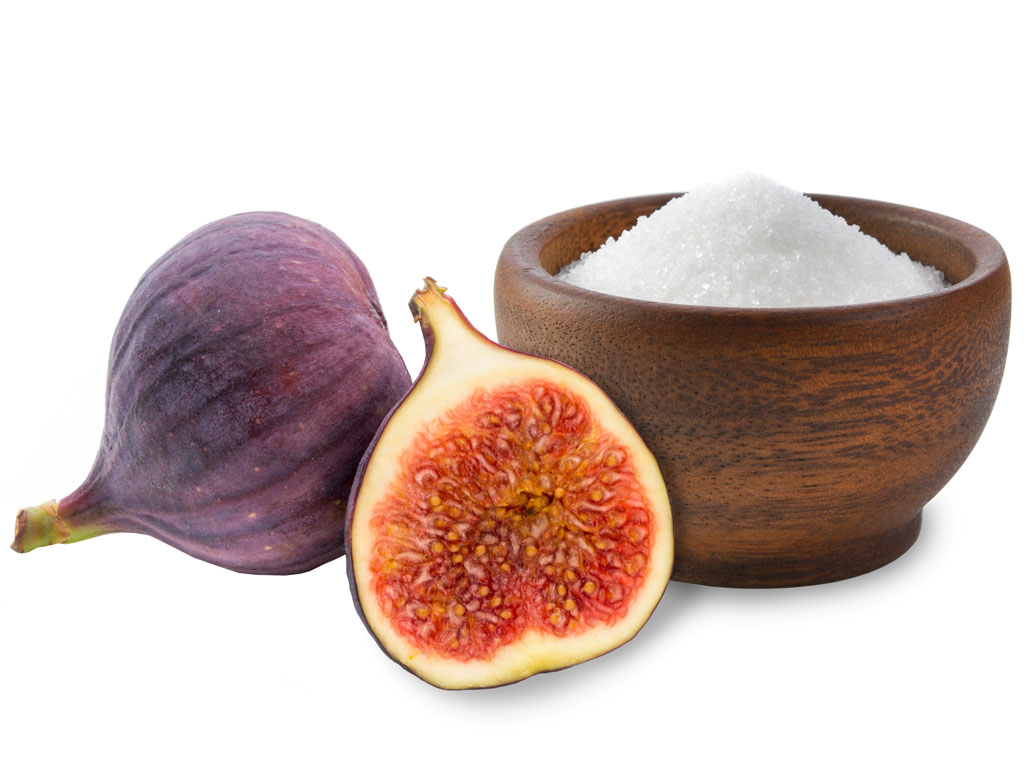
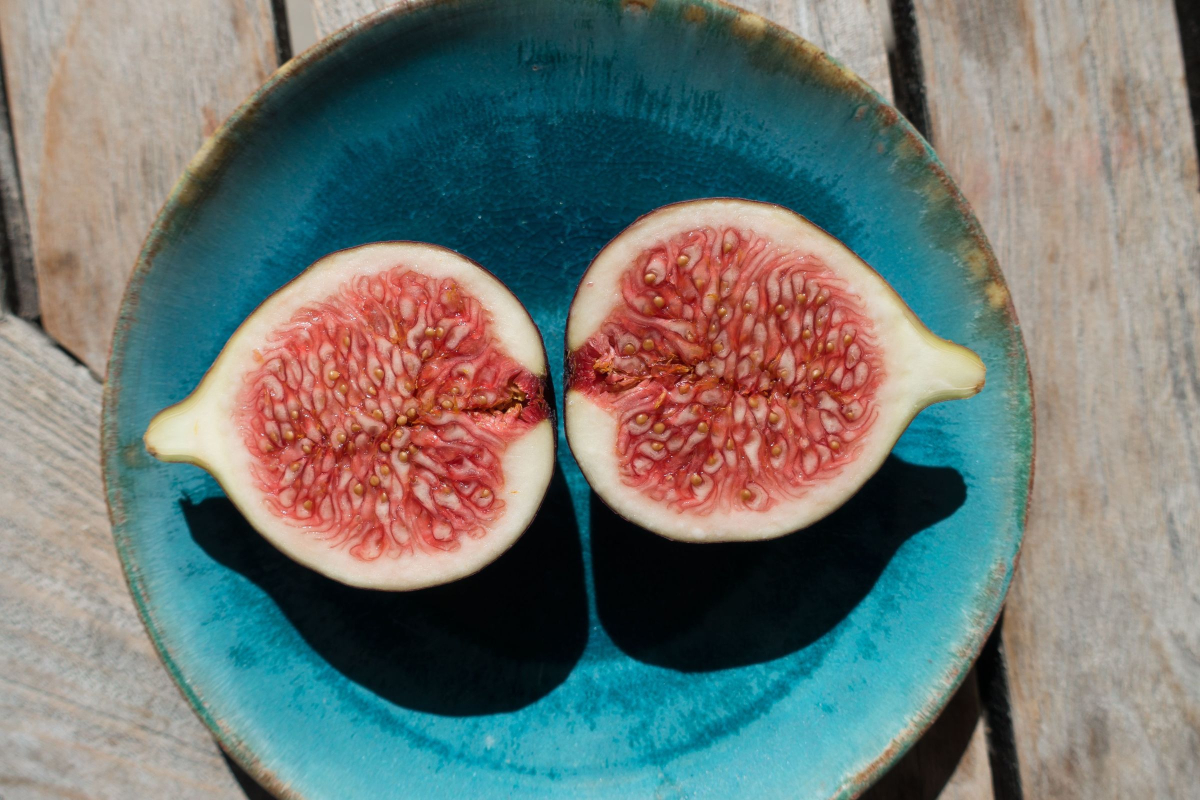
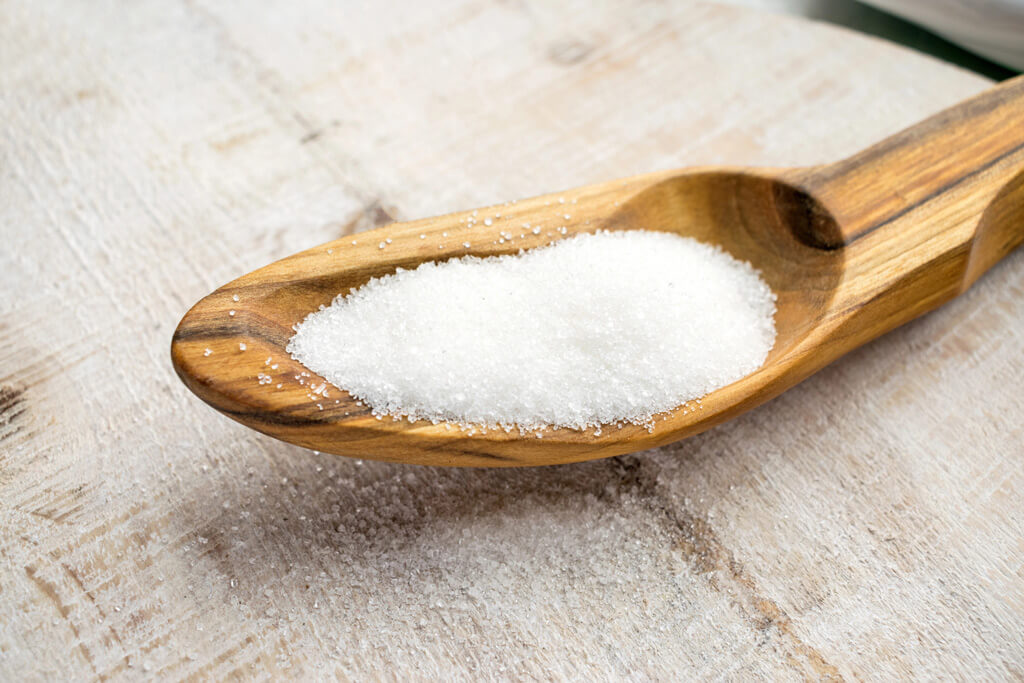
Allulose is sometimes called a rare sugar because it occurs naturally in small amounts in foods such as figs, raisins, and jackfruit.
Although its chemical structure is similar to other sugars, your body handles allulose differently from ordinary table sugar. Much of the allulose you consume is absorbed and then eliminated without being used for energy in the same way as regular sugar.
This gives allulose some distinctive characteristics:
- About 90% fewer calories than regular sugar: Allulose provides approximately 0.4 calories per gram, compared with 4 calories per gram for sugar.
- Minimal direct blood sugar impact: Studies generally find that allulose has little effect on blood glucose when consumed on its own.
- Sugar-like texture: Granulated allulose provides bulk, helping it work in recipes where a tiny amount of concentrated sweetener wouldn’t be enough.
- Versatile in the kitchen: Allulose can dissolve, brown, and help create texture in desserts, sauces, and baked goods.
It’s also worth noting that allulose is not a sugar alcohol. It’s a different type of sweetener with its own properties.
Is Allulose Really Zero Calories?
You’ll sometimes see allulose marketed as a zero-calorie sweetener, but technically it isn’t entirely calorie-free.
The FDA permits manufacturers, under its labeling guidance, to use a value of approximately 0.4 calories per gram when calculating calories from allulose. That makes it about 90% lower in calories than regular sugar.
Because nutrition labels apply rounding rules, an individual serving may still display zero calories.
What Is Sucralose?
Sucralose is an artificial sweetener made by modifying the structure of sucrose, or regular table sugar.
It’s approximately 600 times sweeter than sugar, which means only a very small amount is needed to sweeten food or beverages.
Pure sucralose contributes essentially no calories and is used in many low-calorie beverages, packaged foods, and sugar-free products.
However, pure sucralose isn’t quite the same as the Splenda product you find in the grocery store.
What Ingredients Are in Original Splenda?
Splenda Original packets contain sucralose along with ingredients such as dextrose and maltodextrin. These ingredients provide bulk, making it easier to measure and distribute such a concentrated sweetener.
The granulated version also contains maltodextrin to create a sugar-like measuring experience.
That’s why it’s important to check the specific Splenda product rather than assuming every product from the brand has identical ingredients, carbohydrates, or baking characteristics.
Does Splenda Make Allulose?
Yes! Splenda also offers allulose-based sweeteners.
Splenda Allulose products are separate from Splenda Original and do not contain sucralose. Some are blended with additional sweetening ingredients to make them measure more like regular sugar.
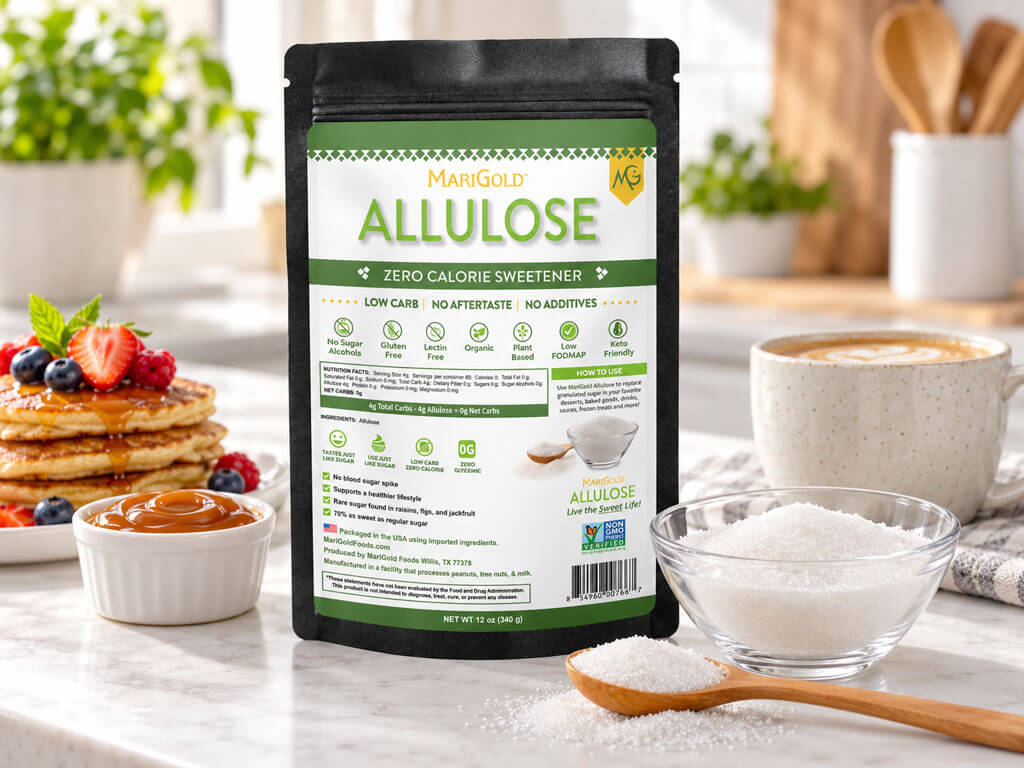
If you’re specifically looking for pure allulose, check the ingredients list. MariGold Allulose contains just one ingredient: allulose.
Allulose vs. Splenda for Baking: Which Works Better?
This is where the differences become especially noticeable.
When you’re sweetening coffee or tea, you may care most about taste and calories. But baking introduces another challenge: sugar does more than make food sweet.
It also helps provide moisture, volume, browning, and texture. Removing sugar can change how cookies spread, how cakes rise, and how sauces thicken.
Why Allulose Can Be a Great Baking Alternative
Because allulose has physical properties similar to sugar, it can be particularly useful when you need more than sweetness.
Allulose can:
- Dissolve into hot or cold beverages and mixtures.
- Help create soft, moist textures in certain baked goods.
- Brown when heated, making it useful for caramel-style sauces and toppings.
- Provide bulk in recipes where sugar contributes to the finished structure.
Allulose does have a few differences from regular sugar, though. It can brown more quickly, and it’s only about 70% as sweet. Recipes may need adjustments to temperature, baking time, or sweetener quantity.
What About Baking with Sucralose?
Sucralose-based products can work in certain baked goods, especially when they’re specifically formulated for baking.
However, pure sucralose doesn’t provide the same volume or texture as sugar. Commercial baking blends compensate by including additional ingredients.
There has also been research into the chemical stability of sucralose under high-temperature conditions. The results depend on temperature, heating duration, and the food mixture, so it’s best to follow the manufacturer’s directions for the specific product rather than treating every sucralose sweetener as interchangeable.
Can You Substitute Allulose for Sugar 1:1?
You can often begin experimenting with allulose as a granulated sugar substitute, but the sweetness won’t be identical.
For reference, one cup of allulose generally delivers about 70% of the sweetness of one cup of sugar. Some recipes compensate by using more allulose, while others work beautifully with a slightly less-sweet result.
Start with a recipe developed for allulose whenever possible, especially when making delicate baked goods or caramel-style sauces.
Allulose vs. Sucralose for Blood Sugar and Weight Management
Both sweeteners are popular among people trying to reduce their sugar intake, but it’s important to distinguish their established properties from emerging research.
Blood Sugar Response
Allulose generally produces little direct increase in blood glucose, and some small studies have examined whether it may influence the blood sugar response when consumed alongside carbohydrates.
Sucralose also generally has little direct effect on blood glucose when consumed alone. However, responses can vary depending on the person, the formulation, and what else is consumed.
Neither sweetener should be considered a treatment for diabetes, and people managing blood sugar should consider the complete nutritional content of their food or beverage.
Weight Management
Replacing added sugar with lower-calorie sweeteners can reduce the calorie content of a recipe or beverage.
But that doesn’t automatically translate into weight loss. Long-term results depend on overall dietary patterns, food intake, and other lifestyle factors.
Early allulose research has explored possible effects on appetite, body composition, and metabolism. These findings are interesting, but larger, longer-term human studies are needed before making broad health claims.
Gut Health and Digestive Tolerance
Both sweeteners have been studied for their potential effects on digestion and the gut microbiome.
Large servings of allulose can cause gastrointestinal symptoms such as bloating, abdominal discomfort, or diarrhea in some individuals. Starting with a smaller amount is a sensible approach if you’re trying it for the first time.
Research on sucralose and gut microbiota has produced mixed findings. Laboratory, animal, and human studies don’t always agree, and more research is needed to understand the clinical significance.
Which Sweetener Should You Choose?
It really depends on how you plan to use it.
Allulose may be a better fit if you:
- Want a sweetener with a texture closer to regular sugar.
- Enjoy baking or making homemade desserts.
- Want sweetness without using a high-intensity artificial sweetener.
- Prefer a single-ingredient granulated sweetener.
- Are interested in making low-sugar caramel sauces, glazes, or frozen treats.
Sucralose-based Splenda may be convenient if you:
- Want a highly concentrated sweetener for coffee or tea.
- Prefer individual packets for convenience.
- Already enjoy the taste of sucralose.
- Use a specifically formulated sucralose baking blend.
Ultimately, personal taste, ingredient preferences, and cooking needs matter more than declaring one sweetener universally healthier than the other.
Try MariGold Allulose in Your Favorite Recipes
If you love the taste and versatility of sugar but want to cut back on added sugar and calories, MariGold Allulose is worth exploring.
Made with 100% allulose and no additional sweetening ingredients, it’s a simple alternative for everything from your morning coffee to homemade desserts.
Meet MariGold Allulose
Enjoy sugar-like sweetness with approximately 90% fewer calories per gram than regular sugar. Our single-ingredient allulose is easy to incorporate into coffee, baked goods, sauces, and more.
One ingredient. Plenty of delicious possibilities.
Need some inspiration? Try making a creamy allulose caramel sauce to drizzle over pancakes, stir into coffee, or enjoy with your favorite dessert.
Frequently Asked Questions About Allulose and Splenda
Is allulose the same as sucralose?
No. Allulose is a rare sugar that provides approximately 0.4 calories per gram, while sucralose is a highly concentrated artificial sweetener that contributes essentially no calories. They differ in sweetness, chemistry, and cooking properties.
Is Splenda made from allulose?
Splenda Original is made with sucralose, but the Splenda brand also sells separate allulose-based products. Check the product label to determine which sweetener you’re buying.
Is allulose better than sucralose?
Neither is automatically better for everyone. Allulose may be preferable for recipes needing bulk, browning, and sugar-like texture. Sucralose is convenient when only a small amount of intense sweetness is needed. Overall dietary needs and personal preferences should guide your decision.
Can allulose replace Splenda in recipes?
Sometimes, but not in equal amounts. Allulose is much less sweet than pure sucralose, and Splenda products contain different blends. Use a recipe or conversion guide designed for the particular sweeteners you’re substituting.
Does allulose taste like sugar?
Allulose has a mild, sugar-like sweetness and generally lacks the intense sweetness of sucralose. However, it’s only about 70% as sweet as regular sugar, so recipes may taste less sweet if you replace sugar with the same quantity of pure allulose.
Does allulose raise blood sugar?
Allulose generally has little direct effect on blood glucose levels. However, foods made with allulose may contain other carbohydrates that affect blood sugar, so the complete recipe or nutrition label matters.
The Bottom Line: Allulose vs. Splenda
Allulose and Splenda Original can both help you reduce added sugar, but they’re far from identical.
Sucralose offers intense sweetness in tiny amounts, while allulose provides a more sugar-like texture with significantly fewer calories than regular sugar.
If you mainly want to sweeten a beverage, either may suit your preferences. But if you enjoy baking, experimenting with dessert recipes, or making homemade sauces, allulose offers some practical advantages worth trying.
And if you’re looking for an uncomplicated ingredient list, MariGold Allulose delivers sweetness with just one ingredient.
Sources & Further Reading
- FDA: Declaration of Allulose and Calories from Allulose on Nutrition Facts Labels
- FDA: Sugars That Are Metabolized Differently Than Traditional Sugars
- Splenda: Original Sweetener Ingredients
- Splenda: Allulose Sweeteners FAQ
Disclaimer: This article is for general informational purposes only and is not intended as medical advice. Individual responses to sweeteners can vary. Consult a qualified healthcare professional for personalized dietary guidance.
Satisfy Your Sweet Tooth the Healthy Way with
Our Allulose-Sweetened Treats!

If you’re looking for guilt-free indulgences that satisfy your cravings without derailing your health goals, our allulose-sweetened Fat Bombs and Vanilla Protein Coffees are the perfect solution. Thanks to the power of allulose, you can enjoy rich, decadent flavors while taking advantage of this rare sugar’s unique metabolic benefits.
Our Keto-Friendly Fat Bombs
These lusciously creamy Fat Bombs are crafted with only the finest ingredients like organic grass-fed ghee, organic coconut oil, cocoa butter, and collagen peptides. We use allulose to provide just the right amount of sweetness.
Unlike traditional sugars that can spike blood glucose and promote fat storage, allulose has been shown to actually increase fat oxidation after meals. That means your body may burn more fat for fuel when you indulge in one of our Fat Bombs! Plus, allulose does not impact insulin levels like regular sugar.
With their perfect balance of healthy fats and light sweetness from allulose, our Fat Bombs are the ultimate keto-friendly treat that can help curb cravings and keep your body in fat-burning mode.
Energizing Vanilla Protein Coffees
Start your day with a delicious protein-packed pick-me-up, sweetened naturally with allulose. Our Vanilla Protein Coffees contain either Collagen Peptides or Whey Protein Isolate to help you meet your protein needs.
We lightly sweeten these energizing beverages with allulose. By using allulose, we’re able to create a smooth, indulgent Vanilla Protein Coffee that’s free of refined sugars and artificial junk. It’s a sweet way to power through your morning while supporting your fitness goals!