If it feels like certain food ingredients are suddenly under scrutiny again, you’re not imagining it. From artificial dyes to industrial seed oils, long-ignored concerns are resurfacing – this time backed by updated research, regulatory reviews, and shifting consumer demand.
This isn’t about fear-mongering or jumping on the latest food trend. It’s about understanding why these conversations are happening now – and how to navigate them without feeling overwhelmed.
Why Are Certain Ingredients Being Revisited Now?
Several things are converging at once:
- New long-term and mechanistic studies
- Pressure from consumer advocacy groups
- Updated toxicology reviews
- A growing focus on metabolic health rather than calorie counting
What’s changing isn’t just policy – it’s how we evaluate risk over time.
Red Dye No. 3 – Why It’s Back in the Spotlight
Red Dye No. 3 has been linked in animal studies to thyroid disruption and tumor formation at high doses. While it’s already restricted in cosmetics, it has remained in parts of the food supply.
Recent advocacy and regulatory pressure aren’t based on new panic – but on a reassessment of older data through a modern lens of cumulative exposure and vulnerable populations (especially children).
What matters: This isn’t about one candy. It’s about long-term, repeated intake.
Seed Oils – From “Heart Healthy” to Heavily Questioned
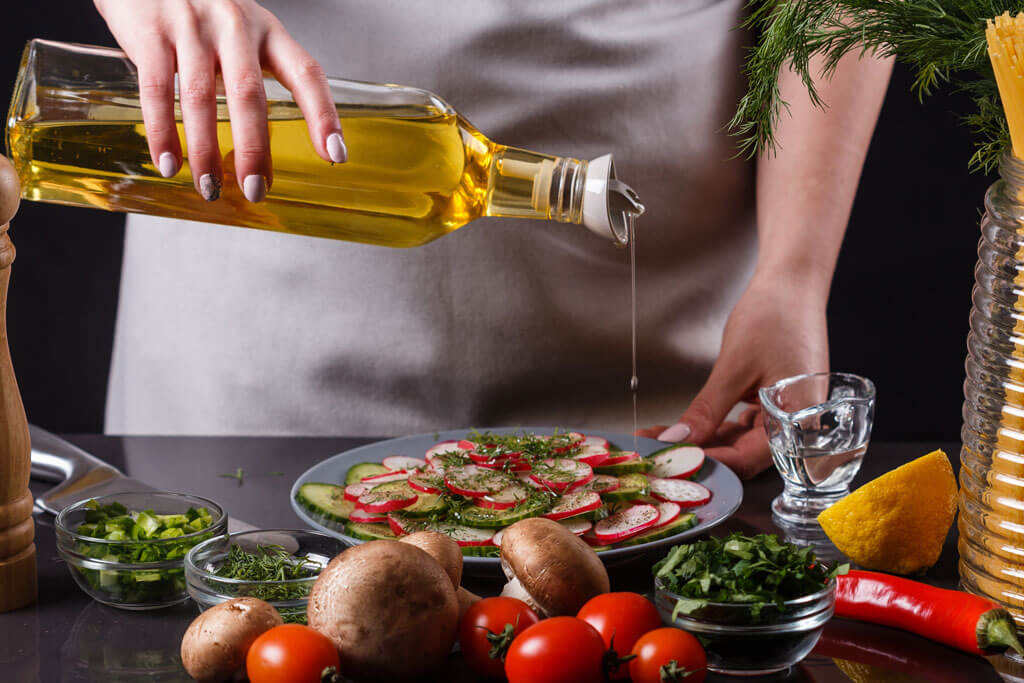
Industrial seed oils were once promoted as a replacement for saturated fats. Newer research, however, suggests excessive omega-6 intake without balance may contribute to inflammation and metabolic dysfunction.
The nuance matters here:
Seed oils aren’t poison – but their dominance in ultra-processed foods is raising valid concerns.
What matters: Frequency and context, not perfection.
Other Ingredients Facing Increased Scrutiny
- Artificial colors and preservatives
- Emulsifiers linked to gut barrier disruption
- Highly refined sweeteners with metabolic effects
The trend isn’t elimination – it’s reevaluation.
The Practical Takeaway (This Is the Part That Matters)
You don’t need to overhaul your life or memorize ingredient lists.
Start here:
- Reduce daily exposure to artificial colors
- Prioritize foods with simple fat sources
- Focus on protein, fiber, and stable blood sugar
Small shifts, repeated consistently, matter more than reacting to every headline.
What This Looks Like in Real Life (Simple Swaps That Add Up)
You don’t need a perfect pantry or a total reset. Most progress happens through small, familiar swaps you repeat often.
Here are a few real-world examples:
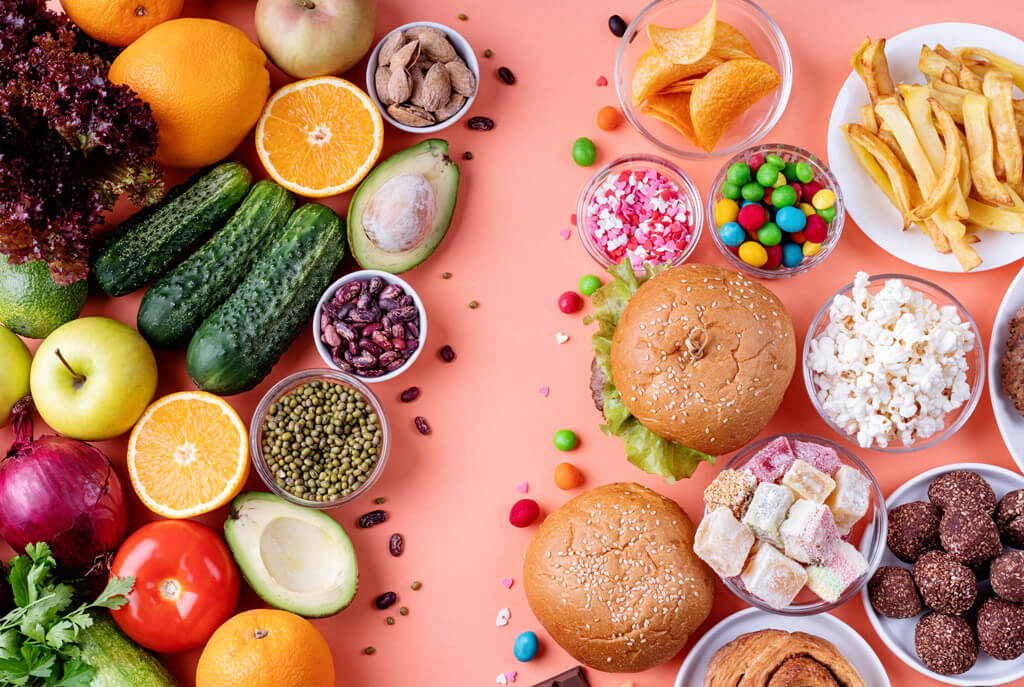
1. Instead of brightly colored snacks or candies
Try: fruit with nut butter, yogurt with berries, or a protein-forward snack that doesn’t rely on artificial dyes.
2. Instead of ultra-processed foods cooked in industrial seed oils every day
Try: meals made with simpler fats like olive oil, butter, or avocado oil when you’re cooking at home.
3. Instead of a carb-heavy breakfast that leaves you hungry an hour later
Try: adding protein and fiber — eggs with vegetables, Greek yogurt with fruit, or coffee blended with protein.
4. Instead of cutting out foods entirely
Try: reducing frequency. Daily exposure matters more than the occasional treat.
None of these changes need to be perfect to be effective. The goal isn’t avoidance – it’s balance, awareness, and consistency.
The “Don’t Stress About This” Reminder
No single ingredient determines your health.
Progress happens through patterns, not perfection. Awareness is helpful. Obsession isn’t.
That’s the heart of The Food Shift.
This series exists to help you stay informed – without fear, guilt, or extremes. We’ll continue breaking down food studies and policy shifts in ways that actually make sense for real life.
Want an Easier Way to Make Smarter Food Choices?
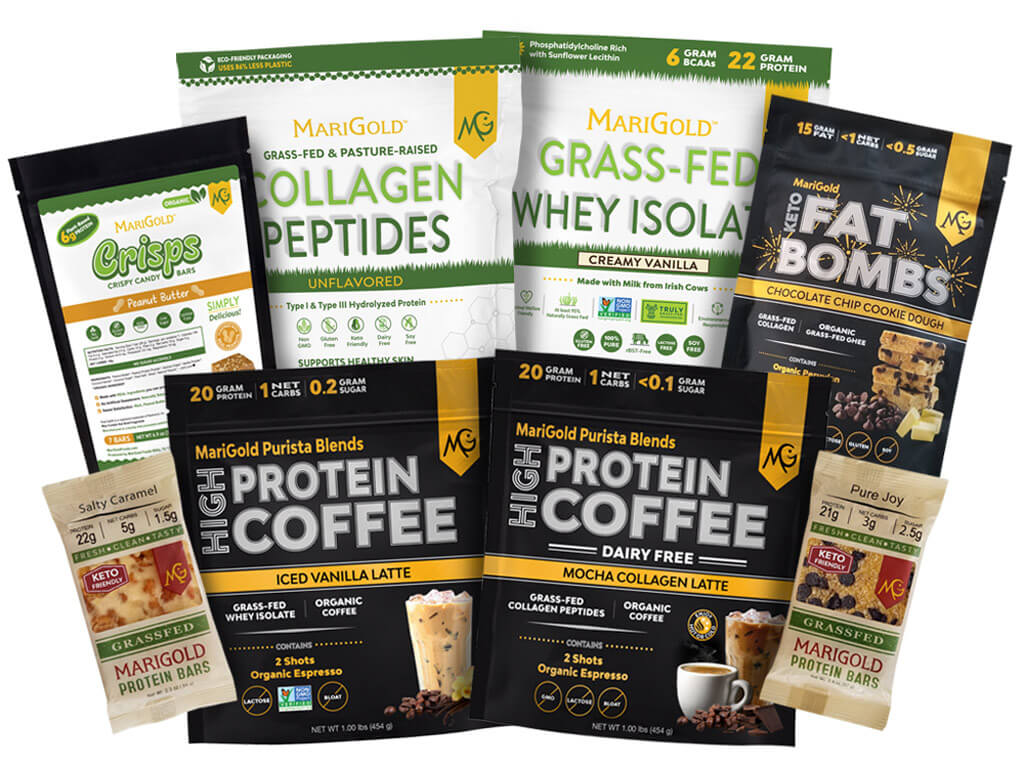
When food ingredients feel confusing, focusing on what you add in can matter more than what you try to avoid.
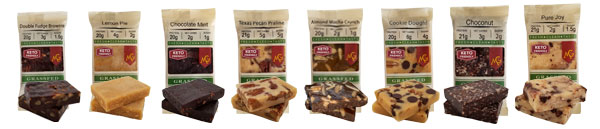
MariGold products are made with simple, thoughtfully sourced ingredients — including grass-fed collagen peptides and whey isolate — designed to support protein intake, stable blood sugar, and everyday nutrition without unnecessary additives.
Whether you’re building a balanced breakfast, a smarter snack, or a protein-rich coffee, MariGold helps take some of the guesswork out of modern food choices.