

Why High Whey Prices Reveal a Bigger Problem in the Food Supply
Protein is everywhere right now.
From shakes and bars to chips, cereals, and coffee creamers, protein has become one of the most sought-after nutrients in the modern diet. And at the center of that demand sits whey protein – long valued for its amino acid profile, digestibility, and versatility.
But behind today’s record whey prices is a much bigger story – one that has less to do with fitness trends and far more to do with how food systems, policy, and pricing formulas actually work.
This article is part of The Food Shift, a MariGold series exploring the forces shaping how food is produced, priced, and prioritized – often in ways consumers never see.
Why Whey Prices Are So High Right Now
There’s no question that whey protein demand is strong. Sports nutrition, medical nutrition, aging populations, and even GLP-1 users trying to preserve muscle mass have all contributed to record interest in high-protein products.
But demand alone doesn’t explain what’s happening.
Whey protein isolate and concentrate have reached historically high wholesale prices, while even ordinary dried whey – a less processed form – has climbed close to 10-year record levels. What’s driving that surge is a mix of scarcity, consolidation, and policy mechanics inside the dairy industry.
Whey Isn’t a “Basic” Dairy Product Anymore
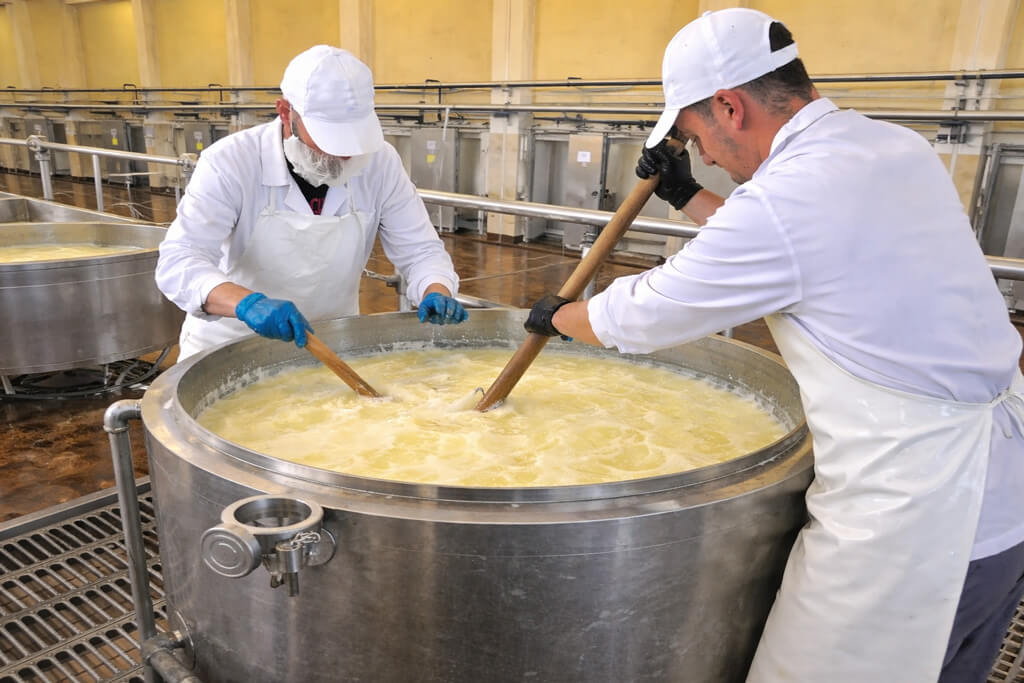
Whey used to be considered a byproduct of cheesemaking. Today, it’s a value-added ingredient that requires:
- Large production volumes
- Expensive drying and filtration infrastructure
- Significant capital investment
Only large, vertically integrated processors can realistically produce dried whey at scale. Smaller and mid-sized cheesemakers often sell liquid, unprocessed whey for pennies – or even incur costs to dispose of it.
And yet, they’re still affected by whey’s rising value.
The Role of Federal Milk Pricing
Here’s where the system gets complicated.
In the U.S., minimum milk prices paid to dairy farmers are set using federal milk marketing orders. For cheese milk (Class III), those pricing formulas rely heavily on the wholesale price of dried whey to determine the value of milk solids.
That creates a mismatch.
Most cheesemakers don’t produce dried whey – but they’re forced to pay farmers as if they do.
As dried whey prices rise, milk costs rise with them, even when cheesemakers are selling liquid whey for a fraction of that value. For many smaller producers, this results in built-in losses year after year, regardless of efficiency or quality.
Why This Creates Instability
When whey prices climb:
- Smaller cheesemakers face unavoidable red ink
- Many “depool” from federal pricing systems to avoid losses
- Supply chains become unpredictable
- Market power concentrates further among large processors
This instability doesn’t just affect cheese producers – it ripples outward into ingredient pricing, sourcing transparency, and long-term availability for brands relying on high-quality dairy inputs.
In other words, whey’s success is straining the very system that supports it.
What This Means for Protein Conversations
None of this makes whey protein “bad.” It remains a powerful, effective source of nutrition.
But it does highlight an important shift: protein markets are no longer shaped by nutrition science alone. They’re influenced by infrastructure, policy, capital access, and pricing formulas that most consumers never see.
Understanding that context matters – especially as protein continues to dominate nutrition headlines.
Why This Matters to The Food Shift
At MariGold, we’re not here to take sides in industry debates. But we are interested in helping people understand how food systems actually work – and how those systems affect what shows up on shelves, how products are priced, and which ingredients are easiest to scale responsibly.
The whey market is a clear example of how good intentions, strong demand, and outdated structures can collide.
And it’s exactly the kind of conversation worth having.
Join the Conversation
Did this change how you think about protein pricing?
Should food policy better reflect how products are actually made?
What role do transparency and sourcing play in your food choices?
You’re invited to share your thoughts in the comments below — or reach out directly. This is a conversation, not a conclusion.
Source:
This article references reporting from Cheese Reporter:
“The Downside of High Whey Protein Values” (Nov 26, 2025)





I’m a firm believer that “one size fits all” does not. I learned a long time ago to listen to my body. While I believe in healthy eating habits and that ‘food’ is needed for sustenance I also understand that other factors can play into the whole of which I won’t go into because I learned long ago that changing the way that I look at ‘food’ – my attitude and relationship to and with food – is vitally important. There are ’empty’ foods and there are ‘filling’ foods. And, protein is optimally key in the way the body reacts and responds to being satisfied and the way that it utilizes the food product for nutritional value.