Scroll through social media and you’ll see bold claims like: “Your home is toxic.” “These products are causing cancer.” That framing is dramatic – but it’s not entirely baseless either.
The reality sits in the middle:
- Many everyday products contain compounds that can interact with your endocrine system.
- But risk depends on dose, timing, and cumulative exposure – not single use.
So instead of fear-based advice, let’s walk through what the research actually shows – and where small, strategic changes can matter most.
First, Let’s Talk About Hormones (Because This Part Actually Matters)
You may have seen claims like: “cancer starts with hormone disruption.”
That’s an oversimplification – but it points to something important.
Your endocrine system regulates some of the most critical functions in your body, including:
- Estrogen & testosterone
- Thyroid function
- Blood sugar (insulin)
- Stress response (cortisol)
These systems control everything from metabolism and energy to reproduction, inflammation, and cellular repair.
So Where Do “Endocrine Disruptors” Come In?
Endocrine-disrupting chemicals (EDCs) are compounds that can interfere with these systems in a few key ways:
- Mimicking natural hormones (like estrogen)
- Blocking hormone receptors
- Altering hormone production, transport, or metabolism
What makes this especially interesting is that hormones operate at extremely low concentrations – often parts per trillion or billion.
That means certain compounds can have biological effects even at very low levels.
But Context Is Everything
This is where a lot of online messaging goes off track.
It’s not about one exposure. It’s not about one product.
The real concern is chronic, repeated exposure over time.
That’s where research suggests there may be associations with:
- Metabolic dysfunction
- Fertility challenges
- Thyroid imbalance
- Increased long-term disease risk
Not as a guarantee – but as part of a bigger picture.
Your body is not fragile – but it is responsive. And when small exposures happen daily, across multiple sources, they can begin to add up.

1. Plastic Food Storage & Water Bottles (BPA, BPS, Phthalates)
The science: BPA has been shown to influence insulin signaling, fat cell development, and thyroid hormone activity. BPA alternatives such as BPS and BPF may have similar endocrine activity.
What increases exposure:
- Heat (microwaving, dishwashing)
- Fatty foods, which can absorb more chemicals
- Repeated use and wear
What’s still debated: The clinical significance of low-dose exposure in humans over time.
Practical takeaway: Use glass for hot food and long-term storage, especially for daily use. Switch your daily water bottle to glass or stainless steel.

2. Non-Stick Cookware (PFAS “Forever Chemicals”)
The science: PFAS (per- and polyfluoroalkyl substances) are highly persistent, meaning they don’t break down easily, and they are detectable in blood samples of most populations.
They have been associated in studies with:
- Thyroid disruption
- Altered lipid metabolism
- Immune system changes
Mechanism: PFAS can bind to proteins and interfere with hormone transport and signaling.
Higher-risk scenarios:
- Overheating (above 500°F)
- Scratched or degraded coatings
Practical takeaway: Keep non-stick for low-heat use if you want – but use cast iron or stainless steel for high heat and longevity.
3. Aluminum Foil (High Heat + Acidic Foods)
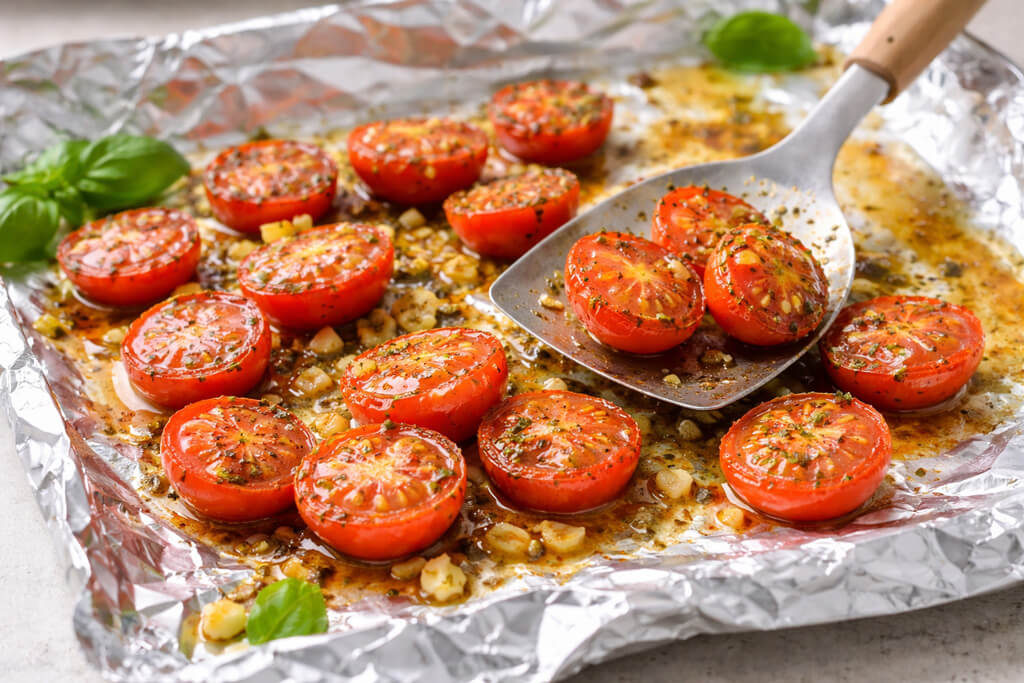
The science: Aluminum can leach into food under certain conditions, especially:
- High heat
- Acidic conditions (like tomatoes or citrus)
The body excretes most dietary aluminum through the kidneys.
What’s being studied: Long-term accumulation and potential links to neurodegenerative disease, though the evidence is still inconclusive.
Practical takeaway: Use alternatives when cooking acidic foods (like parchment paper) at high heat – but there’s no need to eliminate aluminum foil entirely.

4. Cooking Oils & Lipid Oxidation
The science: Polyunsaturated fats (PUFAs) are more chemically unstable. When heated repeatedly, they can form:
- Lipid peroxides
- Aldehydes (like 4-HNE)
These compounds are linked to:
- Oxidative stress
- Cellular damage
- Inflammatory signaling
Important nuance:
- This is primarily a concern in high-heat, repeated-use scenarios like frying.
- It is not the same concern with occasional use or whole-food sources.
Practical takeaway: Use more heat-stable fats like olive oil, butter, or ghee for everyday cooking, and limit foods that rely on repeatedly heated industrial oils.

5. Plastic Cutting Boards & Microplastics
The science: Cutting and wear can release microplastic particles into food. Microplastics have been detected in:
- Blood
- Lung tissue
- Placenta
What’s unclear: Direct cause-and-effect health outcomes in humans.
What’s plausible: Chronic exposure may contribute to inflammation or act as carriers for other chemicals.
Practical takeaway: Switch to wood or bamboo for daily use.

6. Scented Candles & Indoor Air Chemistry
The science: Burning candles can release:
- VOCs (volatile organic compounds)
- Particulate matter
Some fragrances may include phthalates, which are linked to:
- Reproductive hormone disruption
- Developmental effects
Important nuance: Exposure levels vary widely depending on ventilation and frequency.
Practical takeaway: Use candles occasionally, ventilate the space, or opt for simpler formulations such as beeswax or low-fragrance options.

7. Ultra-Processed Foods (The Biggest Lever by Far)
The science: High intake of ultra-processed foods is associated with:
- Increased all-cause mortality
- Metabolic disease
- Chronic inflammation
Mechanisms may include:
- Blood sugar dysregulation
- Additives and emulsifiers affecting gut health
- Oxidized fats and poor nutrient density
Important clarification: Not all ultra-processed foods are carcinogens, but dietary patterns high in them correlate strongly with poor outcomes.
Practical takeaway: This is the highest-impact place to focus.
So What Actually Moves the Needle?
Here’s where the conversation often gets lost:
You don’t need to eliminate everything. You need to prioritize the highest-return changes.
Biggest impact:
- Diet quality
- Protein intake
- Blood sugar stability
Moderate impact:
- Daily-use exposures such as heated plastics and degraded cookware
Lower impact:
- Occasional exposures such as candles, foil, and convenience items
Why Nutrition Is Still the Foundation
Your body isn’t passive – it’s actively:
- Detoxifying compounds through liver pathways
- Repairing cells
- Regulating hormones
These systems rely heavily on:
- Amino acids (glycine, cysteine, and others)
- Adequate protein intake
- Stable blood sugar
This is where tools like collagen peptides, which are rich in glycine, and clean whey isolate, which provides a complete amino acid profile, can support the body’s natural ability to handle everyday exposures.
Not as a shortcut – but as support.
Final Thought
The idea that “everything is toxic” isn’t helpful. But the idea that nothing matters isn’t true either.
Health isn’t built on extremes.
It’s built on:
- Reducing unnecessary exposure where it’s easy
- Supporting your body where it counts most
Small shifts. Repeated daily. That’s what actually adds up.
Build a Stronger Foundation From the Inside Out
Reducing everyday exposures can help—but your body is also constantly working behind the scenes to detoxify, repair, and rebalance.
- Supporting those systems starts with the basics:
- Complete protein for cellular repair
- Collagen (rich in glycine) to support liver and gut health
- Nutrient-dense foods that help maintain stable blood sugar
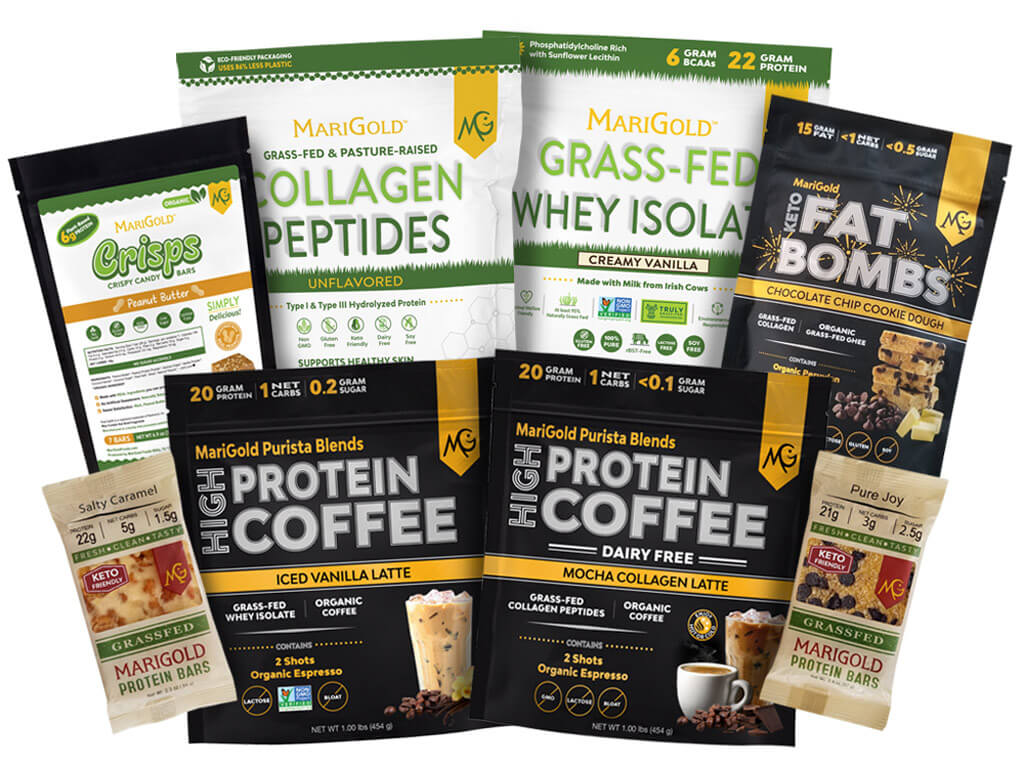
MariGold’s Grass-Fed Collagen Peptides, Whey Isolate Protein and all our other snacks and products are designed to make that easier—clean, simple, and easy to use daily.
Small upgrades add up—and this is one of the simplest places to start.