Chocolate has always started the same way:
a cocoa tree, a harvested pod, and farmers—many of them in West Africa—who’ve cultivated this crop for generations.
But a new idea is gaining traction:
what if chocolate didn’t need a farm at all?
The Rise of Lab-Grown Cocoa
A small number of biotech companies are now experimenting with cell-cultured cocoa—growing cocoa cells in controlled environments instead of traditional farms.
Companies like Celleste Bio and California Cultured are working toward producing cocoa ingredients this way, with early projections suggesting possible commercial applications later this decade.
The idea is being positioned as a response to real challenges:
- climate pressure on cocoa crops
- plant disease and declining yields
- increasing supply volatility
At least on the surface, it sounds like innovation solving a problem.
Why Cocoa Is Under Pressure
Today, roughly 70% of the world’s cocoa comes from Ghana and Côte d’Ivoire.
But the system behind it is complex:
- farmers often earn very little from global chocolate sales
- most cocoa is exported as raw beans
- finished products—and profits—are largely created elsewhere
Add in climate instability and crop disease, and it’s clear why companies are exploring alternatives.
Innovation… or Control?
Large food companies like Mondelēz International—the brand behind products like Oreo and Cadbury—have invested heavily in food innovation in recent years.
While there’s growing speculation around their involvement in alternative cocoa technologies, much of this space is still early and evolving.
But it raises a bigger question:
If cocoa can be produced in a lab, what happens to the farmers and regions that have depended on it for decades?
Haven’t Ingredients Already Been Changing?
In some cases, chocolate products have already shifted away from traditional formulations—incorporating alternative fats alongside cocoa butter in certain markets.
It’s a reminder that food production is always evolving, often in ways most consumers never notice.
So… Is Lab-Grown Chocolate Coming Soon?
Not exactly.
Despite the headlines:
- lab-grown cocoa is still in early development
- large-scale production hasn’t been achieved
- timelines like “2027” are projections, not guarantees
But the direction is worth watching.
The Bigger Question
This isn’t just about chocolate.
It’s about a broader shift happening across the food industry:
- from farms → controlled production environments
- from natural variability → engineered consistency
- from decentralized agriculture → centralized systems
And while innovation can solve real problems, it also raises important questions about:
- transparency
- sourcing
- and what we actually want our food to be
A Thought Worth Sitting With
As food technology evolves, the question isn’t just what we can create…
It’s what we choose to support.
What are your thoughts on this shift?
Is this the kind of innovation you’d welcome — or does it raise more questions than answers?
What About the Chocolate You’re Eating Today?
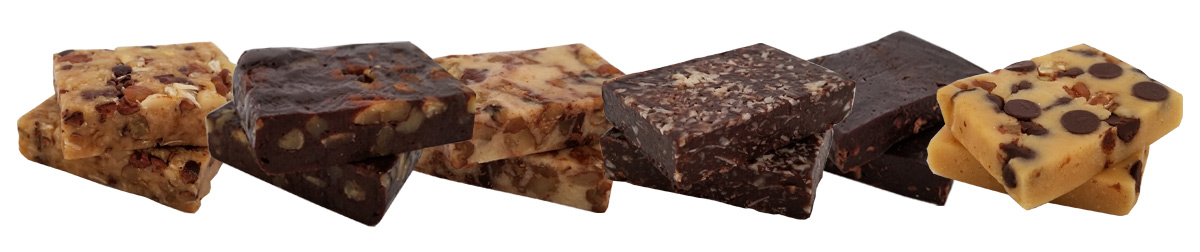
While conversations about lab-grown cocoa are still unfolding, one thing hasn’t changed: how chocolate is sourced — and processed — still matters.
At MariGold, we’ve chosen to take a different approach.
We use organic, fairly traded chocolate that’s sourced with both quality and ethics in mind — supporting real farming communities rather than replacing them.
And when it comes to cocoa itself, we avoid shortcuts.
Many commercial products use alkalized (or “dutched”) cocoa, a process that reduces bitterness—but also strips away much of the naturally occurring flavanols and minerals.
Instead, we use natural cocoa, preserving the compounds that make chocolate more than just a treat:
- antioxidants and flavanols
- compounds linked to cardiovascular support
- improved insulin sensitivity
- and even mood and cognitive benefits
Because when chocolate is done right, it’s not just indulgent — it’s functional.