The overlooked reason muscle loss accelerates with age — even when you think you’re eating healthy
Most people assume muscle loss is just part of aging. You get older. You naturally get weaker. Your metabolism slows down. Recovery takes longer. That’s life, right?
Not exactly.
What many adults over 50 don’t realize is that the “rules” of protein metabolism begin to change with age — and the standard nutrition advice most people follow often fails to account for it.
You may be eating the same amount of protein you’ve always been told is healthy. But your muscles may no longer respond to it the same way they did 20 years ago.
That matters more than most people realize.
Because muscle isn’t just about appearance or athletic performance. Healthy muscle mass is deeply connected to:
- metabolic health
- blood sugar regulation
- balance and mobility
- recovery after illness
- bone protection
- healthy aging overall
And once muscle loss accelerates, it becomes much harder to rebuild than it was in your 20s or 30s.
The Protein Recommendation Most People Know
For decades, the standard protein recommendation has been around:
0.8 grams of protein per kilogram of body weight per day.
That number appears everywhere:
- nutrition labels
- doctor recommendations
- government guidelines
- health articles
But here’s the issue most people never hear about:
That recommendation was largely developed using younger adults.
Not aging adults dealing with changing muscle physiology, slower recovery, lower activity levels, and something researchers now call anabolic resistance.
What Is Anabolic Resistance?
When you eat protein, your body breaks it down into amino acids.
Those amino acids help stimulate a process called muscle protein synthesis — essentially the rebuilding and repair process that helps maintain muscle tissue.
When you’re younger, your muscles respond very efficiently to this signal.
As you age, the response weakens.
Researchers refer to this as anabolic resistance: your muscles become less sensitive to protein intake.
In practical terms? The amount of protein that easily supported muscle maintenance at 30 may not be enough at 60. And this doesn’t just apply to athletes.
It affects:
- active adults
- healthy retirees
- walkers
- gardeners
- busy grandparents
- anyone trying to stay strong and independent as they age
Why Muscle Matters More Than Most People Think
Aging adults often focus heavily on:
- cholesterol
- blood sugar
- blood pressure
- bone density
But muscle may quietly influence all of them.
Healthy muscle tissue plays a major role in:
- glucose disposal and insulin sensitivity
- metabolic flexibility
- stability and fall prevention
- mobility and independence
- recovery after injury or illness
In fact, loss of muscle mass (sarcopenia) has been associated with:
- increased frailty
- reduced resilience
- higher hospitalization risk
- poorer recovery outcomes later in life
And the frustrating part?
Many people losing muscle aren’t necessarily inactive or eating “badly.” They’re simply following outdated protein patterns that no longer work as effectively for aging muscle.
It’s Not Just About Total Protein — Timing Matters Too
One of the biggest mistakes older adults make is concentrating most of their protein at dinner.
A typical day might look like:
- toast or cereal for breakfast
- light lunch
- large protein-heavy dinner
The problem is that muscle protein synthesis appears to work best when protein intake is spread more evenly throughout the day.
Research suggests many older adults benefit from hitting meaningful protein intake at multiple meals — not just one. That means breakfast may matter far more than people think.
Why Protein Quality Matters After 50
Not all proteins stimulate muscle protein synthesis equally. One amino acid in particular — leucine — plays a major role in activating the muscle-building signal.
Whey protein is naturally rich in leucine and is considered one of the most bioavailable protein sources for supporting muscle protein synthesis.
That’s one reason whey isolate has become so popular among:
- active adults
- aging athletes
- adults focused on strength and recovery
- people trying to maintain lean mass while supporting healthy metabolism
Whey isolate also tends to digest quickly and efficiently, which may become increasingly important as digestive efficiency changes with age.
Where Collagen Fits In
Collagen is incredibly valuable for healthy aging — but for different reasons.
Collagen peptides support:
- joints
- connective tissue
- skin
- tendons
- ligaments
- structural integrity
But collagen is not considered a complete protein for muscle protein synthesis because it’s lower in leucine and certain essential amino acids.
That’s why many experts now view collagen and whey as complementary rather than competing proteins.
A smart aging strategy may include:
- collagen for structural support and recovery
- whey isolate for muscle maintenance and anabolic signaling
Together, they support different aspects of healthy aging.
Why Recovery Feels Different With Age
Many adults notice this before they ever notice visible muscle loss.
- You recover slower.
- You feel more fatigued after physical activity.
- Simple tasks feel more taxing than they used to.
That doesn’t necessarily mean something is “wrong.”
But it may be a sign your body needs:
- higher-quality protein
- more consistent protein distribution
- resistance training stimulus
- better recovery support
Muscle is highly responsive tissue — even later in life. But aging muscle often requires a stronger signal.
Resistance Training Becomes More Important — Not Less
One of the biggest myths about aging is that adults should avoid strength training. In reality, resistance exercise becomes more important with age.
Why?
Because exercise helps “sensitize” muscle to protein.
Even simple resistance work like:
- bodyweight squats
- resistance bands
- carrying groceries
- walking hills
- sit-to-stand exercises
…can help stimulate the muscle-building response when paired with adequate protein intake.
You do not need to train like a bodybuilder. But your muscles do need a reason to stay.
Practical Ways to Support Muscle After 50
You don’t need perfection. Small changes can make a meaningful difference over time.
Prioritize Protein Earlier in the Day
Many breakfasts are extremely low in protein.
Consider adding:
- eggs
- Greek yogurt
- cottage cheese
- whey isolate smoothies
- collagen coffee paired with additional complete protein
Focus on Protein Quality
Protein quality and amino acid profile matter more as you age.
Whey isolate is especially valuable because it:
- contains all essential amino acids
- is naturally rich in leucine
- digests efficiently
- supports muscle protein synthesis
Pair Protein With Movement
Even light resistance exercise can improve how muscles respond to protein intake.
Don’t Ignore Recovery
Sleep, stress, inactivity, and under-eating can all accelerate muscle loss over time.
Healthy Aging Isn’t Just About Living Longer
It’s about staying capable.
Being able to:
- get off the floor easily
- carry groceries
- travel comfortably
- maintain independence
- recover from setbacks
- stay active doing the things you enjoy
Muscle is deeply connected to all of it.
And while aging changes the rules somewhat, it doesn’t mean decline is inevitable.
Often, it simply means your body needs a different strategy than it did 20 years ago.
Support Healthy Aging With Smarter Protein
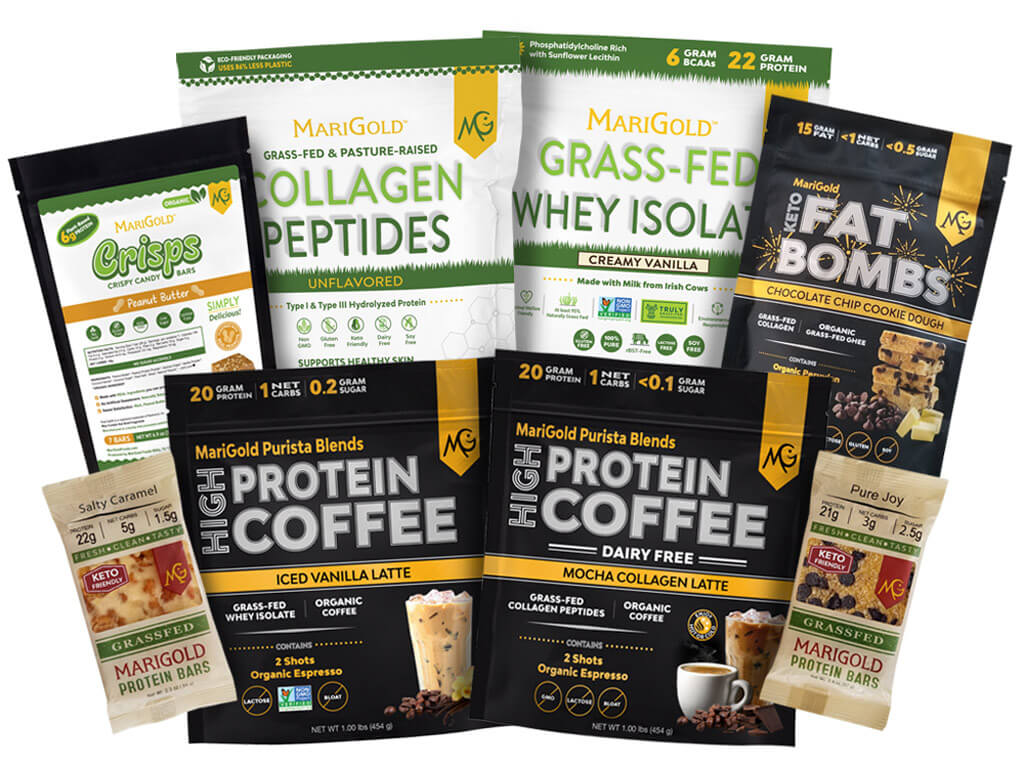
At MariGold Foods, we focus on clean, functional proteins designed to support real-life wellness goals.
Our grass-fed whey isolate provides high-quality complete protein with naturally occurring leucine to help support muscle maintenance, recovery, and metabolic health.
Our grass-fed collagen peptides support joints, connective tissue, and structural wellness — making them an ideal complement to an active aging lifestyle.
All of our products are:
- Gluten-Free
- Non-GMO
- Soy-Free
- Seed Oil Free
- Free from sugar alcohols
Because healthy aging should support strength, energy, and resilience — not just longevity.