

Allulose has become a popular alternative to traditional sugar, showing up in everything from protein powders and bars to low-sugar desserts. But despite its name, allulose is not the same as sucrose, fructose, sucralose, or a sugar alcohol.
So what exactly is allulose, how does the body handle it, and what does current research say about its potential benefits?
What Is Allulose?
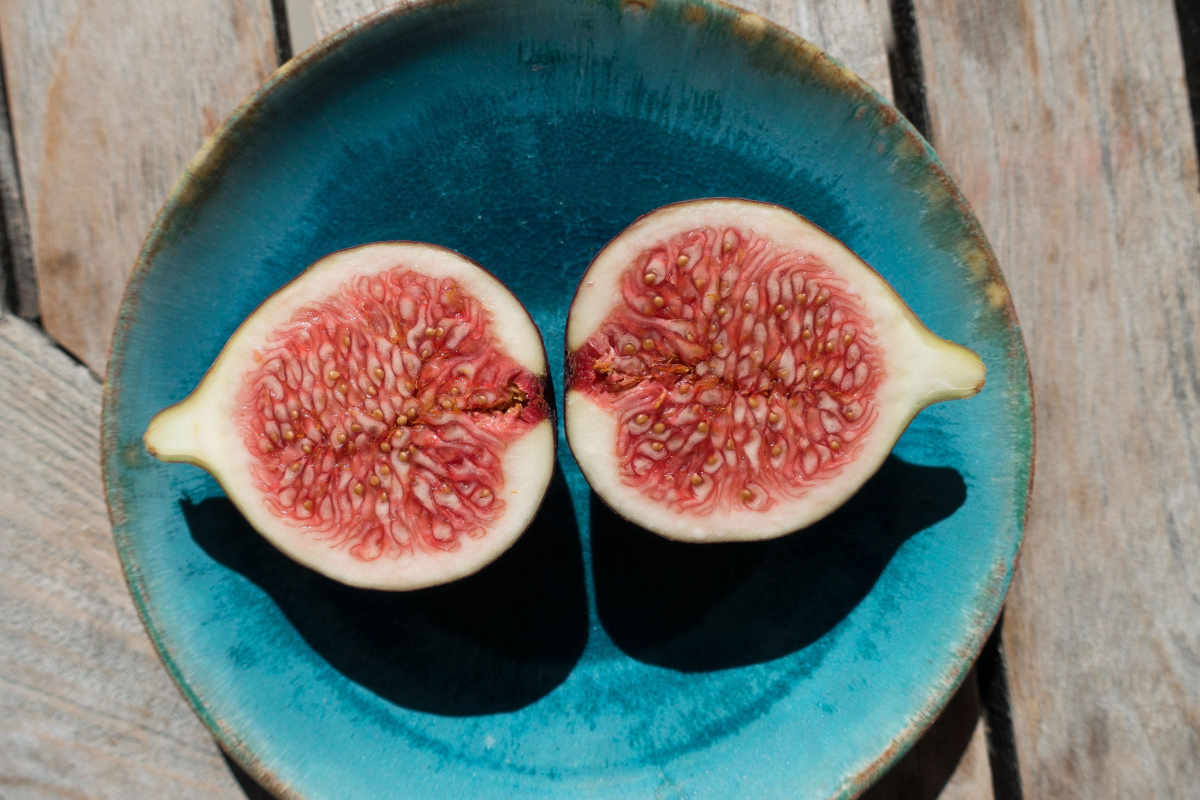
Allulose is a naturally occurring “rare sugar” found in small amounts in foods such as figs, raisins, wheat, brown sugar, and molasses.
Chemically, allulose is a sugar, but the body metabolizes it very differently from traditional sugars such as sucrose, or table sugar. That difference is what makes allulose especially interesting as a lower-sugar sweetening option.
Allulose is about 70% as sweet as regular sugar and behaves much more like sugar in recipes than many high-intensity sweeteners. It can add sweetness, browning, and texture without contributing the same calorie or blood-sugar load as traditional sugar.
Is Allulose a Sugar Alcohol or Artificial Sweetener?
No.
Allulose is sometimes confused with sugar alcohols such as erythritol, xylitol, maltitol, and sorbitol, but it belongs to a different category.
It is also different from artificial or high-intensity sweeteners such as sucralose and aspartame.
Allulose is a monosaccharide—a type of simple sugar—but the body absorbs and processes it differently from familiar sugars such as glucose or fructose.
The FDA specifically recognizes allulose as a sugar that is metabolized differently from traditional sugars. Under current FDA guidance, allulose still counts toward Total Carbohydrate on the Nutrition Facts label, but manufacturers may exclude it from Total Sugars and Added Sugars and calculate it at approximately 0.4 calories per gram rather than the 4 calories per gram used for traditional sugar.
How Many Calories Does Allulose Have?
Very few.
Traditional sugar provides about 4 calories per gram. The FDA allows manufacturers to calculate allulose at approximately 0.4 calories per gram—about one-tenth as much.
The reason is that much of the allulose you consume is absorbed but not metabolized for energy in the same way as traditional sugar. A large portion is excreted unchanged.
That makes allulose useful in lower-sugar and lower-calorie foods where manufacturers still want some of the taste and functional properties of real sugar.
Does Allulose Raise Blood Sugar?
Allulose has very little effect on blood glucose compared with traditional sugar.
In fact, recent human research suggests it may do more than simply avoid a glucose spike.
A 2026 systematic review and meta-analysis of controlled human trials found that allulose significantly reduced post-meal glucose and insulin responses. The review included 12 allulose trials and found moderate-certainty evidence for improvements in postprandial glucose and insulin, although it did not find consistent effects on fasting glucose, HbA1c, cholesterol, or body composition.
A separate 2024 meta-analysis in people with type 2 diabetes also found evidence that allulose may improve post-meal blood glucose.
This makes allulose especially interesting for people who are trying to reduce added sugar or manage the blood-sugar impact of sweet foods.
What Are the Potential Benefits of Allulose?
The strongest current evidence supports a few practical benefits.
1. Much Lower in Calories Than Sugar
Allulose provides approximately 0.4 calories per gram compared with about 4 calories per gram for sucrose.
That means it can provide sweetness while contributing substantially fewer calories.
2. Minimal Impact on Blood Glucose
Because the body handles allulose differently from traditional sugar, it does not produce the same rise in blood glucose.
Human trials also suggest that consuming allulose with a meal may help reduce the post-meal glucose response.
3. May Reduce the Post-Meal Insulin Response
Recent controlled human trials have also found reductions in postprandial insulin response.
That does not mean allulose is a treatment for diabetes, but it does make it an interesting sugar substitute for people looking to reduce the metabolic impact of sweetened foods.
4. Can Behave More Like Sugar in Recipes
One reason allulose has become popular in low-sugar foods is practical: it behaves more like traditional sugar than many other sweeteners.
It can help with browning, moisture, texture, and mouthfeel, which can make lower-sugar baked goods, bars, frozen desserts, and protein products taste and feel more familiar.
What About Allulose and GLP-1?
Allulose has also attracted attention for its potential effect on gut hormones involved in appetite and blood-sugar regulation, including GLP-1.
Early research suggests allulose may influence GLP-1 and other metabolic signaling pathways after a meal. This is an interesting area of research, but it is still developing and should not be interpreted to mean that allulose acts like a GLP-1 medication.
For a deeper look at that research, see our article on allulose and GLP-1.
Is Allulose Easy to Digest?
For many people, yes—especially at moderate amounts.
Allulose is poorly fermented in the gut compared with many sugar alcohols, which may help explain why some people find it easier to tolerate than sweeteners such as maltitol or sorbitol.
That said, digestive tolerance is still dose-dependent.
Higher amounts of allulose can cause gastrointestinal symptoms such as bloating, gas, or loose stools in some people. Recent human tolerance studies generally found allulose to be well tolerated, although mild gastrointestinal symptoms can occur, particularly at higher intakes.
As with any sweetener, individual tolerance matters.
Is Allulose Safe?
Current human research supports the safety of allulose at typical food-use amounts.
The FDA has reviewed evidence related to its metabolism, caloric value, glycemic effects, and other characteristics and permits its use in foods under current regulatory guidance.
More recent randomized human studies have also generally found allulose to be well tolerated, although researchers continue to study its long-term metabolic effects and optimal intake levels.
What Should You Look for When Buying Allulose?
Most commercially available allulose is produced from plant-based carbohydrate sources.
If ingredient sourcing matters to you, look for brands that clearly identify whether the allulose is made from non-GMO ingredients.
MariGold uses non-GMO allulose in select products as part of our approach to creating lower-sugar foods without relying on sugar alcohols or artificial sweeteners.
The Bottom Line
Allulose is a naturally occurring rare sugar that looks and behaves much more like traditional sugar than many alternative sweeteners—but the body handles it very differently.
It provides only a fraction of the calories of sugar, has very little effect on blood glucose, and recent human research suggests it may also reduce post-meal glucose and insulin responses.
It is not a sugar alcohol, and it is not an artificial sweetener.
For people looking to reduce added sugar while still enjoying foods that taste and perform more like traditionally sweetened versions, allulose offers a particularly interesting option.
Research is continuing, especially around its effects on appetite hormones, glucose regulation, and long-term metabolic health—but the evidence we have today is considerably stronger than it was when allulose first began appearing in low-sugar foods.
Sources & Further Reading
- U.S. Food & Drug Administration: Sugars That Are Metabolized Differently Than Traditional Sugars
- U.S. Food & Drug Administration: Declaration of Allulose and Calories from Allulose on Nutrition and Supplement Facts Labels
- Systematic Review and Meta-Analysis of Controlled Human Trials on Allulose and Metabolic Health
- Meta-Analysis of Allulose and Glycemic Control in People With Type 2 Diabetes
- Human Study on Gastrointestinal Tolerance and Safety of Allulose
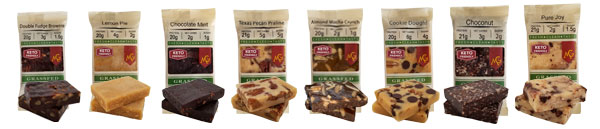





Not quite certain how many ‘brownies’ in the $11.98 bag of Fat Bombs. New to your site; are the Fat Bombs less chewy than the other bars, and is there a lemon Fat Bomb? Thank you very much …
Hello Elizabeth, there are 5 fat bombs in a pack. And, yes, we do have a lemon coconut fat bomb. You can read all about our 6 flavors of fat bombs here: MariGold Fat Bombs
I have an allergy to corn. Do products using allulose state whether it is from corn or not?
Yes, it comes from non-gmo corn. However, allulose does not contain corn protein which is the common allergen in corn.
I have the same corn allergy reaction to allulose that I have to order corn products. I don’t think they get rid of all the corn protein
Glad you are developing some products with this. One word of caution. The other products I have tasted using allulose were actually too sweet. Please don’t over sugar it!
Keep up the great work!
Brian
I agree with you Brian. I actually made a cake today for my hubby’s birthday, and got it too sweet. But, I think we got it right on the fat bombs 🙂 . Let me know what you think.
Thanks for the input.
Mari Ann
Did you ever receive word about lectins? Thanks.
Yes, Robin. Allulose is lectin free.
If made from corn, does it contain lectins?
From what I know, I would say it does not contain lectins. However, we’ll check with the producer for clarification.
Is it considered LOW FODMAP?
We’re waiting for word back from Monash University about this.
Do you have any information from Monash yet regarding low FODMAPS?
Sorry, but no word yet from Monash.
Anything from Monash yet on Allulose?
Sorry, but we’re not yet working with Monash.
Corn makes my glucose level go up. Not sure a sweetener made from corn is a good idea for me. I prefer stevia.
Gia, quite a few studies have indicated that allulose does not increase glucose levels. This article references several studies about allulose’s effects on glucose levels:
But, stevia is still a great choice, too.
If it’s rare in nature, where and how do they get enough of it to sell commercially?
It is made using enzymes.
I have never heard of Allulose! I am intrigued and excited about it! Thanks so much for sharing! I love my marigold bars. I eat them EVERYDAY!!!
Thanks, Stacy!