Why It Matters
In the world of gut health, lectin-free and low-FODMAP diets have taken off—but not everyone needs to swear off beans or apples. Before you ditch whole food groups, it helps to know which plant compounds truly challenge your gut barrier and which are largely harmless.
Who Should Be More Cautious?
If you’ve been diagnosed with IBS, SIBO, celiac disease, or confirmed lectin/FODMAP sensitivity, you may need a stricter protocol than the general tips below. Talk with your healthcare practitioner about starting with an elimination phase—removing high-lectin foods (like undercooked beans or nightshades) and high-FODMAP foods (onions, garlic, apples, certain dairy) for 2–6 weeks. Then, reintroduce them methodically to pinpoint your personal triggers. Once you know which foods truly bother you, you can layer in targeted gut support (like collagen and L-Glutamine) around meals that contain those borderline items.
What Are Lectins—and Do They Harm Your Gut?
- Lectins 101: These are proteins plants use for defense; they bind to sugar molecules on cell surfaces.
- Raw vs. cooked: Many lectins (e.g., in kidney beans) are inactivated by proper soaking and cooking, making them far less likely to irritate your gut lining.
- The science: Animal studies show that extremely high doses of raw lectins can increase intestinal permeability—but humans rarely eat lectins uncooked. In clinical trials, normal, cooked-bean consumption didn’t damage tight junctions in healthy volunteers.
The FODMAP Factor: Fermentation and Symptoms
- FODMAPs explained: Fermentable Oligo-, Di-, Monosaccharides And Polyols are short-chain carbs that gut bacteria love to ferment—creating gas that can lead to bloating and discomfort in sensitive individuals.
- Barrier impact: While FODMAPs can trigger symptoms in IBS, most research finds they don’t directly weaken the gut barrier. Instead, they change fermentation patterns and may alter microbiome balance over time.
What Truly Affects Your Gut Barrier?
- Stress & steroids: Chronic stress, NSAIDs, alcohol, and infections are far more potent at loosening tight junctions than the lectins or FODMAPs in a normal diet.
- Individual variation: Genetics, existing gut issues, and cooking methods all influence how your body handles these compounds.
Smart Pairings: Mitigate Mild Irritations
While most people can enjoy legumes, onions, and apples without incident, you can add targeted support to soothe your gut lining:
- Collagen Peptides as a Buffer
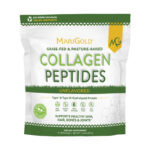
- Glycine-rich collagen supplies building blocks for your tight-junction proteins. Stir 1 scoop of collagen peptides into a soup or smoothie that features beans, lentils, or garlic to help reinforce your barrier.
- L-Glutamine for Enterocyte Fuel
- Enterocyte cells lining your gut prefer glutamine as energy. Blend a scoop into your coffee or tea before a big salad or veggie stir-fry to give those cells extra repair power.
- Gentle Cooking Hacks
- Soak beans overnight, rinse well, and cook thoroughly to neutralize lectins. Use smaller portions of high-FODMAP foods (½ cup or less) and combine them with low-FODMAP veggies.
- Fermented Foods in Moderation
- Sauerkraut, kimchi, and kefir bring probiotics but can be high in FODMAPs—start with 1–2 tablespoons and pair with collagen or glutamine in a smoothie or broth.
Bringing It Together
You don’t need to fear beans, onions, or apples—proper cooking, portion control, and a few strategic scoops of collagen peptides and L-Glutamine can help you enjoy a wider variety of foods with confidence. By focusing on the true culprits of a leaky gut—stress, medications, infections—and adding simple nutrient support, you’ll separate the myths from the molecular facts and keep your barrier strong.
Resources
-
Chen Qianru, Oliver Chen, Isabela M. Martins, et al.
Collagen peptides ameliorate intestinal epithelial barrier dysfunction in immunostimulatory Caco-2 cell monolayers via enhancing tight junctions.
Food & Function. 2017;8(3):1144–1151. doi:10.1039/c6fo01347c -
Li N., Neu J.
Glutamine deprivation alters intestinal tight junctions via a PI3-Kinase/Akt–mediated pathway in Caco-2 cells.
J Nutr. 2009;139(4):710–714. doi:10.3945/jn.108.101485 -
Linderoth A., Prykhod’ko O., Ahrén B., et al.
Binding and the effect of the red kidney bean lectin, phytohaemagglutinin, in the gastrointestinal tract of suckling rats.
Br J Nutr. 2006;95(1):105–115. doi:10.1079/BJN20051612 -
Sheth P., et al.
High-FODMAP diet causes barrier loss via lipopolysaccharide-mediated mast cell activation.
JCI Insight. 2020;5(24):e146529. doi:10.1172/jci.insight.146529
Your MariGold Gut-Boosting Essentials

- Replenish. Restore. Renew.
Grab 100% grass-fed, hydrolyzed Type I & III Collagen Peptides (up to 21 g protein, 0 net carbs) in flavors like Horchata or Hot Cocoa—perfect for daily gut & skin support.
👉 Shop Collagen Peptides - Find Your Flavor, Fuel Your Gut.
From unflavored to Peanut Butter or Strawberry Sundae (11–21 g collagen, 40–108 cal per scoop), there’s a match for every smoothie, soup, or evening cocoa.
👉 Browse All Collagen Flavors - Fuel Your Enterocytes.
MariGold L-Glutamine is non-GMO, ultra-pure, and gluten-free—your go-to for gut-cell energy, immune support, and recovery.
👉 Get L-Glutamine