Ever wondered whether soaking beans overnight or cooking vegetables a certain way can help reduce lectins? If you’re following a lectin-conscious eating plan, knowing how to prepare your food can make a big difference.
Lectins are naturally occurring proteins found in many plant foods, including legumes, grains, nuts, and seeds. While they’ve earned a controversial reputation, not all lectins are harmful, and many lectin-containing foods offer important nutritional benefits.
The good news? Proper cooking can significantly reduce the activity of certain lectins, particularly those found in legumes. But the effectiveness depends on the food, the type of lectin, and the cooking method.
Let’s explore practical ways to reduce lectins in food, including specific tips for lentils, beans, chia seeds, rice, and quinoa.
How to Reduce Lectins in Food: A Quick Guide
Different foods respond differently to soaking, heating, and other preparation methods. Here’s a quick overview of what works and where the research is still limited.
| Food | Recommended Preparation | What to Know |
|---|---|---|
| Dried kidney beans | Soak at least 5 hours, discard soaking water, and boil in fresh water for at least 30 minutes. | Proper boiling is essential for deactivating potentially harmful lectins. |
| Lentils | Rinse and simmer or boil until thoroughly tender. | Cooking is more effective than soaking alone at reducing lectin activity. |
| Chickpeas | Soak dried chickpeas, drain, and cook thoroughly until tender. | Soaking helps hydration; heat treatment is important. |
| Rice | Rinse if desired and cook according to package instructions. | There is no established need for special lectin-removal methods for ordinary cooked rice. |
| Quinoa | Rinse thoroughly and cook until tender. | Rinsing primarily helps remove bitter saponins rather than guaranteeing lectin removal. |
| Chia seeds | Hydrate when appropriate for your recipe; avoid consuming a spoonful of dry seeds by itself. | No validated home method has been established specifically for eliminating lectins from chia seeds. |
| Cucumbers | Wash thoroughly; peel or deseed according to preference. | Peeling isn’t an established lectin-safety requirement. |
1. Soak Beans and Legumes Before Cooking
Soaking is one of the most familiar preparation methods for dried beans and legumes. It helps hydrate them, softens their texture, and can reduce certain compounds that contribute to digestive discomfort.
But there’s an important distinction: soaking alone doesn’t reliably eliminate active lectins. Proper cooking is the critical step for foods such as dried kidney beans.
How to Prepare Dried Beans
- Sort through the beans and remove any debris or damaged beans.
- Rinse thoroughly under running water.
- For dried kidney beans, soak in water for at least 5 hours. Overnight soaking is convenient.
- Discard the soaking water and rinse again.
- Add fresh water and bring the beans to a full, rolling boil for at least 30 minutes.
- Continue cooking until the beans are completely tender.
Important food-safety note: Raw or undercooked kidney beans can contain high levels of phytohaemagglutinin, a lectin capable of causing nausea, vomiting, and diarrhea. The FDA recommends soaking kidney beans for at least five hours and boiling them in fresh water for at least 30 minutes.
Don’t rely on a low-temperature slow cooker alone to prepare dried kidney beans. Some slow cookers don’t reach temperatures sufficient to deactivate the lectin. Canned kidney beans are already fully cooked and can be used according to the package instructions.
2. How to Remove Lectins from Lentils
Lentils are an excellent source of plant-based protein, fiber, iron, and other nutrients. Like other legumes, they contain naturally occurring lectins, but their activity can be reduced substantially through proper cooking.
If you’re wondering how to remove lectins from lentils, the most practical answer is straightforward: cook them thoroughly.
How to Cook Lentils Properly
- Sort through dried lentils and remove any small stones or debris.
- Rinse well under cool running water.
- Add the lentils to a saucepan with enough fresh water to cover them generously.
- Bring the water to a boil, then reduce to a steady simmer.
- Continue cooking until the lentils are thoroughly tender, following the package directions for the particular variety.
- Drain any excess water and season as desired.
Red lentils generally cook faster than green or brown lentils. Cooking time also varies with age and size, so tenderness is a better indicator than relying on a single cooking time.
Do You Have to Soak Lentils Overnight?
Usually, no. Lentils are smaller and cook more quickly than most dried beans. Presoaking can shorten their cooking time, but it’s generally not necessary when they’re thoroughly cooked.
Research comparing soaking and cooking methods suggests that heat treatment is more effective than soaking alone at reducing lectin activity in many pulses.
So if you’re short on time, rinsing and thoroughly cooking lentils is generally a practical approach.
3. How to Reduce Lectins in Chia Seeds
Chia seeds have become a popular addition to smoothies, yogurt, overnight oats, and homemade puddings. They’re valued for their fiber, plant-based omega-3 fats, and ability to absorb liquid.
But if you’re researching lectins, you may have wondered: Do chia seeds contain lectins, and can soaking remove them?
Here’s where it’s important to separate popular dietary advice from established research.
There’s limited evidence establishing the amount of biologically active lectins in commonly consumed chia seeds or demonstrating that a specific home-preparation method reliably removes them.
That means we can’t confidently recommend soaking, boiling, or grinding chia seeds as a scientifically validated lectin-removal treatment.
Should You Soak Chia Seeds?
Soaking chia seeds can still be useful, just not necessarily for the reason you might expect.
When mixed with liquid, chia seeds absorb moisture and form a gel-like texture. This makes them useful in puddings, smoothies, and other recipes.
For a simple chia pudding, stir chia seeds into milk or your favorite milk alternative and allow them to hydrate fully before eating.
Hydrating chia seeds is a useful preparation method because dry chia seeds expand significantly when exposed to moisture. Avoid swallowing spoonfuls of dry chia seeds on their own, particularly if you have difficulty swallowing.
Does Grinding Chia Seeds Remove Lectins?
Grinding chia seeds changes their texture and can make their nutrients more accessible during digestion. However, there isn’t sufficient evidence to claim that grinding reliably removes or deactivates lectins.
If you’re following a strict lectin-restricted dietary protocol, check whether chia seeds fit that particular plan rather than assuming a specific preparation method makes them completely lectin-free.
4. How to Reduce Lectins in Rice and Quinoa
Rice and quinoa are common pantry staples, and both appear frequently in discussions about lectins and other naturally occurring plant compounds.
However, it’s important not to confuse lectins with other substances such as phytates and saponins. Different compounds respond differently to washing, soaking, and cooking.
Does Cooking Rice Remove Lectins?
Rice contains naturally occurring plant proteins and other compounds, but there isn’t strong evidence that ordinary cooked rice requires an additional lectin-removal procedure for most people.
Cooking rice according to package instructions is a sensible approach. Rinsing before cooking may remove excess surface starch and other residues, but shouldn’t be presented as a guarantee that all lectins have been eliminated.
If you’re following a particular eating plan that restricts rice, the restriction may reflect the plan’s overall dietary rules rather than a demonstrated food-safety concern with properly cooked rice.
Does Quinoa Have Lectins?
Quinoa contains various naturally occurring plant compounds, and some lectin-related concerns have been raised in discussions of lectin-restricted diets.
However, the more familiar issue with quinoa preparation is its natural saponin coating, which can contribute a bitter taste.
Rinsing quinoa thoroughly before cooking helps remove residual saponins. Some commercial quinoa is already pre-rinsed, so check the packaging.
Cook quinoa using the package instructions until the grains are tender.
While rinsing and cooking are sensible preparation methods, neither should be described as a verified way to eliminate every lectin or other naturally occurring compound from quinoa.
5. Do Peeling and Deseeding Vegetables Reduce Lectins?
Some lectin-free eating plans recommend peeling and deseeding foods such as tomatoes, cucumbers, and zucchini.
It’s true that various plant compounds can be concentrated in different parts of fruits and vegetables. But whether peeling or deseeding meaningfully reduces lectin activity depends on the particular food and its compounds.
For most people, there isn’t convincing evidence that peeling cucumbers or removing tomato seeds is necessary to make these foods safe to eat.
If you prefer peeled cucumbers or deseeded tomatoes for texture or taste, there’s nothing wrong with preparing them that way. Just avoid assuming that these steps universally remove lectins.
6. What About Fermentation and Sprouting?
Fermentation and sprouting are traditional preparation techniques that can change the nutritional characteristics of grains and legumes.
Depending on the food and process, they can influence certain antinutrients, including phytates and some lectins.
However, the results vary considerably. Fermentation or sprouting alone shouldn’t be relied upon to make raw kidney beans or other improperly prepared legumes safe to eat.
Fermented Foods
Foods such as sauerkraut, kimchi, and traditionally fermented grains can be flavorful additions to a varied diet.
Fermentation can modify certain food compounds, but its effects on lectin activity depend on the ingredients, microorganisms, and preparation conditions.
Sprouted Grains and Legumes
Sprouting may affect various naturally occurring compounds in seeds and legumes. It does not guarantee complete lectin removal.
Raw sprouts can also carry a risk of foodborne illness, so proper food handling remains important.
7. Keep Your Meals Balanced and Varied
One thing that’s easy to overlook when discussing lectins is that many lectin-containing foods are also rich in valuable nutrients.
Beans, lentils, whole grains, nuts, and seeds provide combinations of fiber, protein, vitamins, and minerals.
For most people, the benefits of including properly prepared plant foods in a balanced diet outweigh concerns about typical dietary lectin exposure.
If you’re following a lectin-restricted eating plan for personal reasons, thoughtful meal planning can help ensure you’re still getting adequate nutrition without eliminating more foods than necessary.
Frequently Asked Questions About Reducing Lectins
What is the best way to reduce lectins in food?
Proper cooking, especially moist-heat methods such as boiling, is one of the most effective ways to reduce active lectins in many legumes. The effectiveness depends on the food, lectin type, and cooking conditions. Soaking can help prepare beans for cooking but is not a universal substitute for heat treatment.
How do you remove lectins from lentils?
Rinse dried lentils and cook them thoroughly until tender. Heat treatment is more effective than soaking alone for reducing lectin activity in many pulses. Lentils generally don’t require overnight soaking before cooking.
How do you get rid of lectins in chia seeds?
There isn’t sufficient evidence to recommend a particular home method for reliably eliminating lectins from chia seeds. Soaking changes their texture and hydrates the seeds, but it hasn’t been established as a validated lectin-removal treatment.
Does soaking chia seeds remove lectins?
Not necessarily. Although soaking causes chia seeds to absorb water and form a gel, reliable evidence that this process eliminates lectins is lacking.
How do you remove lectins from rice?
Cook rice according to its package instructions. There isn’t an established need for special lectin-removal methods for ordinary cooked rice. Rinsing may affect surface starch and other residues, but doesn’t guarantee complete removal of lectins.
Does quinoa contain lectins?
Quinoa contains naturally occurring plant compounds, but its best-known preparation concern is its bitter saponin coating. Rinsing helps remove residual saponins, while cooking prepares the grain for eating. Neither process establishes that quinoa is completely lectin-free.
Can you remove lectins from cucumbers?
Peeling and deseeding cucumbers are optional preparation choices, but there’s insufficient evidence that these steps are necessary to eliminate harmful lectins from cucumbers in a typical diet.
Does pressure cooking remove lectins?
Pressure cooking can significantly reduce active lectins in many legumes when sufficient temperature and cooking time are used. The results vary by food and cooking conditions, so follow tested preparation guidance and ensure legumes are thoroughly cooked.
Making Lectin-Conscious Eating a Little Easier
Understanding how food preparation affects lectins is just one part of making informed dietary choices.
If you’re exploring a lectin-restricted eating plan, learning about ingredients and preparing meals thoughtfully can help make everyday decisions easier.
For additional guidance, read our article The Worst Foods for Your Lectin-Free Diet, where we explore commonly restricted foods, dairy alternatives, and the differences between lectin-containing foods and other dietary concerns.
And if you’re looking for convenient snacks that fit your individual ingredient preferences, you can explore MariGold’s Lectin-Free Snack Options and review the ingredients to find products that work for you.
The Bottom Line
Reducing lectin activity in food doesn’t always require complicated preparation methods.
For many legumes, proper cooking is the most important step. Soaking, fermentation, and sprouting can influence some food compounds, but their effects vary, and they shouldn’t be assumed to eliminate all lectins.
For foods like chia seeds, rice, quinoa, and cucumbers, it’s especially important to distinguish established preparation benefits from unsupported claims about lectin removal.
Above all, remember that lectins aren’t automatically a reason to avoid nutritious plant foods. A balanced diet and sensible food preparation are valuable starting points for most people.
Sources & Further Reading
- Harvard T.H. Chan School of Public Health: Lectins
- FDA: Natural Toxins in Food
- Research: Changes in Phytic Acid, Lectins, and Oxalates During Soaking and Cooking of Pulses
- Harvard T.H. Chan School of Public Health: Legumes and Pulses
- Harvard Health: Oxalates, Lectins, and Phytates
Disclaimer: This article is intended for general educational purposes and is not medical or nutritional advice. If you’re considering a restrictive diet for digestive symptoms or another health concern, consult a qualified healthcare professional or registered dietitian.
Healthy and Delicious Lectin-Free Snack Options with MariGold
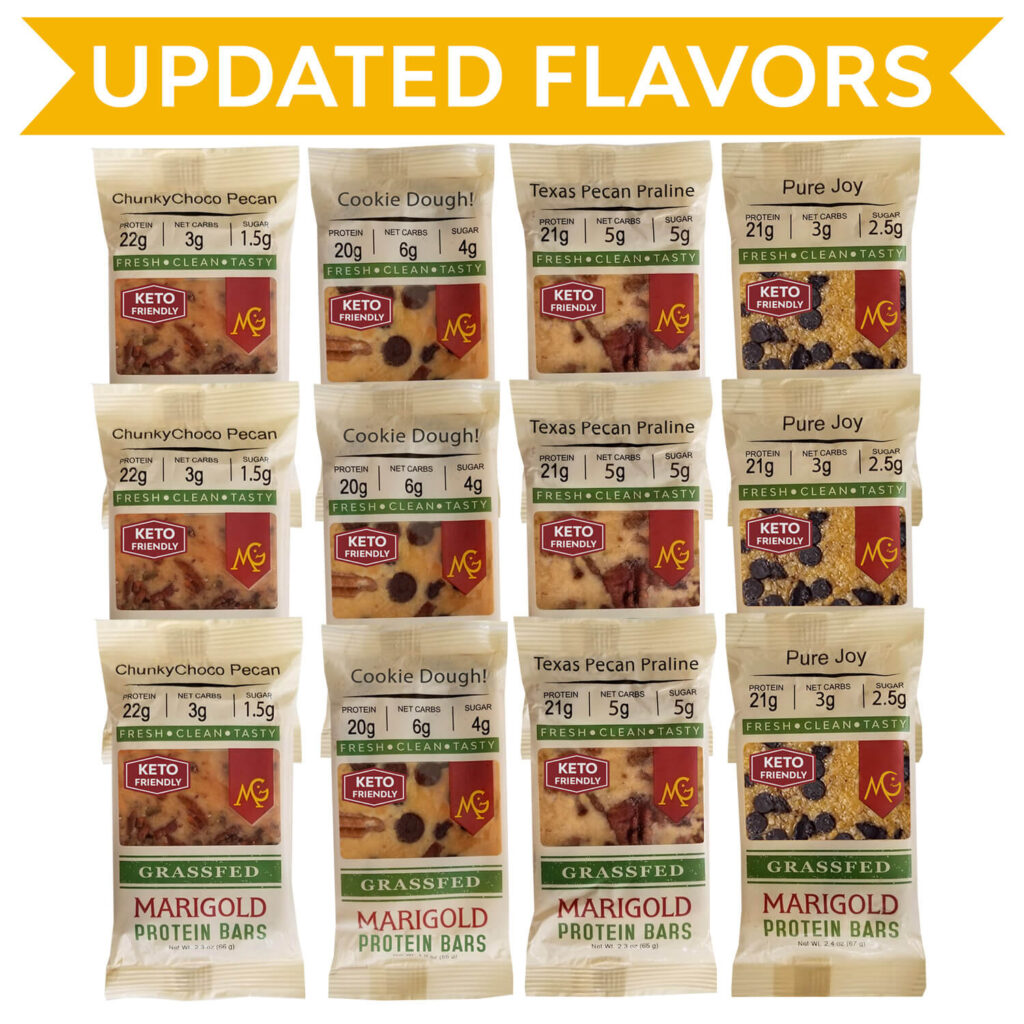

At MariGold, we are committed to offering a diverse range of delicious and nutritious products that are not only enjoyable but also cater to dietary preferences, including those following a lectin-free diet. Our product line features items that are entirely free of lectins, ensuring that you can enjoy your favorite snacks and protein-rich treats without worry. Let’s take a closer look at some of our lectin-free offerings and the associated benefits:
Lectin-Free Protein Bars:
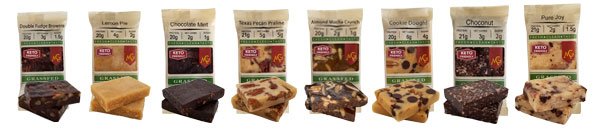
Our protein bars are specially crafted to be lectin-free, making them a perfect choice for individuals who need to minimize lectin consumption. These bars provide a convenient and delicious source of protein to support your active lifestyle.The Lectin-Free Sampler Pack allows you to explore a variety of flavors, satisfying your taste preferences and dietary requirements. Alternatively, our Primal Pack and Coconut Lovers Pack feature our most popular lectin-free flavors, ensuring that you can indulge in guilt-free snacking.
Lectin-Free Whey Isolate Protein Powder:
Our Whey Isolate Protein Powder is a versatile addition to your lectin-free diet. Crafted with high-quality whey protein isolate, it provides a pure and easily digestible source of protein.
This protein powder can be used in a variety of ways, including shakes, smoothies, baked goods, and more. It’s a valuable tool for those who are focused on increasing their protein intake and building lean muscle mass.
Lectin-Free Collagen Peptides:
Our Collagen Peptides are meticulously sourced from grass-fed cattle, providing you with a high-quality, lectin-free collagen product. For individuals following a lectin-free diet, this ensures that our collagen is a safe and nutritious addition to your daily routine.
Collagen is known for its ability to promote skin health, support joint function, and strengthen hair and nails. By adding our Collagen Peptides to your routine, you can enjoy these benefits in a convenient and tasty manner.
Lectin-Free Protein Coffee:
Our Protein Coffee is the ideal solution for those who crave a morning coffee pick-me-up while staying true to their lectin-free lifestyle. It combines the invigorating taste of coffee with the benefits of high-quality whey protein isolate, creating a delicious and convenient beverage.
Each serving of our Protein Coffee delivers a substantial dose of protein, supporting muscle health and keeping you feeling satisfied throughout the day. It’s an excellent way to start your day with energy and nutrition.
Lectin-Free Fat Bombs:
Our Fat Bombs are the ideal solution for those seeking a low-carb, high-fat, and lectin-free snack. These delectable morsels are rich in collagen for supporting healthy nails, skin, hair, bones & joints, as well as the immune system. They are also rich in healthy fats and can be an excellent addition to your daily routine, providing a satisfying energy boost while adhering to your lectin-free lifestyle.
Keto Pecans and Texas Praline Pecans:
Pecans are naturally low in lectins, and our pecans are roasted to perfection, offering a delightful combination of sweet and savory flavors. They make an excellent lectin-free snack for those craving a bit of crunchiness and the delightful.
Pecans are not only delicious but also provide healthy fats, fiber, and various essential nutrients, making them a nutritious choice for snacking.
Benefits of Our Lectin-Free Products:
- Protein-Rich: Our lectin-free protein bars and other products offer a convenient source of high-quality protein. Protein is essential for muscle recovery, satiety, and overall health.
- Lectin-Free Assurance: We take great care to ensure that our lectin-free products meet the dietary requirements of those avoiding lectins. This provides peace of mind for individuals following a lectin-free diet.
- Variety of Flavors: Our products come in a range of delicious flavors, allowing you to satisfy your cravings while adhering to your dietary restrictions.
- Convenient Snacking: Whether you’re on the go, at the office, or enjoying a relaxing moment at home, our lectin-free products offer convenient and satisfying snacking options.
At MariGold, we are dedicated to delivering high-quality, lectin-free products that not only align with dietary restrictions but also provide you with a delightful and nutritious snacking experience. We understand the importance of dietary choices, and we’re here to support your journey towards a healthier and more satisfying lifestyle.