You finish a protein shake expecting to feel energized, satisfied, and proud of your healthy choice. Instead, an hour later, your stomach feels tight enough to double as a drum.
Naturally, the protein gets blamed.
So, do protein shakes cause bloating? Sometimes—but the protein itself may not be the real reason.
The discomfort may come from the type of protein, residual dairy components, sweeteners, added fibers, thickeners, serving size—or simply how quickly you consumed it.
That is why one protein shake may leave you feeling perfectly fine while another causes gas, pressure, cramping, or an urgent search for the stretchiest pants you own.
Understanding what is actually in your protein food can help you find an option that supports your nutrition goals without making your digestive system miserable.
First, What Do We Mean by “Bloating”?
Bloating is the uncomfortable sensation of fullness, tightness, or pressure in the abdomen. It may or may not come with visible abdominal distention.
A certain amount of gas is a normal part of digestion. Gut bacteria naturally produce gas as they break down carbohydrates that were not fully digested earlier in the digestive tract. Problems arise when more gas is produced than usual, additional water is drawn into the intestines, digestion slows, or the gut becomes especially sensitive to normal digestive activity.
Bloating can have many causes, so experiencing it after a protein shake does not necessarily mean your body cannot handle protein. It may mean that your body did not particularly appreciate one of the ingredients traveling alongside it.
1. The Protein May Still Contain Lactose
Lactose is the naturally occurring sugar in milk. To digest it, the body produces an enzyme called lactase.
People who do not produce enough lactase may have trouble fully digesting lactose. The undigested lactose continues into the large intestine, where bacteria ferment it. This can result in gas, bloating, abdominal discomfort, diarrhea, nausea, and digestive rumbling. Symptoms and tolerance levels vary depending partly on how much lactose is consumed.
Not all dairy-based protein powders contain the same amount of lactose.
Whey concentrate versus whey isolate
Whey concentrate typically undergoes less filtration and may retain more lactose, fat, and other milk components. The exact composition varies considerably from one product to another.
Whey isolate is processed more extensively to remove a greater proportion of the lactose, fat, and non-whey components. For someone who is sensitive to lactose, a thoroughly filtered whey isolate may be easier to tolerate than a whey concentrate.
However, “whey isolate” on the front of a package does not tell you everything. Processing methods, purity, added ingredients, flavor systems, and manufacturing standards can all differ.
Look at the entire label rather than assuming all whey isolates—or all protein powders—will affect you in exactly the same way.
2. Lactose and Casein Are Not the Same Thing
Lactose is a carbohydrate. Casein is a milk protein.
Someone can have difficulty digesting lactose without having a problem with milk proteins. Another person may avoid casein but tolerate lactose differently. A true milk allergy is a separate immune response and can be serious.
This distinction matters because a product labeled “low lactose” or “lactose free” is not automatically free from casein. Likewise, removing casein does not necessarily tell you how much lactose remains.
When comparing dairy-derived protein products, look for specific information about both components rather than treating all dairy sensitivities as interchangeable.
Anyone with a diagnosed milk allergy should follow the guidance of a qualified medical professional and should not assume that a dairy-derived protein is safe simply because it is labeled lactose free.
3. Sugar Alcohols Can Be Rough on Sensitive Stomachs
Protein bars, ready-to-drink shakes, powders, and low-sugar snacks frequently use sugar alcohols to add sweetness while keeping the sugar content lower.
Common examples include:
- Erythritol
- Maltitol
- Sorbitol
- Xylitol
- Mannitol
- Isomalt
Sugar alcohols are not completely absorbed by the body. For some people, the unabsorbed portion can draw water into the digestive tract or become fermented by intestinal bacteria. This may lead to gas, bloating, abdominal discomfort, and diarrhea.
The amount matters.
A small quantity may cause no noticeable symptoms, while a large protein bar, oversized shake, or several low-sugar products eaten throughout the day may push someone beyond their personal tolerance.
You may also react differently depending on what else you have eaten, your overall FODMAP intake, and how sensitive your digestive system happens to be that day.
This does not mean every sugar alcohol is “bad.” It means that low sugar does not automatically equal easy to digest.
4. Added Fibers and Texture Ingredients Affect Everyone Differently

Protein bars, shakes, and other high-protein foods often contain added fibers or texture-supporting ingredients. These can help create a satisfying consistency, add dietary fiber, support lower-sugar formulations, or provide prebiotic benefits.
Common examples include:
- Chicory root fiber or inulin
- Fructooligosaccharides, or FOS
- Guar gum
- Xanthan gum
- Cellulose gum
- Carrageenan
These ingredients are not automatically undesirable, and they do not all behave the same way in the digestive tract.
Chicory root fiber, for example, is a source of inulin-type prebiotic fiber. Because it is not fully digested in the upper digestive tract, it reaches the colon, where gut bacteria can ferment it. This is part of how it helps nourish certain beneficial bacteria.
Fermentation, however, naturally produces gas. Some people tolerate chicory root fiber very well, while others—particularly those who are sensitive to fructans or managing IBS—may notice bloating or discomfort after consuming a larger amount.
Serving size matters, as does the total amount of fermentable fiber eaten throughout the day. A modest portion of one product may feel perfectly comfortable, while several fiber-enriched foods consumed close together may exceed someone’s personal tolerance.
The takeaway is not that added fiber is bad. It is that even beneficial fiber needs to match the person and the portion.
5. You May Be Increasing Fiber Too Quickly
Fiber supports digestive health, regularity, satiety, and a diverse gut environment. Certain fibers and resistant starches also act as prebiotics, meaning they provide fuel for beneficial gut microorganisms.
That fermentation is part of what makes prebiotic fibers useful—but it can also produce gas.
If your normal diet is relatively low in fiber and you suddenly introduce a shake containing several grams of resistant starch or added prebiotic fiber, your gut bacteria receive a much larger meal than they are accustomed to handling.
The result may be temporary bloating, even when the ingredient itself has potential long-term benefits.
The National Institute of Diabetes and Digestive and Kidney Diseases notes that consuming too much fiber at once can cause gas. It recommends increasing fiber gradually to help reduce gas and bloating, particularly for people with irritable bowel syndrome.
Try beginning with a partial serving and increasing it as tolerated. Give your digestive system time to adjust rather than going from almost no fiber to a fiber-packed shake overnight.
More is not always better—especially by Tuesday morning.
6. Your Serving May Simply Be Too Large
Consider everything that can go into one protein shake:
- A large scoop of protein powder
- Milk or a milk alternative
- Fruit
- Nut butter
- Chia or flaxseed
- Added greens
- Prebiotic powder
- Sweeteners
- Ice
- Perhaps a second scoop, just to be productive
Individually, those ingredients may fit your eating plan. Combined, they can create a very large and concentrated meal.
A bigger shake delivers more protein, fluid, fiber, fat, fermentable carbohydrates, and sweeteners at once. If you drink it quickly, your digestive system has to process the entire mixture in a short period.
Before eliminating protein altogether, try simplifying the shake. Use one serving of protein, a familiar liquid, and perhaps one or two additional ingredients. You can always build from there once you know the basic combination agrees with you.
7. You May Be Drinking It Too Quickly
When you gulp a thick shake through a straw or drink it while racing out the door, you may swallow extra air along with it.
That air has to go somewhere.
Swallowed air can contribute to belching, gas, pressure, and a sensation of fullness. The NIDDK recommends swallowing less air and adjusting eating and drinking habits as possible ways to reduce excess gas symptoms.
Try sipping your shake more slowly. You might also let excessive blender foam settle before drinking and avoid using a straw if you notice that it makes you swallow more air.
Your protein shake does not need to become a 45-minute tasting experience. Just give it more than 45 seconds.
8. Your Gut Has Its Own Preferences
Digestive tolerance is remarkably individual.
One person may tolerate dairy protein but react to chicory root. Another may enjoy prebiotic fiber but have trouble with maltitol. Someone else may tolerate all of those ingredients separately but feel uncomfortable when several appear together in one large serving.
People with irritable bowel syndrome may also experience discomfort from amounts of gas or intestinal stretching that do not bother someone without a sensitive gut.
Your response may be influenced by:
- Portion size
- The combination of ingredients
- How frequently you consume the product
- What else you ate that day
- Constipation
- Stress
- Hormonal changes
- Recent illness
- Your individual microbiome
- An existing digestive condition
This is why copying another person’s “perfect” protein routine does not always produce a perfect result for you.
How to Find a Protein Food That Feels Better

When a product causes bloating, you do not necessarily need to abandon protein powders, bars, or shakes altogether.
Use the experience as information.
– Read beyond the protein number
A package may prominently advertise 20 or 25 grams of protein, but the digestive story is often found farther down the label.
Check the protein source and then review the sweeteners, fibers, gums, dairy components, and serving size.
– Choose simpler formulas
A shorter ingredient list makes it easier to understand what you are consuming and identify potential triggers.
It also makes comparison easier. When one powder contains five ingredients and another contains 25, determining what caused a reaction becomes considerably more difficult.
– Look at the type and amount of added fiber
A product that includes chicory root fiber, resistant starch, or another prebiotic fiber may offer meaningful nutritional benefits. It may also feel different from a product without fermentable fiber, especially if your usual fiber intake is low.
Rather than automatically avoiding these ingredients, consider the serving size and how your body responds. Begin with a smaller amount when introducing a new fiber-rich product, particularly if you know that you are sensitive to fructans or other FODMAPs.
– Start with half a serving
This is especially helpful when trying a new prebiotic fiber, resistant starch, sweetener, or concentrated protein product.
A smaller amount allows you to test your tolerance without overwhelming your digestive system.
– Introduce one product at a time
Avoid beginning a new protein powder, probiotic, greens supplement, fiber supplement, and magnesium product on the same morning.
Should your stomach object, you will have no idea which newcomer started the argument.
– Keep a simple food and symptom record
Write down the product, serving size, time consumed, accompanying foods, and symptoms. Patterns can reveal whether the issue is linked to a particular ingredient, a larger serving, or a combination of foods.
The NIDDK notes that a food and symptom diary may help a doctor or dietitian identify foods and drinks associated with gas symptoms.
– Consider Low FODMAP options
FODMAPs are fermentable carbohydrates that may be poorly absorbed and can trigger digestive symptoms in some people, particularly those with IBS.
A Low FODMAP product may help reduce certain common triggers, but “Low FODMAP” does not mean that every person will tolerate an unlimited amount. Serving size and individual sensitivity still matter.
A restrictive Low FODMAP diet is not intended to be followed indefinitely without guidance. People managing ongoing IBS symptoms should consider working with a dietitian who understands the structured elimination and reintroduction process.
A Closer Look at MariGold’s Protein Options
MariGold’s Grass-Fed Whey Isolate is cold processed and micro-filtered to create a concentrated whey protein with minimal unwanted dairy components. MariGold’s whey isolate products are labeled lactose free and casein free, providing another option for customers who pay close attention to those parts of dairy-based protein products.
The formulas are designed to keep the focus on high-quality protein rather than burying it beneath a long collection of unnecessary fillers.
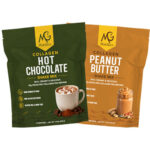
For customers seeking collagen with added fiber, MariGold Collagen Shakes combine grass-fed Type I and III hydrolyzed collagen peptides with organic green banana flour, a source of resistant starch. The shakes are also Low FODMAP, gluten free, dairy free, sugar free, and seed oil free.
Because resistant starch is fermentable, customers who do not regularly consume much fiber may still prefer to begin with a smaller serving and gradually increase it. Low FODMAP does not mean “physically impossible to overdo.”
The goal is not to find a food that every digestive system responds to identically. Such a food probably does not exist. The goal is to choose thoughtfully formulated products and find the amount that works well for your body.
When asking, “Do protein shakes cause bloating?” it helps to look beyond the protein and consider the complete formula, portion size, and your individual tolerance.
Do Not Automatically Blame the Protein
Feeling bloated after a protein shake does not prove that you “cannot digest protein.”
The more likely explanation may involve lactose, a milk component, a sugar alcohol, a fermentable fiber, an oversized serving, swallowed air, or the combined effect of several ingredients.
Slow down. Simplify the formula. Reduce the serving. Read the full ingredient list. Then pay attention to what changes.
Your stomach may not be rejecting protein at all.
It may simply be asking for a smaller serving, a slower pace, or fewer new ingredients arriving at the party all at once.
When Bloating Deserves Medical Attention
Occasional mild bloating is common. Persistent, severe, or worsening symptoms should not be written off as a normal reaction to healthy eating.
Speak with a healthcare professional if bloating is frequent or accompanied by symptoms such as severe abdominal pain, repeated vomiting, blood in the stool, persistent diarrhea or constipation, unexplained weight loss, difficulty swallowing, hives, swelling, breathing difficulty, or signs of an allergic reaction.
A qualified healthcare provider can help determine whether symptoms are related to lactose intolerance, IBS, a food allergy, celiac disease, another digestive condition, or something unrelated to the protein food.
Protein That Works With Your Routine

The right protein should help you feel nourished and satisfied—not leave you second-guessing your stomach afterward.
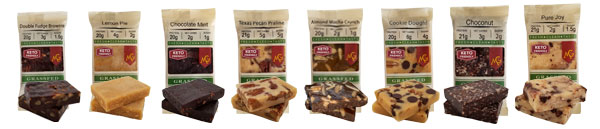
MariGold offers thoughtfully formulated protein options made with high-quality ingredients, including cold-processed, micro-filtered Grass-Fed Whey Isolate and Low FODMAP Collagen Shakes.
Whether you are looking for a simple whey isolate, a fiber-containing collagen shake, or a convenient protein snack, paying attention to ingredients, serving size, and personal tolerance can make all the difference.