You probably know what banana bread tastes like. You may have sliced a ripe banana into a smoothie, mashed one into pancakes, or grabbed one for a quick snack. But green banana flour is probably not an ingredient you encounter every day.
So, seeing it listed on a bag of MariGold Collagen Shake Mix may raise a few questions:
Why use bananas before they are ripe? Is green banana flour sweet? Does it make the shake taste like bananas? And what does it have to do with fiber and gut health?
The simple answer is that green banana flour is not included for banana flavor. It is there because unripe bananas contain an unusual form of carbohydrate called resistant starch—a starch that does not behave quite like the carbohydrates most people picture when they hear the word “starch.”
Structurally, it is still a carbohydrate. During digestion, however, some of it acts more like fermentable fiber.
That difference is exactly what makes green banana flour so interesting.
What Is Green Banana Flour?
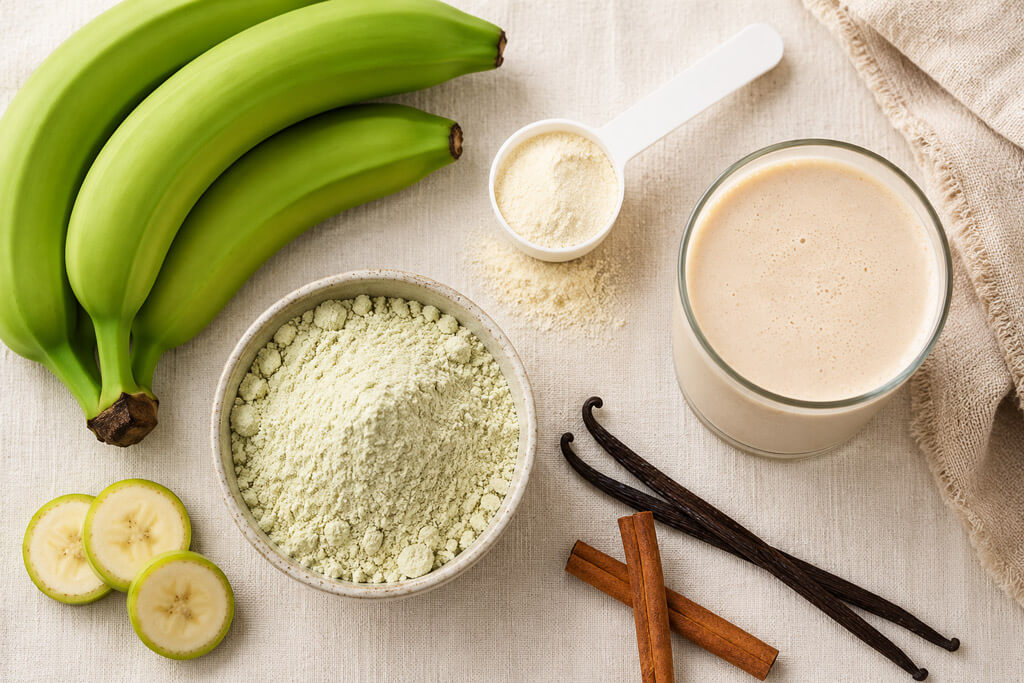
Green banana flour is made from bananas that are harvested while they are still unripe. The fruit is dried and ground into a fine powder that can be used in baked goods, drinks and other foods.
Because the bananas have not yet ripened, the flour is very different from the sweet, banana-flavored powders you may be imagining. It has a relatively mild flavor, allowing it to blend into a shake without turning every flavor into banana.
More importantly, harvesting the banana while it is green preserves more of its natural starch. Green banana flour can be particularly rich in resistant starch, although the exact amount varies based on the banana variety, its stage of ripeness and the way the flour is processed.
In other words, not every green banana flour is nutritionally identical—but the ingredient is valued largely because of the unusual starch found in the unripe fruit.
What Happens When a Banana Ripens?
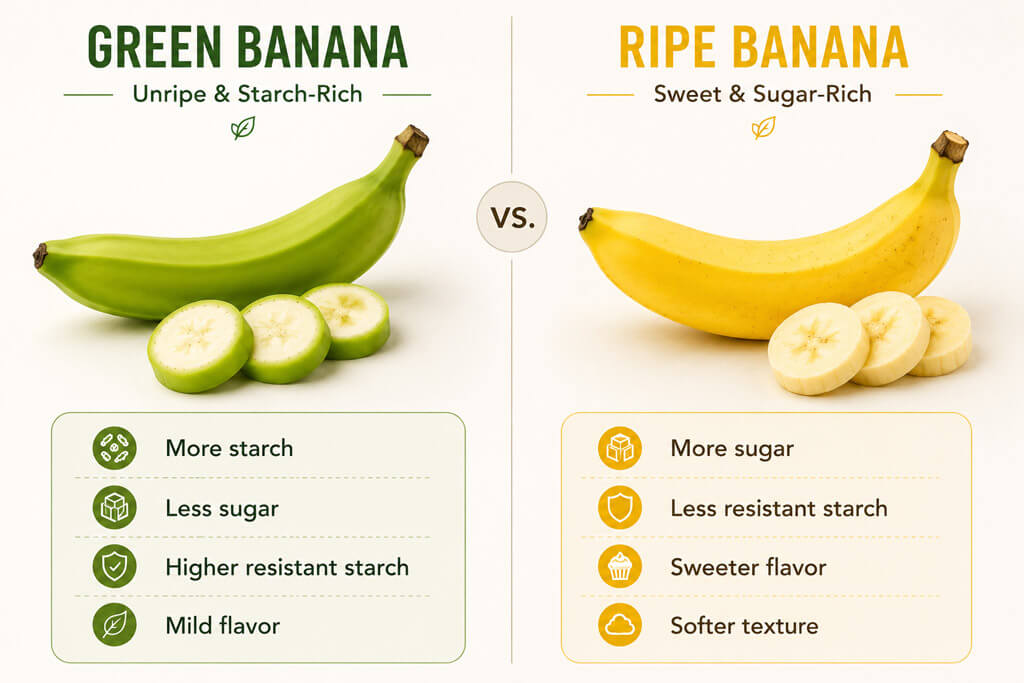
A green banana and a yellow banana are not simply the same food in two different colors. Ripening changes the banana’s carbohydrate composition, texture and flavor.
While the banana is green, much of its carbohydrate is stored as starch. As the fruit ripens, enzymes begin breaking that starch down and converting it into simpler sugars.
That is why a yellow banana becomes:
- Softer
- Sweeter
- Easier to mash
- More recognizably “banana flavored”
Researchers studying banana ripening have documented this decline in starch alongside an increase in soluble sugars as the fruit matures.
Neither stage is inherently good or bad. A ripe banana is still a nutritious whole food. It simply serves a different nutritional and culinary purpose than a green banana.
For green banana flour, the unripe stage is the point. The fruit is used before most of its starch has been transformed into sugar.
What Is Resistant Starch?
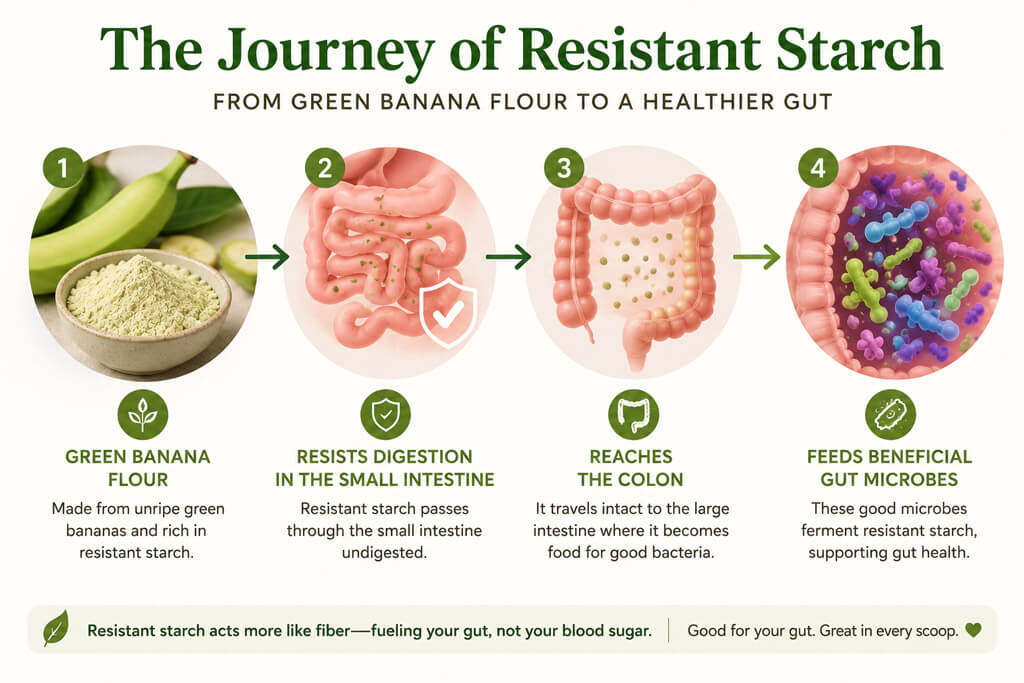
Most dietary starch is broken down by digestive enzymes in the small intestine. The resulting glucose can then be absorbed and used for energy.
Resistant starch is different.
As its name suggests, it resists some digestion in the small intestine. Instead of being completely broken down and absorbed there, a portion can continue into the large intestine relatively intact.
That is why resistant starch is frequently described as a carbohydrate that functions more like fiber.
It is technically starch, but the body does not necessarily process all of it in the same way it processes ordinary, rapidly digested starch. Resistant starch is generally defined by its ability to avoid digestion in the small intestine and reach the large bowel.
This is also a good reminder that the word carbohydrate describes an enormous category.
Table sugar is a carbohydrate. The starch in bread is a carbohydrate. Resistant starch is a carbohydrate. Most dietary fibers are carbohydrates, too.
The body does not treat every one of them identically.
What Happens When Resistant Starch Reaches the Gut?
Once resistant starch reaches the large intestine, certain members of the gut microbiome may begin fermenting it.
Your gut microbiome is the community of bacteria and other microorganisms living throughout your digestive tract. Different microbes prefer different types of fuel, which is one reason eating a varied diet matters.
During the fermentation of resistant starch and other nondigestible carbohydrates, gut microbes can produce compounds called short-chain fatty acids. The primary short-chain fatty acids produced in the colon include acetate, propionate and butyrate.
Butyrate gets a great deal of attention because it is an important energy source for the cells lining the colon. Researchers continue to study how resistant starch, short-chain fatty acids and the microbiome may influence digestive and metabolic health.
That does not mean every person will have the exact same response to green banana flour—or any other fermentable food.
Microbiomes differ. Serving sizes differ. Diets differ. The amount and type of resistant starch matter, and processing can alter how much remains in a finished food. The science is promising, but green banana flour is not a magic ingredient that instantly “fixes” the gut.
It is better understood as one potentially useful source of fermentable carbohydrate within an overall fiber-rich, varied diet.
Is Resistant Starch the Same as Fiber?
Not exactly—but the comparison is helpful.
Traditional dietary fibers are generally made from nondigestible plant carbohydrates. Resistant starch has the molecular structure of starch, yet some of it avoids digestion and reaches the large intestine.
That is why the most accurate answer is:
Resistant starch is a starch that can behave physiologically more like fermentable fiber than ordinary starch.
The distinction may sound technical, but it has a practical takeaway: simply looking at the total carbohydrate in a food does not tell you everything about how those carbohydrates are structured or digested.
Two foods can contain carbohydrates while affecting digestion very differently.
Why Put Green Banana Flour in a Collagen Shake?
Collagen peptides and green banana flour bring very different things to the formula.
Hydrolyzed collagen provides amino acids, including glycine, proline and hydroxyproline. It mixes easily into liquids and gives you a convenient way to add collagen to your daily routine.
Collagen, however, does not provide fiber.
Green banana flour helps fill that gap. It contributes fiber and resistant starch while giving the shake more body and substance than collagen stirred into plain water.
In our Collagen Shakes, green banana flour helps:
- Contribute fiber to the formula
- Provide naturally occurring resistant starch
- Add body and a smoother, more satisfying texture
- Complement the collagen with something collagen alone cannot supply
- Create a more complete shake without adding a strong banana flavor
It is not included as meaningless filler. It has a specific job.
We could have created a flavored collagen powder and stopped there. Instead, we wanted our Collagen Shakes to offer more than flavoring added to collagen peptides. Organic green banana flour allows us to incorporate a thoughtfully selected, whole-food-derived ingredient that supports the texture and nutritional profile of the finished shake.
Will It Make the Shake Taste Like Bananas?
No. You are not going to prepare a mug of Hot Chocolate and suddenly wonder whether someone slipped a banana smoothie into it.
Green bananas have not developed the same sweetness or strong flavor associated with ripe yellow bananas. When used thoughtfully in a formula, green banana flour can provide body without dominating the intended flavor.
Your Horchata can still taste like creamy cinnamon and vanilla. Your Strawberry Sundae can still taste like strawberries and cream. Your Peanut Butter can remain decidedly peanut buttery.
No tropical identity crisis required.
Does Resistant Starch Have Any Downsides?
Fiber and fermentable carbohydrates are beneficial additions to many diets, but more is not always better—especially all at once.
Because gut microbes can ferment resistant starch, some people may notice temporary gas, bloating or changes in digestion when they suddenly increase their intake. This is not unique to green banana flour. Beans, vegetables, whole grains and many supplemental fibers can cause similar effects when introduced too quickly.
Tolerance is highly individual. Someone accustomed to eating plenty of plant foods and fiber may respond differently than someone whose diet has been relatively low in fermentable carbohydrates.
A few practical habits can help:
- Increase fiber gradually rather than changing your intake overnight.
- Drink enough fluids throughout the day.
- Pay attention to your individual digestion and serving-size tolerance.
- Remember that a single ingredient is only one part of your overall diet.
Anyone with an existing digestive condition or a medically prescribed diet should follow the guidance of their healthcare professional.
Green Banana Flour Without the Hype
Green banana flour does not need an exaggerated wellness story to be worth using.
It will not single-handedly repair your microbiome, guarantee perfect digestion or make the rest of your diet irrelevant. No ingredient can do that.
What it can do is contribute fiber and resistant starch from an unexpected whole-food source. That resistant starch can avoid some digestion in the small intestine and become available for fermentation by microbes farther along the digestive tract.
It also works especially well alongside collagen because the two ingredients provide different nutritional qualities.
Collagen supplies specific amino acids. Green banana flour supplies something collagen does not: fiber and resistant starch.
That is why it earned its place in our Collagen Shakes.
Sometimes, the most useful ingredients are not the flashiest ones on the front of the package. They are the thoughtful additions quietly doing more than one job—and green banana flour is a perfect example.
More Than Just Collagen
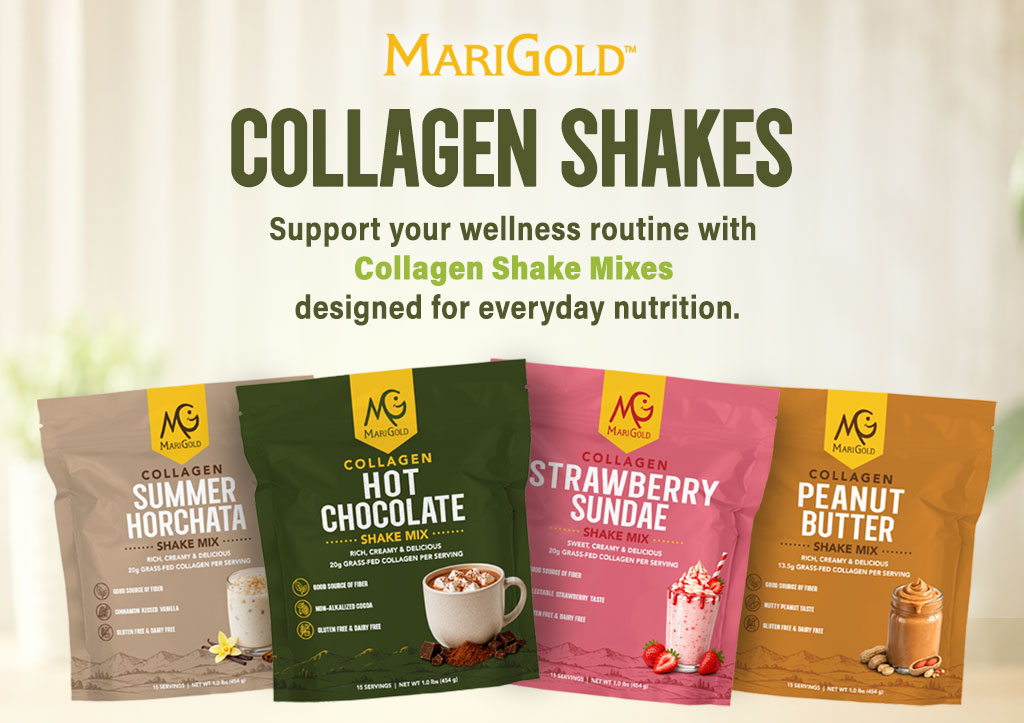
MariGold Collagen Shake Mixes
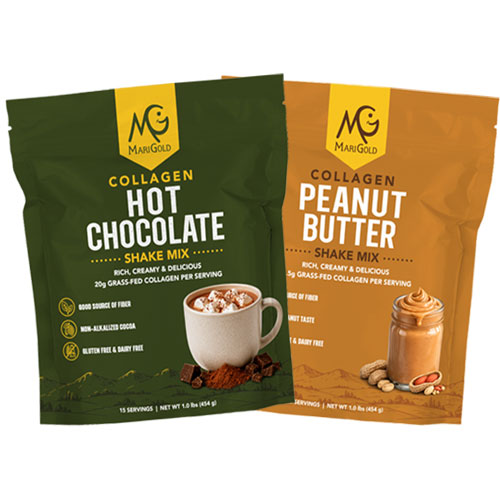
Our new Collagen Shakes pair hydrolyzed Type I & III collagen with organic green banana flour for a smooth, satisfying shake that brings together collagen, fiber, and resistant starch in one easy scoop.
Available in Hot Chocolate, Strawberry Sundae, Peanut Butter, and Horchata, each flavor is designed to taste indulgent while fitting into a clean, low-carb routine. Enjoy yours blended cold, shaken with water, stirred into a warm drink, or added to your favorite smoothie.