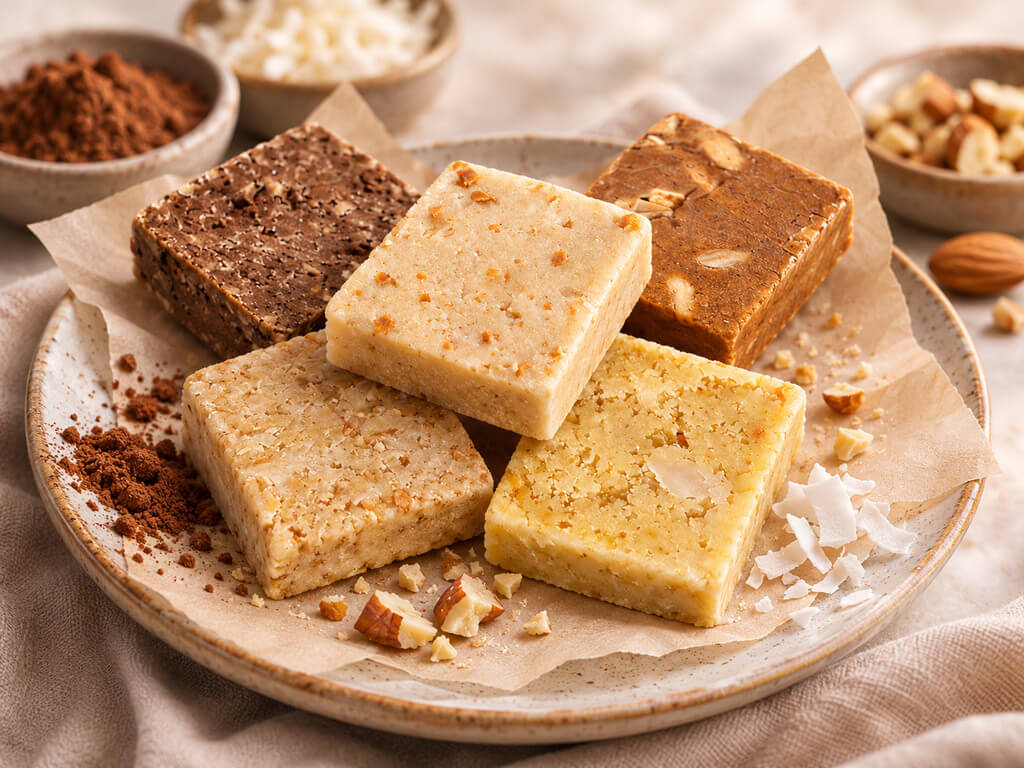
Sometimes you just want something rich, chocolatey, and delicious without all the sugar that usually comes with dessert. That’s where fat bombs come in.
These little bites have become a favorite in the keto and low-carb world, and for good reason. They’re convenient, indulgent, and made with ingredients that offer an alternative to traditional sugary snacks. Some even include added protein or collagen, giving you a little more than just a sweet treat.
But what exactly goes into a fat bomb? Are they healthy? And do you have to follow a ketogenic diet to enjoy them?
Let’s explore what makes these little treats so popular, what to look for in the ingredients, and how to make them part of a balanced approach to eating.
What Exactly Is a Fat Bomb?
Despite the rather dramatic name, a fat bomb is simply a small, calorie-dense snack made primarily from fats instead of the flour, sugar, and other carbohydrates commonly found in desserts.
Think of it as a cross between a chocolate truffle and a bite-sized energy snack.
Most fat bombs start with ingredients like cocoa butter, coconut oil, nut butter, cream cheese, or ghee. They’re typically sweetened with low-carb alternatives such as allulose or stevia, and some recipes incorporate additional ingredients like collagen peptides, protein, cocoa, or nuts.
The result? A rich, creamy treat that delivers plenty of flavor in just a few bites, often with very little sugar.
Although fat bombs first gained popularity among people following ketogenic diets, you certainly don’t have to be keto to enjoy one. They’re also an option for anyone looking to reduce added sugar, enjoy a more ingredient-conscious dessert, or simply keep a convenient treat on hand.
What Makes Fat Bombs Different From Traditional Desserts?
The biggest difference comes down to where the calories come from.
Traditional cookies, candies, and other sweet treats often rely heavily on refined flour and added sugar. Fat bombs take a different approach, using fats as their primary ingredient and typically replacing sugar with low-carb sweeteners.
That change creates several appealing characteristics:
- Less sugar: Many fat bombs contain little or no added sugar, making them a convenient alternative to conventional sweets.
- Fewer net carbohydrates: Low-carb ingredients make fat bombs particularly appealing to people following keto or carbohydrate-conscious eating plans.
- Rich, indulgent flavor: Ingredients like cocoa butter, coconut oil, and nut butters contribute the creamy texture and satisfying richness people love.
- Convenient portions: Their small size makes it easy to enjoy a little something sweet without preparing an entire dessert.
- Room for additional nutrition: Some fat bombs contain added protein, collagen, nuts, or other ingredients that contribute more than just flavor.
Of course, lower sugar doesn’t automatically mean lower calories. Since fat provides more than twice as many calories per gram as protein or carbohydrate, fat bombs are naturally energy-dense. That’s part of what makes them such a rich treat, and why portion size is worth keeping in mind.
Why Are Fat Bombs So Popular With Keto Dieters?
The ketogenic diet is designed to encourage the body to use fat and ketones as important energy sources by significantly limiting carbohydrate intake.
For many people following keto, one of the challenges isn’t necessarily finding foods they can eat. It’s finding snacks and desserts that fit their carbohydrate goals without feeling like they’re constantly missing out.
Fat bombs help fill that gap.
Because they’re generally made with high-fat, low-carbohydrate ingredients, they can provide a convenient way to enjoy something sweet while keeping carbohydrate intake relatively low.
And let’s be realistic: sometimes a piece of chocolate sounds a lot more appealing than another hard-boiled egg.
But here’s an important distinction: fat bombs aren’t required for ketosis, and eating more fat doesn’t automatically mean burning more body fat. Their greatest advantage is that they can fit comfortably into a low-carb eating pattern while offering a delicious alternative to conventional desserts.
What’s Inside a Quality Fat Bomb?
Not all fat bombs are made alike. Two products might look nearly identical, yet contain very different fats, sweeteners, and added ingredients.
That’s why it’s worth looking beyond the front of the package and getting familiar with what’s actually inside.
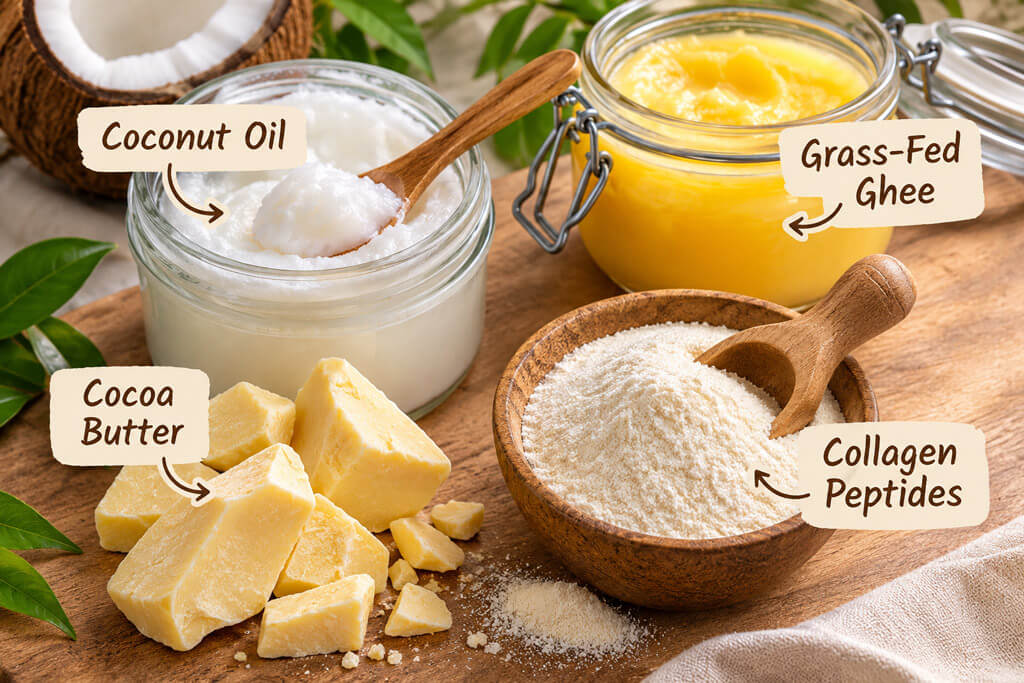
Cocoa Butter: Rich Flavor and Creamy Texture
Cocoa butter is the natural fat extracted from cocoa beans. It’s responsible for much of the smooth, melt-in-your-mouth texture associated with quality chocolate.
In fat bombs, cocoa butter provides richness and structure without requiring the added sugar often found in conventional chocolate candies.
It’s also worth knowing that cocoa butter contains a mixture of saturated and unsaturated fatty acids, including stearic and oleic acids. Research suggests stearic acid has a relatively neutral effect on LDL cholesterol compared with some other saturated fatty acids, although cocoa butter should still be considered part of your overall saturated fat intake.
Coconut Oil: A Popular Low-Carb Ingredient
Coconut oil is another common fat bomb ingredient, appreciated for its smooth texture and ability to solidify when cooled.
It contains medium-chain fatty acids, although much of coconut oil’s fat is lauric acid, which behaves differently from the shorter medium-chain fats found in concentrated MCT oil.
While coconut oil is popular in keto recipes, it’s also high in saturated fat. The best approach is to enjoy it as part of a varied diet rather than assuming more is always better.
Grass-Fed Ghee: Buttery Flavor Without the Extra Water
Ghee is clarified butter that’s been heated to remove most of its water and milk solids, leaving behind a concentrated butterfat with a rich, slightly nutty flavor.
It’s a favorite in many low-carb recipes because it contributes buttery richness without adding meaningful carbohydrates.
Grass-fed ghee may have a somewhat different fatty acid profile than conventional ghee, depending on how the cows are raised and fed. However, both remain concentrated sources of fat, including saturated fat.
Ghee is also derived from milk, so anyone with a milk allergy should carefully check product labels.
Grass-Fed Collagen Peptides: An Added Protein Benefit
Here’s where fat bombs can get particularly interesting.
Some fat bombs incorporate collagen peptides, adding protein to a treat that’s traditionally made almost entirely from fat.
Collagen is a structural protein found throughout the body, including in skin, tendons, ligaments, and connective tissues. Collagen peptides provide amino acids such as glycine, proline, and hydroxyproline, which are important components of collagen-rich tissues.
Research into collagen supplementation has explored potential benefits for skin hydration, elasticity, and joint comfort, although results vary and additional high-quality studies are needed.
Collagen isn’t a complete protein, so it shouldn’t replace complete protein sources like whey, eggs, or other protein-rich foods. But incorporating collagen into a fat bomb is a clever way to add some protein to an otherwise primarily fat-based snack.
Low-Carb Sweeteners: Sweetness Without All the Sugar
One of the most appealing features of many fat bombs is their use of alternative sweeteners.
Allulose, for example, is a rare sugar that provides sweetness with significantly fewer calories than traditional sugar. It has a much smaller effect on blood glucose than regular sugar, making it useful in many low-carb recipes.
Stevia is another popular choice. Derived from the stevia plant, purified steviol glycosides provide intense sweetness without the same carbohydrate contribution as table sugar.
These ingredients make it possible to create rich, delicious treats without relying on large amounts of added sugar.
Can Fat Bombs Help You Feel Satisfied Between Meals?
One reason people enjoy fat bombs is their richness. A small portion can feel like an indulgent treat, particularly when you’re craving something sweet.
But does eating fat actually keep you fuller for longer?
The research is a little more nuanced than you might expect.
Dietary fat slows some aspects of digestion and contributes to the sensory experience of eating. However, research suggests that fat alone isn’t necessarily as effective at promoting fullness per calorie as protein or certain high-fiber foods.
Protein has generally shown more consistent benefits for appetite regulation, although the effects vary depending on the food, meal composition, and individual.
This is one reason a fat bomb containing both fat and protein may appeal to someone who wants more from a snack than sweetness alone.
That doesn’t mean a fat bomb is guaranteed to curb hunger for hours. Rather, its rich flavor, portion size, and combination of ingredients may make it an enjoyable option between meals or after dinner.
The takeaway? Choose snacks that work for your appetite and your nutritional goals. If a small, rich treat leaves you feeling content, there’s nothing wrong with making room for it.
Can Fat Bombs Fit Into a Weight Management Plan?
Absolutely, provided they fit within your overall eating pattern and energy needs.
One common misconception about keto-friendly foods is that eating fat automatically encourages the body to burn stored fat. Unfortunately, metabolism doesn’t work quite that simply.
Ketogenic diets can help some people manage their weight, but studies comparing low-carbohydrate and other calorie-controlled diets generally show that long-term results depend on several factors, including total energy intake, dietary adherence, and individual responses.
Fat bombs themselves haven’t been shown to directly increase body fat loss.
What they can do is offer a flavorful, low-sugar alternative to certain traditional desserts. For someone trying to reduce added sugar or stick with a lower-carbohydrate eating plan, having enjoyable options available can make that approach feel more sustainable.
Just remember that these little treats pack a lot of energy into a small package. Enjoying one intentionally is different from eating several without realizing how quickly the calories add up.
How MariGold Takes Fat Bombs a Step Further
At MariGold, we believe a treat should taste incredible without requiring you to abandon your ingredient standards.
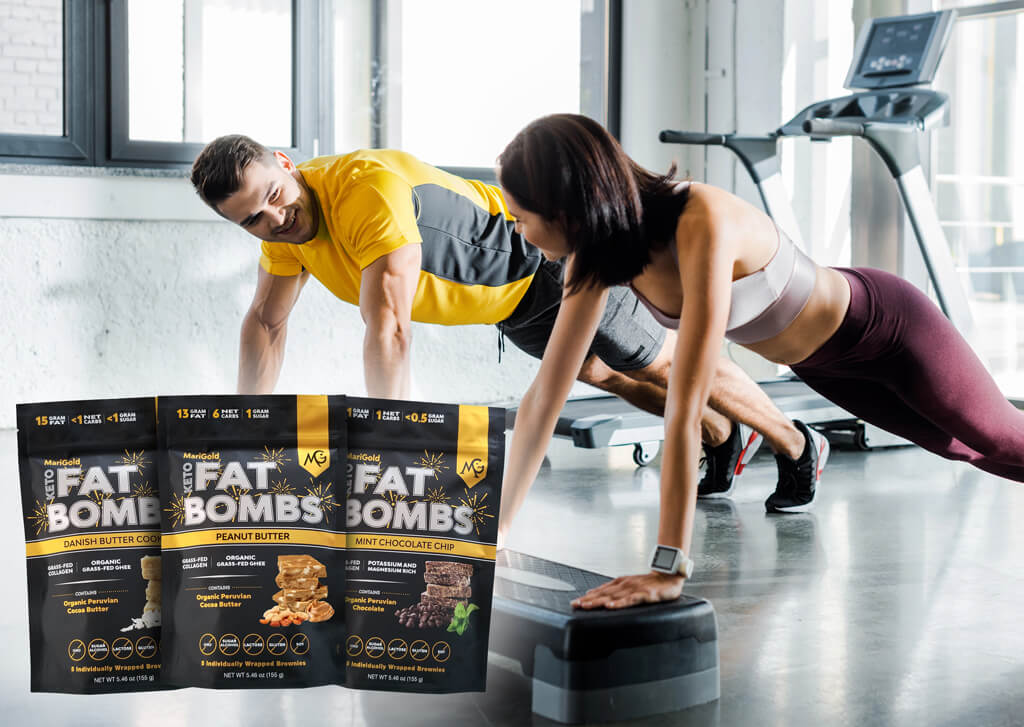
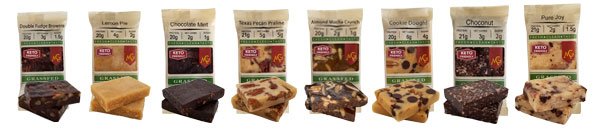
That’s why our fat bombs bring together thoughtfully selected ingredients, including grass-fed collagen peptides, cocoa butter, grass-fed ghee, almonds, and low-carb sweeteners, to create something that’s rich, indulgent, and packed with flavor.
Unlike traditional candy, MariGold Fat Bombs combine fats with added collagen protein and are designed to keep net carbohydrates low.
And while these aren’t meant to replace a balanced meal or a complete protein source, they’re a delicious way to enjoy a little sweetness with ingredients you can actually recognize.

A Closer Look at Three MariGold Favorites
Here’s how three of our flavors compare based on their product nutrition labels:
| Flavor | Calories | Total Fat | Protein | Net Carbs |
|---|---|---|---|---|
| Danish Butter Cookie | 169 | 15 g | 7 g | <1 g |
| Chocolate Chip Cookie Dough | 165 | 15 g | 7 g | <1 g |
| Chocolate Pecan Crisp | 190 | 16 g | 7 g | 1 g |
Nutrition values are per fat bomb, based on the product labels supplied for this article. Net carbohydrates are calculated values and may differ from total carbohydrates.
All three feature collagen, along with ingredients that create the smooth texture and buttery richness fat bomb lovers appreciate.
They’re also conveniently portioned, making them an easy option for an afternoon treat, an after-dinner dessert, or something delicious to keep on hand when a chocolate craving strikes.
Because they contain nuts and milk-derived ingredients, be sure to check individual product labels for allergen information.
How to Choose a Fat Bomb That Fits Your Goals
Whether you’re shopping for fat bombs or making your own, a little attention to the ingredient list goes a long way.
Here are a few things worth checking:
- Look at the fat sources. Different fats have different nutritional profiles. Ingredients such as cocoa butter, nut butters, coconut oil, and ghee each contribute their own flavor, texture, and fatty acid composition.
- Check the sweeteners. If you’re limiting added sugar, look for ingredients such as allulose or stevia and review the total carbohydrate content.
- Notice the protein. Fat bombs made with collagen or other added proteins provide something extra compared with recipes made exclusively from fats.
- Pay attention to portions. Since fat is calorie-dense, serving sizes matter even when a snack is low in carbohydrates.
- Don’t overlook saturated fat. Many popular fat bomb ingredients contain saturated fat, so consider the amount alongside the rest of your daily diet.
- Read the full ingredient list. Look for ingredients that fit your preferences and check for allergens or other dietary restrictions.
One other detail worth understanding is the term “net carbs.” Unlike total carbohydrates, net carbs aren’t a standardized FDA-defined nutrition label measurement. Manufacturers generally calculate them by subtracting certain carbohydrates, such as fiber and allulose, from total carbohydrates.
If you closely monitor carbohydrate intake, particularly for diabetes management, it’s helpful to look at the complete nutrition label rather than relying on net carbs alone.
How Many Fat Bombs Can You Enjoy?
There’s no universal rule that says you should eat a specific number of fat bombs per day.
The right amount depends on your calorie needs, dietary preferences, health goals, and what else you’re eating.
For many people, one fat bomb makes a perfectly enjoyable little treat. Others may prefer to include one alongside a snack or dessert.
Because common ingredients like coconut oil, cocoa butter, and ghee contain saturated fat, it’s wise to keep your total daily intake in mind. Long-standing dietary guidance has recommended limiting saturated fat to less than 10% of daily calories, although individual recommendations may differ based on cardiovascular health and other factors.
The goal isn’t to make every snack a complicated math problem. It’s simply to be aware of portions and enjoy fat bombs as one part of a varied, balanced eating pattern.
Delicious Ways to Enjoy Fat Bombs
One of the best things about fat bombs is how easily they fit into everyday life. There’s no special preparation, fancy equipment, or complicated recipe required when you’ve already got some on hand.
Here are a few of our favorite ways to enjoy them:
- With your afternoon coffee: A little chocolate or buttery sweetness pairs beautifully with a warm cup of coffee.
- After dinner: When you want dessert but don’t necessarily want a big slice of cake, a fat bomb can be just the right amount of indulgence.
- As a low-carb treat: Keep a few available for those moments when you’re craving something sweet but want to stick with your carbohydrate goals.
- For a little variety: Different flavors and textures can make a low-carb eating routine more enjoyable.
Prefer making your own? We’ve got a couple of delicious recipes worth trying, too. Our Hot Cocoa Collagen Coconut Bites and Keto Chocolate Peanut Butter Cups are great ways to experiment with low-carb ingredients and create something special right in your own kitchen.
Just remember that fat bombs made with ingredients like coconut oil and cocoa butter can soften or melt in warm temperatures, so always follow storage recommendations.
So, Are Fat Bombs Worth It?
We think there’s definitely room for a little indulgence in a healthy lifestyle, especially when you can choose ingredients that align with your goals.
Fat bombs aren’t magic weight-loss snacks, and they don’t have to be. Their appeal is much simpler: they’re rich, flavorful, convenient, and can offer a lower-sugar alternative to conventional desserts.
Choose ones made with ingredients you enjoy, pay attention to portions, and consider how they fit into your overall nutrition.
And if you can get a delicious bite of chocolate along with some grass-fed collagen protein? Well, that’s a pretty sweet bonus.
Sources & Further Reading
- Healthline: 30 Delicious and Healthy Keto Snacks
- Healthline: Understanding Net Carbs
- MedlinePlus (NIH): Facts About Saturated Fats
- FDA: Guidance on Allulose and Nutrition Labeling
- Żurawski and Bartosiewicz, Nutrients (2026): Ketogenic Diets and Weight Loss
- Bueno et al., British Journal of Nutrition (2013): Very-Low-Carbohydrate Ketogenic Diets
- Warrilow et al., European Journal of Clinical Nutrition (2019): Dietary Fat and Satiety
- Leidy et al., American Journal of Clinical Nutrition (2015): Dietary Protein and Appetite
FREQUENTLY ASKED QUESTIONS
The essentials you need to know about Fat Bombs
What is a fat bomb for weight loss?
A fat bomb is a small, high-fat, low-carb snack that can fit into a weight management plan, especially if you’re following a ketogenic diet. While fat bombs don’t directly burn body fat, they offer a rich, satisfying alternative to traditional sugary treats. The key is enjoying them in portions that fit your overall nutritional goals.
Do keto fat bombs work?
Yes! Keto fat bombs are designed to provide a convenient, low-carb way to enjoy healthy fats while keeping carbohydrate intake low. They’re especially popular for satisfying sweet cravings without the added sugar found in many traditional desserts. While they aren’t a shortcut to weight loss or ketosis, they can make sticking to a low-carb lifestyle a little more enjoyable.
Are keto fat bombs healthy?
Keto fat bombs can absolutely be part of a balanced diet! It comes down to their ingredients, portion sizes, and your individual nutritional needs. Look for quality ingredients and options with minimal added sugar. MariGold Fat Bombs go a step further by combining cocoa butter, grass-fed ghee, and grass-fed collagen peptides for a delicious low-carb treat with added protein. Since many fat bombs contain saturated fat, moderation still matters.
How many keto fat bombs should you eat a day?
There’s no one-size-fits-all answer! Many people enjoy one fat bomb as an afternoon snack or after-dinner treat. The ideal amount depends on your daily calorie needs, nutritional goals, and the ingredients in your fat bombs. Because they’re naturally rich and calorie-dense, checking the serving size and nutrition label helps you enjoy them as part of a balanced eating plan.
How often should you eat fat bombs on keto?
You can enjoy fat bombs whenever they fit your keto meal plan and daily nutritional goals. Some people enjoy them as an occasional dessert, while others include them more regularly as a convenient low-carb snack. There’s no required frequency, so the best approach is to consider your overall calorie and saturated fat intake and enjoy them in portions that work for you.
What are the ingredients in a 3-ingredient fat bomb?
A simple 3-ingredient fat bomb typically combines a fat source, a flavor ingredient, and a low-carb sweetener. For example, coconut oil, unsweetened cocoa powder, and stevia can make an easy chocolate fat bomb. For something with additional protein, try recipes that incorporate collagen peptides. MariGold Fat Bombs take the concept further with a delicious combination of carefully selected fats, low-carb sweeteners, and grass-fed collagen.
What's the benefit of collagen in fat bombs?
Traditional fat bombs are primarily made from fats, but adding collagen peptides provides an extra source of protein. Collagen contains amino acids such as glycine and proline, which are important building blocks of the body’s connective tissues. MariGold Fat Bombs combine grass-fed collagen with rich, flavorful ingredients, giving you a delicious low-carb treat with the added benefit of protein.
A Little Indulgence, the MariGold Way
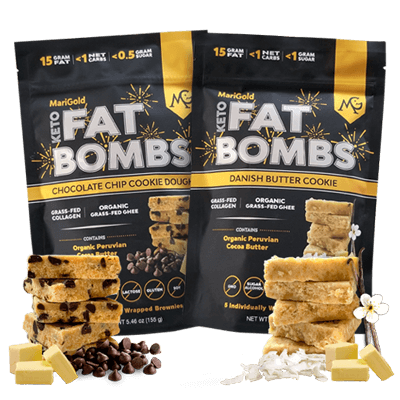
Rich, delicious, and made with grass-fed collagen and thoughtfully selected ingredients. Treat yourself to something sweet without all the sugar!