Walk down any grocery store aisle and you’ll see shelves stacked with protein and snack bars. They’re marketed as “clean fuel,” “gut healthy,” or “all-natural energy.” The packaging is shiny, the claims are bold, and it feels like you’re making a smart choice.
But here’s the catch: are healthy snack bars gut friendly, or are they secretly working against your digestion?
Even when they’re gluten-free, high-protein, or labeled as keto, many are filled with ingredients that irritate digestion, spike blood sugar, or fuel inflammation. If you’ve ever had a protein bar and then felt bloated, gassy, or sluggish afterward, you’ve probably wondered the same thing.
Let’s take a closer look at what makes some bars less than gut friendly.
Why Many “Healthy” Snack Bars Aren’t Gut Friendly
1. Sugar Alcohols
Erythritol, maltitol, sorbitol, xylitol — all common in “keto” bars. These keep carbs low but:
- Ferment in the gut, leading to bloating, cramping, and gas.
- Act like a laxative in larger amounts.
- Can disrupt the microbiome.
So while they help the label look appealing, they don’t make healthy snack bars gut friendly.
2. Soy Protein Isolate
Soy protein is cheap and adds bulk protein to bars — but it’s not ideal for gut health.
- Often GMO and heavily processed.
- Contains lectins and phytates that irritate digestion.
- Can mimic estrogen, impacting hormone balance.
If soy is the main protein source, it’s hard to call those bars gut friendly.
3. Inulin and Chicory Root Fiber
These are added to boost fiber counts, but they come with digestive downsides.
- Quickly ferment in the gut.
- Cause bloating and cramping, especially in IBS sufferers.
That “fiber boost” may be exactly why many healthy snack bars aren’t gut friendly at all.
4. Artificial Sweeteners & Flavors
Sucralose, aspartame, or vague “natural flavors” often sneak in.
- Disrupt healthy gut bacteria.
- Can confuse blood sugar responses.
For a bar claiming to be “clean,” this is anything but gut friendly.
5. Filler Fibers and Gums
Acacia gum, guar gum, tapioca fiber, cellulose powder…
- Used to bulk up texture.
- Often leave sensitive guts bloated and uncomfortable.
Proof that not all “healthy” snack bars are truly gut friendly.
What Makes Snack Bars Gut Friendly?
So, are healthy snack bars gut friendly? The answer depends on the ingredient list. True gut-friendly bars avoid common irritants and focus on:
- Non-GMO, filler-free ingredients
- Soy-free, low-lactose protein
- No sugar alcohols or artificial sweeteners
- Clean protein sources your body can actually absorb
That’s where MariGold takes a different approach.

MariGold: Truly Gut Friendly Protein Snacks
We designed our products to be gut friendly from the ground up:
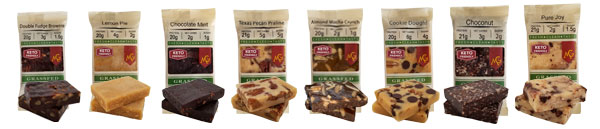
- Protein Bars powered by grass-fed whey isolate — no soy, no fillers, no sugar alcohols.
- Fat Bombs made with collagen peptides + healthy fats like cocoa butter, coconut oil, and ghee.
- Protein Coffees blended with whey isolate or collagen peptides and organic arabica beans for a smooth, gut-friendly energy boost.
Unlike most “healthy” bars, MariGold snacks are:
- Gluten-free, grain-free, soy-free
- Non-GMO and sugar alcohol-free
- Blood sugar friendly and easy to digest
Simple Ways to Enjoy MariGold Every Day
- Post-workout: a whey isolate Protein Bar that supports recovery without the bloat.
- Morning: a Collagen Protein Coffee to start the day calm and energized.
- Afternoon: a Fat Bomb for steady energy and a satisfying, gut-friendly treat.
- Anytime: mix unflavored collagen into oatmeal, soups, or smoothies.
So the next time you ask yourself “Are healthy snack bars gut friendly?” — know that with the right ingredients, they can be. And with MariGold, they are.