Target’s latest cereal announcement is getting a lot of attention, and honestly, it makes sense. When a major retailer says that by the end of May all the cereal it sells will be made without certified synthetic colors, people notice.
And for many shoppers, especially parents, it raises a bigger question: are synthetic food dyes finally becoming too controversial for brands to ignore?
What Target Actually Announced
The short answer is that something is definitely shifting.
Target says this change applies to all cereal sold in its stores and online, including both national brands and its own products. The company framed the decision around consumer demand, saying families are increasingly looking for options that feel healthier and simpler.
In other words, this is not just a regulatory story. It is also a market story. Retailers are seeing where shoppers are headed and adjusting accordingly.
There’s Also a Policy Shift Happening
At the same time, there is real policy momentum building in the background.
In April 2025, HHS and the FDA announced a national effort to move the food industry away from petroleum-based synthetic dyes, with a stated goal of eliminating six commonly used dyes from the food supply by the end of 2026.
That does not mean every synthetic dye has already been banned, and it does not mean the science is fully settled in every direction. But it does show that this conversation has moved far beyond niche wellness circles. It is now part of mainstream food policy.
Why Food Dyes Are Getting So Much Attention
One reason this topic keeps gaining traction is that the concern is not just about color itself.
It is about what these additives often represent: highly engineered, highly marketed foods designed to look brighter, more fun, and more appealing – especially to kids.
FDA notes that color additives can serve several functions, like restoring lost color or making foods more visually consistent. But in real-world use, synthetic dyes are most commonly found in ultra-processed foods where appearance plays a big role in appeal.
What the Research Actually Says (Behavior & Kids)

This is where the strongest evidence exists – and also where nuance matters.
California’s OEHHA concluded that synthetic food dyes can cause hyperactivity and other neurobehavioral effects in some children. Reviews of the research have also found an association between synthetic dyes and attention-related impacts.
But – and this is important – not every child responds the same way. Sensitivity varies, and the effects are generally described as modest, not extreme.
So the most accurate takeaway is this: for some children, these dyes may contribute to behavioral challenges. But they are not universally harmful in the same way for everyone.
The Cancer Question: Where Things Get Overstated
This is where social media tends to oversimplify things.
You will often see claims that synthetic food dyes are “linked to cancer,” but that wording flattens a much more complex picture.
There are ongoing research questions, including animal studies and discussions about contaminants or long-term exposure. But current regulatory agencies do not classify commonly used dyes like Red 40 as carcinogens.
That does not mean the conversation is closed – but it does mean we should be careful not to overstate what has actually been proven.
Why Europe Keeps Coming Up in This Conversation
Another reason this topic doesn’t go away is the comparison to Europe.
In the EU, foods containing six specific synthetic dyes must include a warning label stating they “may have an adverse effect on activity and attention in children.”
That does not mean every dye is banned there. In many cases, the difference is how risk is communicated, not whether the ingredient is allowed at all.
Still, the presence of those labels signals a more precautionary approach – one that continues to influence how consumers think about these ingredients.
What This Means for the Grocery Aisle
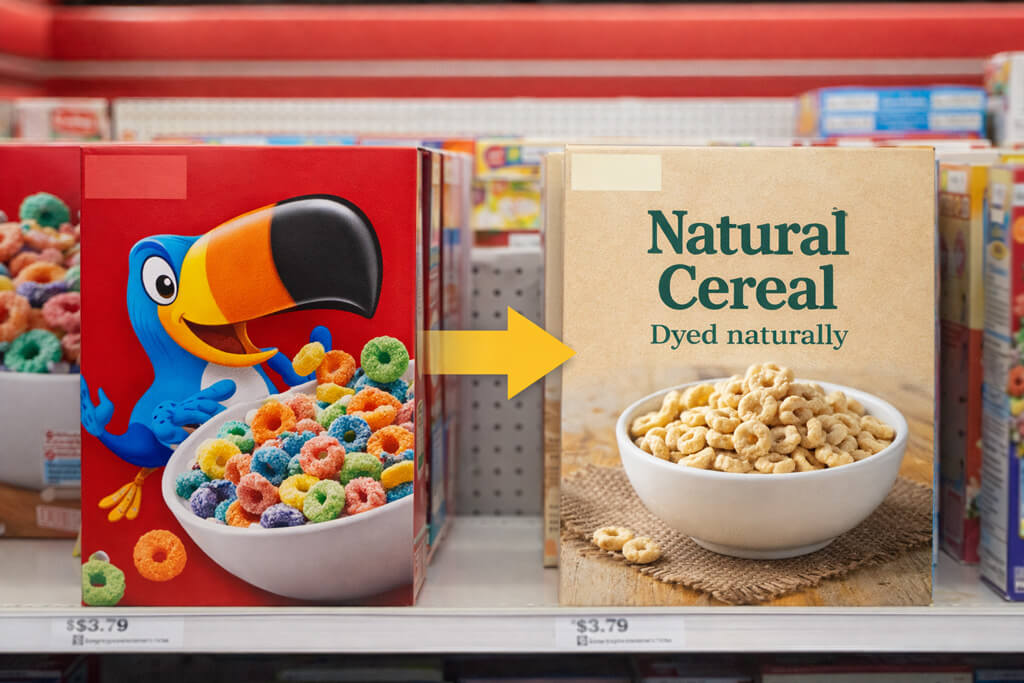
Target’s move may not settle the science, but it does something else: it shifts what becomes normal.
Once a major retailer decides synthetic dyes are not worth the tradeoff in a category like cereal, other brands tend to follow. Reformulation becomes more common. Cleaner alternatives become easier to justify.
And the idea that brightly colored cereals require synthetic dyes to sell starts to feel less convincing.
The Bigger Picture (And Where MariGold Fits In)
From MariGold’s perspective, this is part of a broader shift in how people think about food.
Consumers are asking more questions – not because they expect perfection, but because they want transparency. They want to understand why ingredients are there, not just whether they are technically allowed.
That does not mean every synthetic ingredient is inherently harmful. But it does mean many people are rethinking whether certain additives are necessary at all.
And maybe that is the real takeaway here.
Target’s decision does not prove that synthetic food dyes are dangerous across the board. But it does reflect a growing demand for simpler, more thoughtful ingredient choices – and that is a conversation worth paying attention to.
A Different Approach to Ingredients
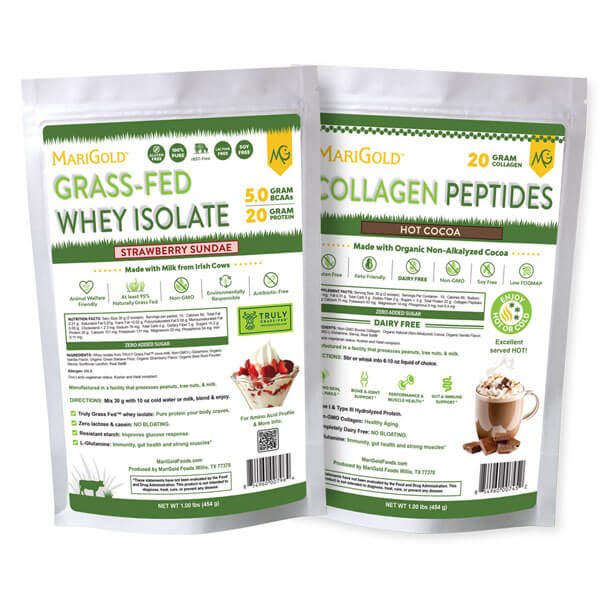
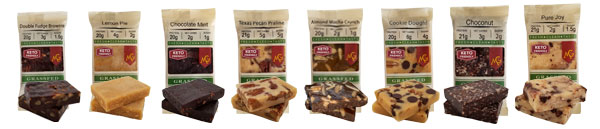
As more people start asking questions about what’s in their food, we’ve stayed focused on one thing: keeping it simple.
No synthetic dyes. No unnecessary extras. Just ingredients chosen for how they support your body.
Take a closer look at how we do things: