Most people think aging starts with wrinkles, gray hair, or a slower metabolism.
But one of the most important changes happening inside the body after 35 is something far less visible: gradual muscle loss.
And it doesn’t just affect strength.
Muscle plays a major role in blood sugar regulation, energy production, metabolism, mobility, recovery, hormone health, and even long-term brain function. Yet many people don’t realize they’re losing it until the effects start showing up in everyday life – feeling weaker, recovering slower, struggling with energy, or finding it harder to maintain a healthy weight despite eating “pretty well.”
The surprising part? Muscle loss can begin earlier than most people think.
Muscle Is More Than Just “Fitness”
When most people hear the word “muscle,” they picture athletes, bodybuilders, or intense gym workouts.
But muscle is far more than appearance or athletic performance.
Skeletal muscle acts almost like a metabolic engine for the body. It helps regulate glucose, supports insulin sensitivity, stores amino acids for repair and immune function, and plays a major role in how efficiently the body uses energy.
In fact, muscle tissue is one of the body’s largest sites for glucose disposal. That means healthy muscle helps absorb and utilize blood sugar after meals more effectively.
When muscle mass gradually declines, the body often becomes less metabolically resilient over time.
This is one reason why muscle health is now being discussed more frequently in conversations around:
- healthy aging
- blood sugar balance
- longevity
- mobility
- cognitive health
- recovery and resilience
It’s not just about looking fit. It’s about staying functional and metabolically strong as the years go on.
Why Muscle Loss Starts Earlier Than Most People Realize
Many people assume significant muscle loss only happens in old age.
But research suggests adults can begin gradually losing muscle mass as early as their 30s, especially when paired with modern lifestyle factors like:
- sitting most of the day
- chronic stress
- poor sleep
- low protein intake
- repeated dieting cycles
- minimal resistance training
- highly processed diets
For women, hormonal shifts during perimenopause and menopause can accelerate the process even further.
The problem is that muscle loss tends to happen slowly. You usually don’t notice it week to week.
Instead, it shows up subtly over time:
- workouts feel harder
- recovery takes longer
- energy dips more often
- balance and strength decrease
- cravings increase
- blood sugar feels less stable
- aches and stiffness become more common
Many people simply assume this is “normal aging.”
But often, it’s partially a reflection of declining muscle quality and recovery capacity.
The Symptoms People Often Blame on “Getting Older”
One reason this topic matters so much is because muscle influences far more systems in the body than people realize.
Low muscle mass or poor muscle quality can contribute to:
- reduced metabolic flexibility
- lower daily energy expenditure
- decreased insulin sensitivity
- slower recovery from exercise or stress
- increased fatigue
- joint instability
- lower resilience during illness or stress
- reduced mobility later in life
There’s also growing interest in the connection between muscle health and brain health.
Muscle tissue produces signaling compounds called myokines during movement and exercise. Researchers are increasingly exploring how these compounds may support inflammation regulation, cognitive function, and healthy aging overall.
In other words, muscle isn’t just mechanical tissue – it’s biologically active tissue.
Why Protein Quality Matters More With Age
As we get older, the body becomes less efficient at stimulating muscle protein synthesis from meals. This phenomenon is sometimes called “anabolic resistance.”
That means protein quality matters more than ever.
Not all proteins provide the same amino acid profile or biological impact.
For example, whey protein isolate is naturally rich in leucine, one of the key amino acids involved in signaling muscle protein synthesis. High-quality whey also provides highly bioavailable essential amino acids that support recovery, maintenance of lean mass, and metabolic health.
Collagen peptides serve a different – but complementary – role.
While collagen is not a complete protein for muscle building on its own, it provides important structural amino acids like glycine and proline that support connective tissues, joints, skin, and recovery. That can become especially important as people age and want to stay active comfortably.
This is one reason many people are combining both:
- whey isolate for muscle support and metabolic health
- collagen peptides for connective tissue and recovery support
The goal isn’t extreme fitness.
It’s maintaining strength, mobility, and resilience for the long term.
Muscle Is Also a Longevity Issue
One of the strongest predictors of healthy aging isn’t simply body weight.
It’s maintaining strength and muscle function over time.
Studies consistently show that muscle mass and grip strength are associated with mobility, independence, metabolic health, and overall quality of life later in life.
That doesn’t mean everyone needs intense workouts or hours in the gym.
In many cases, the biggest wins come from simple habits done consistently:
- prioritizing adequate protein
- walking daily
- resistance training a few times per week
- improving sleep quality
- supporting recovery instead of constantly under-eating
- reducing ultra-processed foods
- staying physically active throughout the day
Small habits compound over time – both positively and negatively.
Recovery May Be the Real Anti-Aging Strategy
For years, most conversations around aging focused heavily on appearance.
But more people are beginning to realize that healthy aging is deeply connected to recovery capacity.
How well does the body repair itself?
How resilient is it to stress?
Can it maintain strength, stability, and energy over time?
Muscle plays a central role in all of those questions.
And unlike many aspects of aging, muscle health is something we can actively support through nutrition, movement, sleep, and recovery-focused habits.
The earlier those habits begin, the more powerful their long-term impact may become.
At MariGold, we believe supporting healthy aging starts with giving the body high-quality nutrition it can actually use. That’s why our grass-fed whey isolate proteins and collagen peptides are designed to support recovery, strength, and real-food wellness—without artificial fillers, sugar alcohols, or unnecessary additives.
Because aging well isn’t just about looking younger.
It’s about staying strong, capable, and vibrant for the life you want to keep living.
Support Strength From the Inside Out
Healthy aging isn’t just about appearance—it’s about maintaining the strength, energy, mobility, and resilience to keep doing the things you love.
That’s why we focus on clean, high-quality protein your body can actually use.
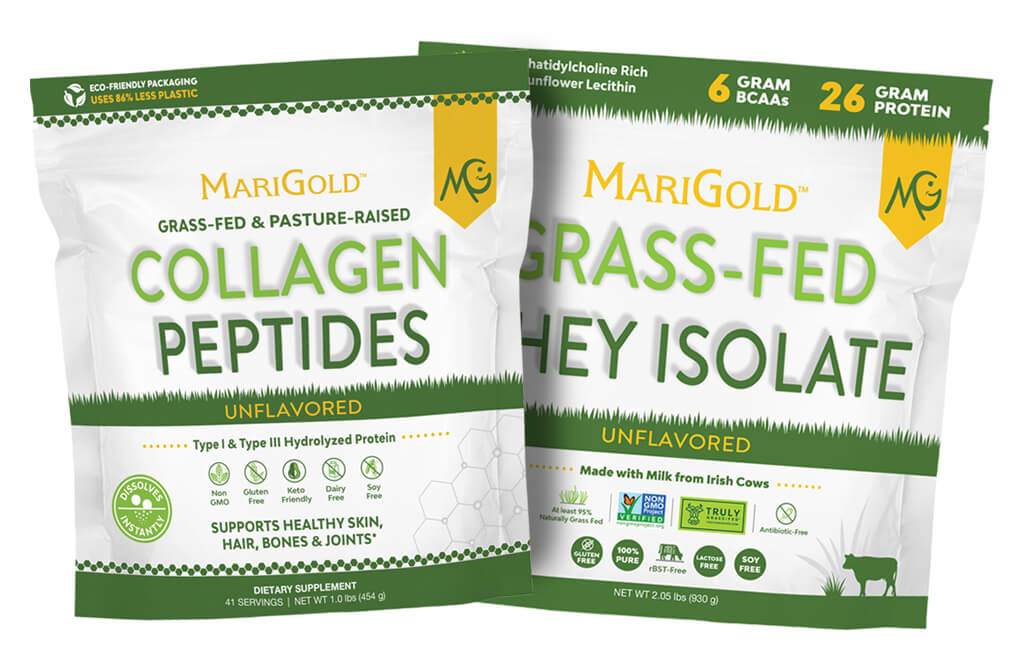
MariGold’s Grass-fed Whey Isolate Proteins deliver highly bioavailable amino acids to help support muscle maintenance, recovery, and metabolic health, while our Collagen Peptides provide key structural nutrients that support joints, connective tissue, and active living.
No artificial fillers.
No sugar alcohols.
No unnecessary additives.
Just real-food nutrition designed to help you stay strong, capable, and vibrant for the long haul.