


Following a lectin-free diet can make everyday food choices a little confusing. You may already know that certain beans and grains are restricted in some lectin-free eating plans, but what about foods like milk, peanuts, and potatoes?
Some of these foods contain lectins, while others are restricted for different reasons. And although lectins have earned a controversial reputation, not all lectins behave the same way. How foods are prepared can make a significant difference, too.
Let’s take a closer look at three foods commonly questioned on lectin-free diets, what the research actually tells us, and some alternatives worth considering.
1. Milk and Dairy: Does Milk Have Lectins?
Milk is one of the most confusing subjects when it comes to lectin-free eating. Some popular dietary plans recommend avoiding certain dairy products, particularly those containing A1 beta-casein. But there’s an important distinction to understand: casein is a milk protein, not a lectin.
So why is dairy sometimes restricted on a lectin-free diet?
What’s the Difference Between A1 and A2 Casein?
Casein makes up the majority of the protein in cow’s milk. One of its main components, beta-casein, has different genetic variants, including A1 and A2.
Some research has investigated whether these variants affect digestion differently. During digestion, A1 beta-casein can release a peptide called beta-casomorphin-7 (BCM-7), which has been studied for possible gastrointestinal effects. However, evidence for broader health benefits from choosing A2 milk remains limited.
While some lectin-restricted dietary plans favor A2 dairy, A1 and A2 casein are not themselves lectins. Avoiding A1 dairy is a separate dietary choice from reducing lectin intake.
Does A2 Milk Have Lectins?
A2 milk contains A2 beta-casein rather than A1 beta-casein. That distinction does not establish whether a milk product is completely free of every carbohydrate-binding protein, and it doesn’t make A2 milk lactose-free.
For someone following a specific diet that permits A2 dairy, it may be an option worth exploring. However, anyone with a cow’s milk protein allergy should avoid both A1 and A2 cow’s milk, because both contain milk proteins capable of triggering allergic reactions.
Is Almond Milk Lectin-Free?
Almond milk is a popular dairy-free alternative, especially among people following plant-based or lactose-free diets. But does that automatically make it lectin-free?
Not necessarily. Almonds contain various naturally occurring plant compounds, and the amount remaining in a finished almond milk can depend on how it’s manufactured, including soaking, blending, filtering, and heating.
There isn’t enough consistent testing of commercial almond milk products to classify every brand as completely lectin-free.
If you’re following a strict dietary protocol, check the ingredients and the specific guidelines of that plan. Unsweetened almond milk may work well for some people, while others may prefer a different alternative.
What About Other Milk Alternatives?
Coconut milk, cashew milk, and other plant-based alternatives are also commonly discussed in lectin-restricted diets.
Coconut milk is often included in lectin-free meal plans. Cashews, on the other hand, are restricted in some versions of these diets. But these recommendations can reflect a particular diet’s rules rather than strong evidence that an ingredient is harmful when eaten normally.
The best choice depends on your dietary needs, any food allergies, and the ingredients in the finished product.
2. Peanuts: Are They High in Lectins?
Peanuts are a convenient source of protein, healthy fats, and important nutrients. They’re also technically legumes, not tree nuts.
Like other legumes, peanuts contain lectins. This is one reason some lectin-free diet plans recommend limiting or avoiding peanuts and peanut butter.
But it’s important to put that recommendation into perspective. The presence of lectins doesn’t automatically mean a food is unhealthy. Many foods containing lectins also provide valuable nutrients, including fiber, protein, vitamins, and minerals.
Research on the potential negative effects of dietary lectins is limited, particularly when it comes to the amounts people typically consume in properly prepared foods.
What Can You Eat Instead of Peanuts?
If your preferred lectin-free eating plan excludes peanuts, there are other ways to add flavor and texture to your meals.
- Blanched almonds: Used in some lectin-restricted eating plans, depending on the protocol.
- Macadamia nuts: A popular option for snacking or making nut butter.
- Coconut: Unsweetened coconut flakes and coconut-based products can add texture and flavor.
Remember that different lectin-free plans have different rules. It’s worth reviewing individual ingredients instead of assuming that all nuts and seeds belong in the same category.
3. Potatoes: Do They Contain Lectins?
Potatoes are another food commonly avoided in strict lectin-free diets, particularly plans that restrict nightshade vegetables.
Potatoes contain a variety of naturally occurring plant compounds, including lectin-like proteins. However, their presence alone doesn’t establish that eating properly prepared potatoes is harmful.
Preparation matters. Cooking can reduce the activity of many food lectins, although the amount varies depending on the particular lectin and cooking method.
There is no reliable universal percentage that tells us how much lectin activity is removed from every type of potato through ordinary cooking.
What About Potato Alternatives?
If you’re following a plan that limits white potatoes, alternatives may include:
- Cauliflower: Mashed, roasted, or blended into soups.
- Turnips: Roasted or mashed for a hearty side dish.
- Rutabaga: An option for roasted vegetables or comforting purées.
- Sweet potatoes: Permitted in some lectin-restricted eating plans, although individual protocols vary.
For people who aren’t following a medically necessary restriction, potatoes can still fit into a balanced diet. How they’re cooked, portion size, and the overall meal matter more than avoiding them simply because they contain plant compounds.
Can Cooking Reduce Lectins in Food?
Yes! One of the most important things to understand about lectins is that food preparation can significantly change their activity.
Many lectins are sensitive to moist, high-heat cooking methods such as boiling. Soaking and cooking legumes properly can substantially reduce active lectins, although the results depend on the food and preparation method.
Raw or undercooked kidney beans are a particularly important example. They contain a lectin called phytohaemagglutinin that can cause significant gastrointestinal symptoms if the beans aren’t properly cooked. A low-temperature slow cooker alone may not reach temperatures sufficient to deactivate it.
That doesn’t mean every food containing lectins presents the same risk. In fact, many lectin-containing foods, including legumes and whole grains, are associated with positive long-term health outcomes.
For most people, properly preparing foods and eating a varied diet is more beneficial than eliminating entire food groups unnecessarily.
Frequently Asked Questions About Lectins
Does milk contain lectins?
Cow’s milk contains proteins such as casein and whey, but casein itself is not a lectin. Some lectin-restricted eating plans avoid conventional dairy because of A1 beta-casein, which is a separate issue from lectin content.
Is almond milk lectin-free?
It’s difficult to label all almond milk as completely lectin-free. The final composition varies based on ingredients and processing. If you’re following a strict lectin-free eating plan, check whether almond milk is permitted under that specific protocol.
Does A2 milk contain lectins?
A2 milk contains a different beta-casein variant from conventional A1-containing milk. That doesn’t automatically determine its lectin content. A2 milk still contains dairy proteins and lactose, and it isn’t suitable for people with cow’s milk protein allergies.
Do cashews contain lectins?
Cashews contain naturally occurring plant compounds and are excluded by some lectin-restricted diets. However, evidence doesn’t establish that ordinary consumption of properly processed cashews is harmful for most people. Their suitability depends on individual dietary restrictions and allergies.
Are potatoes bad for a lectin-free diet?
Some strict lectin-free plans exclude white potatoes because they’re nightshades. Potatoes do contain lectin-like proteins, but that doesn’t mean they’re inherently unhealthy. Cooking and individual dietary needs are important considerations.
Do you need to avoid all lectins?
For most people, no. Many nutritious foods naturally contain lectins, and cooking can greatly reduce the activity of certain lectins. A restrictive diet should ideally be based on individual needs rather than the assumption that all lectins are harmful.
Finding Snacks That Fit Your Dietary Preferences
Following a specialized eating plan often means paying closer attention to ingredient lists, especially when choosing convenient snacks.
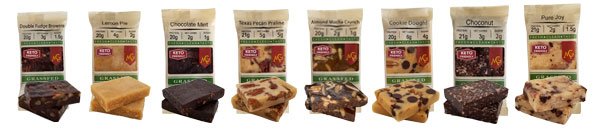
At MariGold, we believe snacking should be both satisfying and straightforward. Our protein bars are handcrafted with thoughtfully selected ingredients, and we offer options designed for customers following lectin-restricted eating plans.
Whether you’re looking for a convenient protein snack or simply want to explore ingredient-conscious options, our current selection makes it easy to find something delicious.
Explore MariGold’s Lectin-Free Snacks
Discover our current selection of protein bars and other snacks, including customer favorites like Pure Joy, Cookie Dough, ChunkyChoco Pecan, and Texas Pecan Praline.
The Bottom Line
Lectin-free eating can feel complicated, especially when popular diets offer conflicting advice about foods like milk, peanuts, and potatoes.
The key takeaway? Not every food containing lectins needs to be avoided, and not every food excluded by a lectin-free diet is restricted because it contains lectins.
Understanding the differences, reading ingredient labels, and choosing foods that work for your individual needs can make healthy eating feel a lot less overwhelming.
If you’re following a specialized eating plan for digestive concerns or another health condition, consult a qualified healthcare professional or registered dietitian before eliminating major food groups.





I just wish Marigold had more options with only 1 gm of sugar. Sugar is a source of inflammation. I also understand the need for the type of packaging, but wish there was a more environmentally friendly option, or a way to return/recycle those materials.
Thanks, Felicity. Very few of our products have “added” sugar. Most of the sugar is from sugar that occurs naturally in ingredients such as coconut and nuts.
And, we are looking into all available packaging options. I appreciate your concerns.
CORRECTION! ALMOND MILK CONTAINS LECTINS!!! It does if it is made from whole almonds. The skin on the almond nut is loaded with lectins
Some say that almond milk is strained in it’s production process and that doing so removes most of the lectins. Perhaps it varies.
I’m keeping my peanut butter. I grew up on it and am nearly 70 yrs old. It doesn’t bother me even if lactose does.
The prep of Almond Milk includes soaking and removing the skins, so am not worried. Been drinking it for years and cholesterol and gut discomfort (previous dairy,) is much improved.
There’s only 3 items on the list????
Whey protein in theory does not have Casein but some does make it through the cheese process. Actually depends on the type of cheese where the Whey comes from as well.
arrrrg..no peanut butter? no milk, at least from cows eh? what about goat milk? legumes are an important part of sustainable ag because they help fix nitrogen into the soil and reduce the need for industrial fertilizers, so removing them from crop rotations is a bummer.
Matthew, many people tolerate goat’s milk, and even and cow’s milk, just fine. Same for legumes.
But, for those with gut issues, these are often problematic.
You can have A2 milk. This includes goat milk, buffalo, and I believe sheep’s milk as well. Unfortunately, peanuts are one of the foods containing the highest amount of lectins.
And almonds contain lectins, unless they’re ‘skinless’.
Correct. That is why we use blanched, skinless almonds in our products.
Thanks for your feedback to help make sure everyone is aware.
The most common cow milk in the US I believe is Holstein which is A1, there are other breeds of cows that are A2.
Goat and sheep is A2 so you’re good there.
From this site: https://www.healthline.com/nutrition/a1-vs-a2-milk#definition
A1 beta-casein. Milk from breeds of cows that originated in northern Europe is generally high in A1 beta-casein. These breeds include Holstein, Friesian, Ayrshire, and British Shorthorn.
A2 beta-casein. Milk that is high in A2 beta-casein is mainly found in breeds that originated in the Channel Islands and southern France. These include Guernsey, Jersey, Charolais, and Limousin cows (1Trusted Source, 2Trusted Source).
Plant clover, which is a nitrogen fixing legume.
I’m keeping my peanut butter. I grew up on it and am nearly 70 yrs old. It doesn’t bother me even if lactose does.
Good and informative, but I would suggest that saying “some” people are affected by lectins is off the mark. The word “‘many” or even “most” are probably more accurate.
Anyway, I bring the Merigold bars with me on my bike rides and throughout my workday. They give me a great snack, as eating out has limited lectin free options.
I agree! Before I had heard about lectins I thought that the issues that I had were just a part of aging. That’s the lie that we are told by pundit parrots! The changes that have occurred in my body since managing my lectins is amazing! And what pisses me most is the government conspiracy to conceal the information!
I know what you mean. I experienced the same thing when I got rid of gluten and FODMAPS. We all need to learn what works best for our bodies.
Cashews are another big lectin “no-no”. Basically all vegetables in the nightshade family.
You are correct about cashews. That is why we don’t include cashews in our lectin free products. However, cashews have other redeeming qualities and many people enjoy them.
Are cashews from the nightshade family?!
No, cashews are not nightshades. Actually, they are considered as an anti-inflammatory food.
Where can I buy marigold bars?
Hi Jane,
You can purchase from our website, on Amazon, or at these retailers: RETAIL LOCATIONS
I began the Plant Paradox dioet (lifestyle???) a few months back, and searched high and low for a quick snack protein style bar to support that lectin-free approach; no luck…until I stumbled upon Marigold! WOW, am I ever happy with those delicious and quality bars! I began with the “sampler” pack to taste as many options as I could, and my 2nd order settled on my two faves, “Macarooned,” and “Chocolate Mint.” I feel like eating them is a “guilty pleasure,” but I know I am safely lectin-free with them, and I now have a great in-between meals, or extra protein boost when I need it! Thanks, Marigold; “5 stars”!