Walk down the snack aisle and you’ll see something interesting happening on ingredient labels. More and more products are swapping out synthetic dyes for colors derived from real foods.
Now the trend just got a big regulatory push.
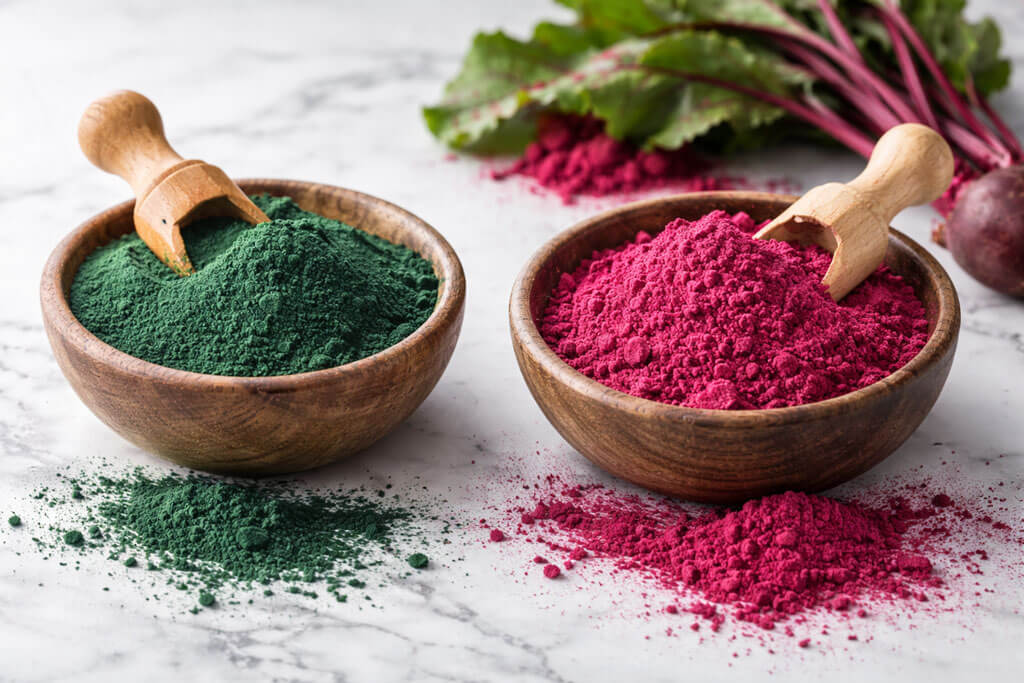
In February 2026, the U.S. Food and Drug Administration approved two natural color additives for broader food use:
- Beetroot red – a reddish-purple pigment derived from beets
- Spirulina extract – a blue-green pigment sourced from algae
While both ingredients had already appeared in limited applications, the FDA’s new approvals significantly expand where they can be used in foods. This move helps food manufacturers replace petroleum-based synthetic dyes with plant-derived alternatives across products like candies, beverages, cereals, dairy foods, condiments, and more.
For consumers who have been watching the ingredient lists of their favorite foods, it’s a small but meaningful step toward cleaner labels.
Why the Shift Away From Synthetic Food Dyes?
For decades, many brightly colored foods have relied on synthetic dyes made from petroleum derivatives.
Some of the most common include:
- Red 3
- Red 40
- Yellow 5
- Yellow 6
- Blue 1
- Blue 2
These artificial dyes have been widely debated due to potential health concerns. Research and regulatory discussions have linked certain dyes to:
- Hyperactivity and behavioral effects in children
- Allergic reactions in sensitive individuals
- Possible long-term health concerns depending on exposure levels
While regulatory agencies continue to evaluate the science, many food companies have already started moving toward natural alternatives simply because consumers are asking for them.
And now, thanks to the FDA’s updated guidance, companies that use natural color additives like beetroot red or spirulina extract may also be able to label products “No Artificial Colors.”
That’s a big shift for the clean-label movement.
What Exactly Is Beetroot Red?
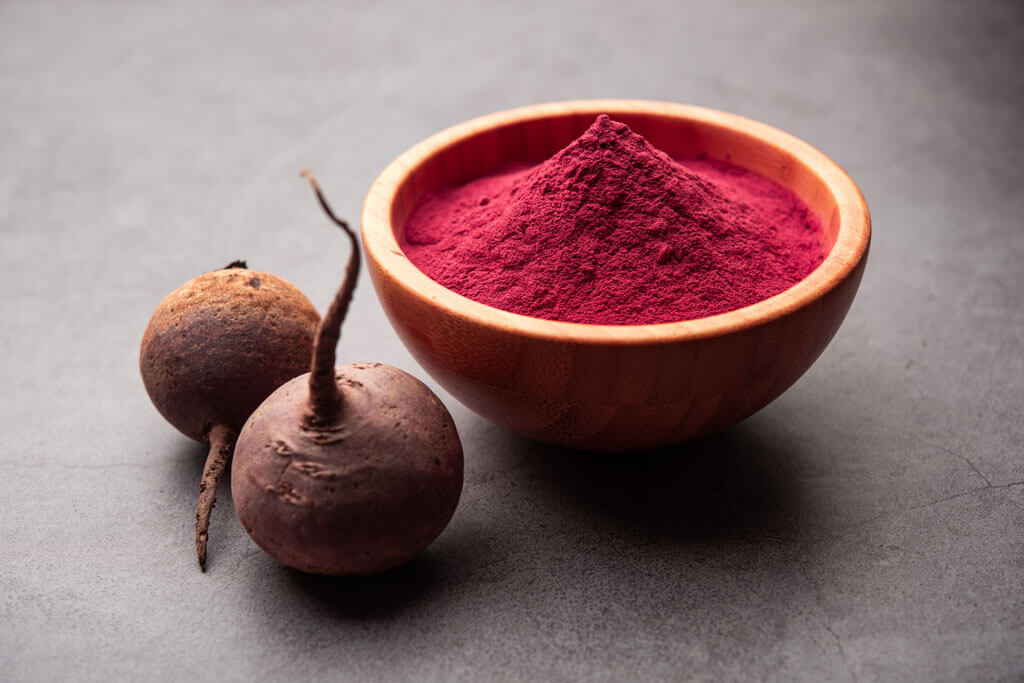
Beetroot red is derived from the pigments naturally found in beets, known as betalains.
These pigments produce the deep ruby color you see when slicing a beet or blending them into smoothies. When concentrated into powders or extracts, they create a vibrant reddish-purple hue that works well in foods like:
- Ice cream and dairy products
- Fruit snacks and candies
- Yogurt
- Beverages
- Protein powders
Unlike synthetic dyes, beetroot pigments come from a real vegetable and contain naturally occurring plant compounds.
Even though the amount used for coloring foods is typically small, beets themselves are known for providing several beneficial nutrients and plant compounds.
Beetroot’s Functional Compounds
Beets are naturally rich in:
- Nitrates that support circulation and blood flow
- Betalain antioxidants that help combat oxidative stress
- Polyphenols that support cardiovascular health
These compounds are one reason beetroot powders and juices are often used by athletes to support endurance and oxygen efficiency.
While the color additive itself is used in small amounts, its origin from a real vegetable represents a meaningful step away from petroleum-derived dyes.
Spirulina: A Natural Blue-Green Color From Algae
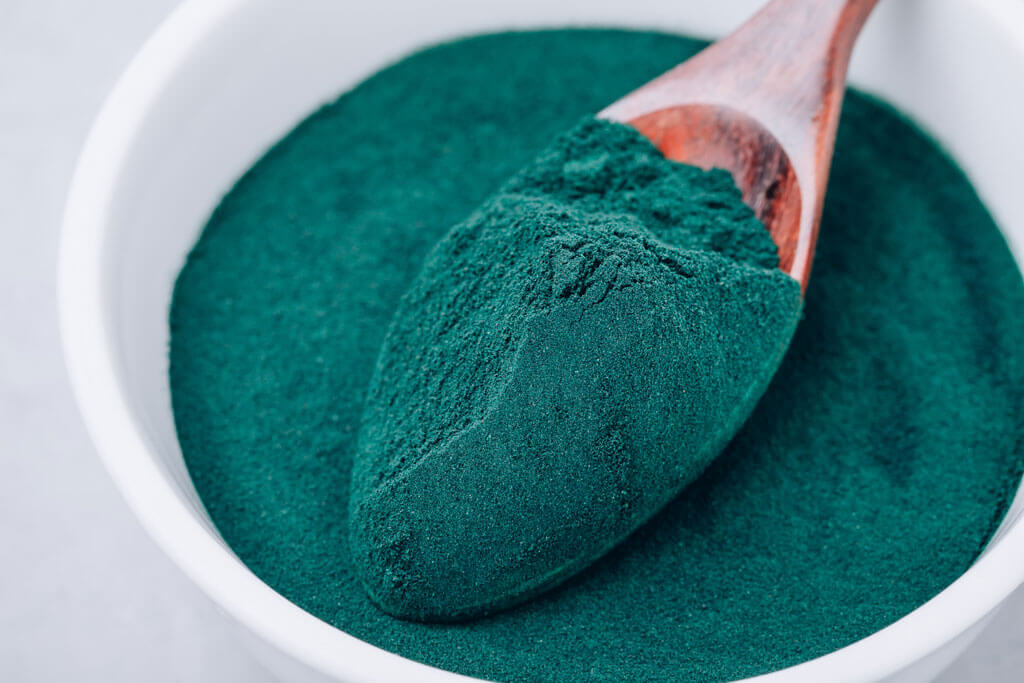
Spirulina extract comes from Arthrospira platensis, a type of blue-green algae that grows in mineral-rich water. It has been consumed for centuries and is often considered one of the most nutrient-dense foods on the planet.
Spirulina naturally produces a pigment called phycocyanin, which gives it its striking blue color. This pigment can be extracted and used to color foods like:
- Candy
- Beverages
- Frozen desserts
- Yogurts
- Snack foods
Previously, spirulina-based colors were approved only for limited uses (like certain candies). The FDA’s new ruling expands its use across a much wider range of food products.
The Nutritional Side of Spirulina
Beyond its coloring ability, spirulina itself contains an impressive nutritional profile:
- High-quality plant protein
- Iron and trace minerals
- Antioxidants including phycocyanin
- Compounds linked to immune support
Like beetroot pigments, the amounts used in food coloring are small. But the fact that these colors come from real food sources rather than petroleum chemistry represents a significant shift.
Why Natural Food Colors Matter for Clean Labels
Color is one of the first things people notice about food. It signals freshness, flavor, and appeal.
But consumers today are increasingly aware that bright colors in foods often come from synthetic ingredients.
That’s why natural pigments from plants, algae, fruits, and vegetables are gaining popularity. They help brands create visually appealing foods without relying on artificial dyes.
The FDA’s recent approvals signal that regulators are responding to this demand.
And for brands focused on ingredient transparency, this opens the door to cleaner formulations.
Where MariGold Uses Natural Beetroot Color
At MariGold, we’ve always believed that ingredient transparency matters.
That’s why our Strawberry Sundae Whey Isolate and Strawberry Sundae Collagen Peptides use beetroot powder for their natural pink color instead of synthetic dyes.
The result?
A vibrant strawberry color that comes from a real vegetable rather than artificial coloring agents.
Beyond the color itself, MariGold products are formulated with:
- Grass-fed whey isolate for clean, highly bioavailable protein
- Grass-fed collagen peptides for skin, joint, and gut support
- Non-GMO ingredients and simple formulations
It’s part of a broader commitment to keeping unnecessary additives out of everyday nutrition products.
A Small Step Toward Better Ingredients
The FDA’s approval of beetroot red and expanded spirulina colors may seem like a minor regulatory update, but it reflects a larger shift happening across the food industry.
Consumers are asking more questions about what goes into their food—and companies are responding by moving toward ingredients that come from real plants rather than synthetic chemistry.
Natural colors won’t instantly replace every artificial dye on store shelves. But with each regulatory change and formulation shift, the food supply moves a little closer to ingredients people recognize and trust.
And sometimes, even something as simple as the color of your food can tell you a lot about what’s inside.
Strawberry Flavor, Naturally Colored
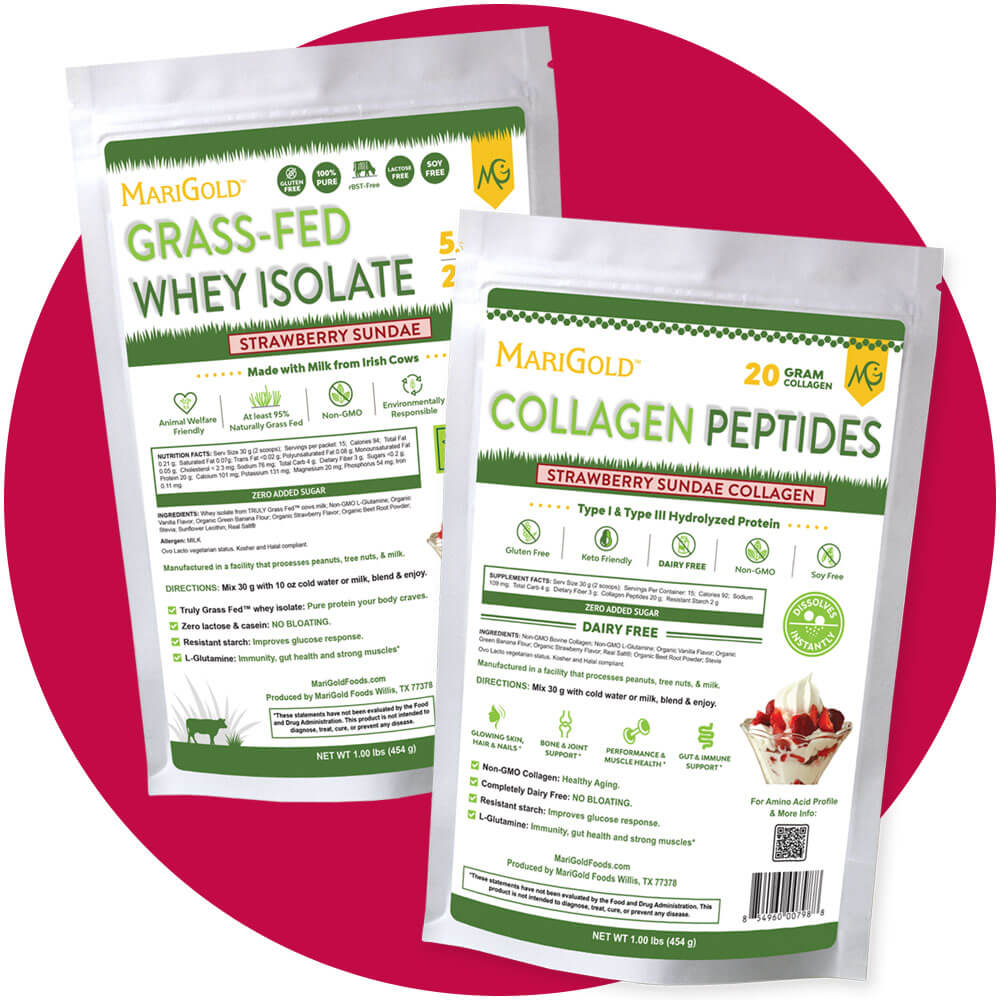
That vibrant strawberry color? It comes from beetroot powder—not artificial dyes.
Our Strawberry Sundae Whey Isolate and Strawberry Sundae Collagen Peptides deliver the nostalgic flavor of a classic strawberry treat while staying true to MariGold’s commitment to clean ingredients. Instead of synthetic colors, we use naturally derived beetroot powder to create that signature pink hue.
Along with naturally colored ingredients, you’ll get the benefits of grass-fed whey isolate or collagen peptides, providing high-quality protein that supports muscle recovery, skin, joints, and everyday wellness.
It’s a simple example of what cleaner nutrition can look like: real ingredients, thoughtful formulation, and nothing unnecessary.