


Protein coffee is exactly what it sounds like: coffee combined with a meaningful source of protein. That protein may come from whey, milk protein, collagen peptides, plant protein, or a blend.
You can make protein coffee at home by adding protein powder to coffee, or buy a product formulated specifically as a protein coffee. It can be served hot or iced, sweetened or unsweetened, and made with anything from espresso to instant coffee.
What makes protein coffee appealing is simple: it combines something many people already drink every day with an easy way to increase protein intake.
But not all protein coffees are nutritionally equivalent. The amount and type of protein, caffeine content, sweeteners, added sugar, and overall ingredient quality can vary considerably from one product to another.
What Is Protein Coffee?
Protein coffee is coffee with added protein.
Some people call homemade versions “proffee,” particularly when protein shakes or protein powder are mixed with iced coffee. Commercial protein coffees may instead be formulated from the beginning to provide both coffee and a specific amount of protein in one drink.
Common protein sources include:
- Whey protein or whey protein isolate
- Milk protein
- Collagen peptides
- Casein
- Soy protein
- Pea protein
- Plant-protein blends
The protein source matters because different proteins have different amino-acid profiles and nutritional properties.
A coffee containing collagen, for example, isn’t nutritionally identical to one made with whey protein isolate.
How Does Protein Coffee Work?
There isn’t a special reaction that occurs when protein and coffee are combined. Protein coffee simply provides caffeine from coffee and dietary protein in the same beverage.
The protein is digested into amino acids just as it would be if consumed in a shake, yogurt, meal, or other protein-containing food.
For many people, the real advantage is convenience.
If you’re already drinking coffee in the morning, adding protein can be an easy way to increase your total protein intake without having to prepare another meal or separate protein shake.
How useful that is depends on the rest of your diet and how much protein the drink actually contains.
What Are the Benefits of Protein Coffee?
1. It Can Make It Easier to Get More Protein
One of protein coffee’s biggest advantages is simply making protein more convenient.
The Recommended Dietary Allowance for protein for healthy adults is based on 0.8 grams per kilogram of body weight per day, although individual needs vary depending on factors such as age, activity level and health goals.
Someone who tends to eat a relatively low-protein breakfast—or routinely skips breakfast—may find that a protein-containing coffee makes it easier to add meaningful protein earlier in the day.
2. Protein Can Help You Feel Fuller
Protein generally has a stronger effect on satiety than carbohydrate or fat, which is one reason higher-protein meals and snacks can help people feel satisfied for longer.
That doesn’t make protein coffee a weight-loss drink by itself. But replacing a low-protein coffee beverage with one containing a meaningful amount of protein may make a morning drink more substantial.
3. Protein Supports Muscle Maintenance and Recovery
Dietary protein provides amino acids needed to maintain and repair body tissues, including muscle.
This becomes particularly relevant for active adults and for people who are trying to preserve muscle as they age.
The type of protein matters here. High-quality complete proteins such as whey provide all of the essential amino acids, including relatively high amounts of leucine, an amino acid involved in stimulating muscle protein synthesis.
4. It Can Be Convenient on Busy Mornings
Protein coffee appeals to people who don’t necessarily want another shake, bowl, bar or meal first thing in the morning.
Combining coffee and protein into one drink can make a morning routine simpler, especially for people who already consider coffee non-negotiable.
Is Protein Coffee Healthy?
Protein coffee can be a healthy choice, but the words “protein coffee” alone don’t tell you much about its nutritional quality.
A product containing coffee and 20 grams of protein with relatively little added sugar is very different from a sugary coffee drink that happens to contain a few grams of protein.
When comparing products, look at the full nutrition label and ingredient list rather than focusing only on the word “protein.”
Important factors include:
- Amount of protein
- Type of protein
- Caffeine content
- Added sugar
- Sweeteners
- Calories
- Other ingredients
- Serving size
Your own caffeine tolerance matters too.
For most healthy adults, the FDA cites 400 milligrams of caffeine per day as an amount not generally associated with negative effects, although sensitivity varies significantly from person to person.
How Much Protein Should Protein Coffee Have?
There isn’t one official amount that a protein coffee must contain.
A better question is whether the drink provides a meaningful amount of protein relative to what you’re trying to accomplish.
For example:
A coffee containing 3 or 4 grams of protein technically contains protein, but it isn’t nutritionally equivalent to a drink containing 15, 20 or 25 grams.
Think of protein coffee as part of your total daily protein intake rather than trying to find one magic number per cup.
If you’re using it primarily as flavored coffee, a smaller amount may be perfectly reasonable.
If you’re using it as a substantial protein source, the protein content becomes much more important.
What Kind of Protein Works Best in Coffee?
There isn’t one best protein for everyone. Different protein sources serve different purposes.
1. Whey Protein
Whey is a complete dairy protein, meaning it contains all nine essential amino acids.
It’s particularly rich in branched-chain amino acids, including leucine, which is one reason whey is widely used for muscle maintenance and exercise recovery.
Whey protein isolate is a more highly filtered form of whey. During processing, much of the lactose, fat and carbohydrate is removed, leaving a product with a higher percentage of protein than whey concentrate.
Because of that extra filtration, whey isolate is often better tolerated by people who are lactose intolerant. Some whey isolates are specifically formulated and tested to be lactose-free — including the whey isolate used in MariGold products.
For someone who wants their coffee to provide a high-quality complete protein source while avoiding lactose, whey isolate can be a particularly strong option.
2. Collagen Peptides
Collagen peptides also provide protein, but they have a very different amino-acid profile.
Collagen is rich in amino acids such as glycine and proline but lacks tryptophan, which means it is considered an incomplete protein rather than a substitute for complete dietary proteins such as whey, dairy, eggs, meat or soy.
That doesn’t mean collagen isn’t useful. It simply means collagen coffee and whey protein coffee shouldn’t automatically be treated as nutritionally interchangeable.
3. Casein and Milk Protein
Milk proteins may include both whey and casein.
Casein digests more slowly than whey and can create a thicker texture in beverages. Milk-protein blends can also provide all of the essential amino acids.
Unlike a lactose-free whey isolate, however, casein and less-filtered milk-protein powders may still contain lactose. For people who are lactose intolerant, that can sometimes contribute to bloating, gas or digestive discomfort.
4. Plant Protein
Plant-based protein coffees may use soy, pea, rice or blends of several plant proteins.
Soy is a complete protein. Other plant proteins are often blended together to improve their overall essential amino-acid profile.
Plant proteins can behave differently in coffee when it comes to flavor, thickness and solubility, so formulation matters.
Whey Protein Coffee vs. Collagen Coffee: What’s the Difference?
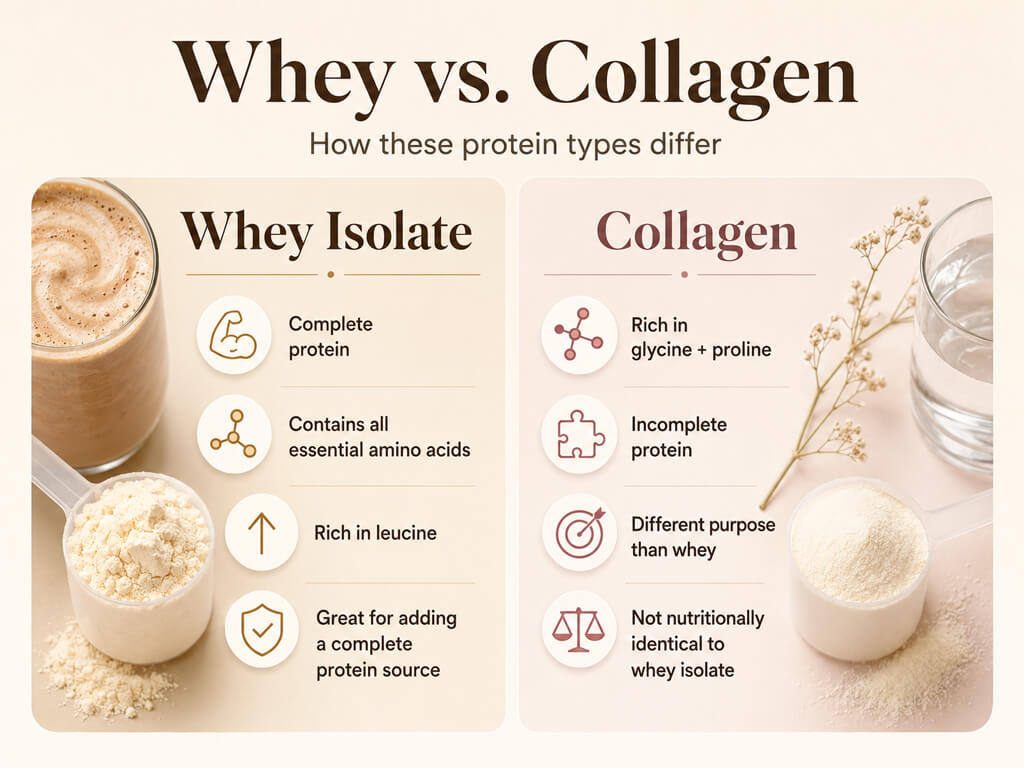
The biggest difference is the protein itself.
| Protein Characteristics | Whey Protein Isolate | Collagen Peptides |
|---|---|---|
| Complete protein | Yes | No |
| Contains all essential amino acids | Yes | No |
| Naturally rich in leucine | Yes | No |
| Rich in glycine and proline | Lower amounts | Yes |
| Supports muscle protein synthesis | Strongly | More limited |
| Works well in coffee | Yes | Yes |
If your primary goal is adding a complete protein to your diet, whey has an advantage.
If you’re specifically looking for collagen peptides, collagen coffee can provide an easy way to consume them.
Some people may also use both at different times depending on their dietary goals.
Can You Put Protein Powder in Hot Coffee?
Yes. Protein powder can be added to hot coffee.
One common concern is that hot coffee will “destroy” the protein. That’s not an accurate description of what happens.
Heat can denature protein, meaning it changes the protein’s three-dimensional structure. But denaturation does not mean the protein suddenly loses all of its amino acids or nutritional value.
In fact, cooking and heat processing routinely denature proteins in everyday foods such as eggs, meat and dairy. Moderate heating can sometimes even improve protein digestibility by unfolding the protein structure and making it more accessible to digestive enzymes.
Very high temperatures combined with prolonged heating can affect protein quality and digestibility, but that is a much different scenario from stirring protein into a cup of coffee.
For most people, the bigger issue with hot coffee isn’t nutrition.
It’s texture.
Why Does Protein Powder Sometimes Clump in Coffee?
Whey proteins are sensitive to heat, and dumping dry protein powder directly into very hot liquid can encourage the proteins to aggregate, leaving unpleasant lumps.
A few techniques can help:
- Mix the powder with a small amount of cool or room-temperature liquid first.
- Use a handheld frother or blender.
- Add coffee gradually to the protein mixture.
- Let extremely hot coffee cool briefly before mixing.
- Use a product specifically formulated to dissolve well in coffee.
Commercial protein coffees may have an advantage here because the formulation can be designed specifically for hot or cold beverages rather than requiring consumers to experiment with ordinary protein powder.
Can You Drink Protein Coffee Every Day?
For many healthy adults, protein coffee can fit into a normal daily diet.
The important thing is to remember that you’re consuming both protein and caffeine.
If you’re drinking several servings per day, pay attention to how much caffeine you’re accumulating from coffee, tea, energy drinks, supplements and other foods or beverages.
The FDA notes that caffeine sensitivity varies widely, and certain medications, medical conditions, pregnancy and other circumstances may change how much caffeine is appropriate for an individual.
Your total protein intake matters as well. Protein coffee should complement an overall balanced diet rather than become your only significant source of protein.
Is Protein Coffee a Good Breakfast?
Protein coffee can be part of a good breakfast, but protein alone doesn’t necessarily turn coffee into a complete meal.
Consider what else the drink provides.
Coffee plus protein powder may give you caffeine and protein but very little:
- Fiber
- Carbohydrate
- Fat
- Vitamins and minerals
- Total calories
Someone might pair protein coffee with fruit, oatmeal, eggs, yogurt, toast or another food to create a more complete breakfast.
On the other hand, a more substantial protein coffee containing milk or other ingredients may provide more nutrition than a simple black coffee mixed with protein.
So rather than asking whether protein coffee “counts” as breakfast, it may be more useful to ask:
Does this particular protein coffee provide enough nutrition for what I need from breakfast?
Is Protein Coffee the Same as a Protein Shake?
Not necessarily.
A protein shake is usually built around protein as the primary ingredient. It may also contain milk, fruit, nut butter, carbohydrates, fats, fiber or other ingredients.
Protein coffee is defined primarily by the combination of coffee + protein.
Some protein coffees may have a nutritional profile very similar to a protein shake.
Others are essentially coffee beverages with extra protein.
That difference is another reason to check the Nutrition Facts rather than relying on the product category alone.
What Should You Look for When Buying Protein Coffee?
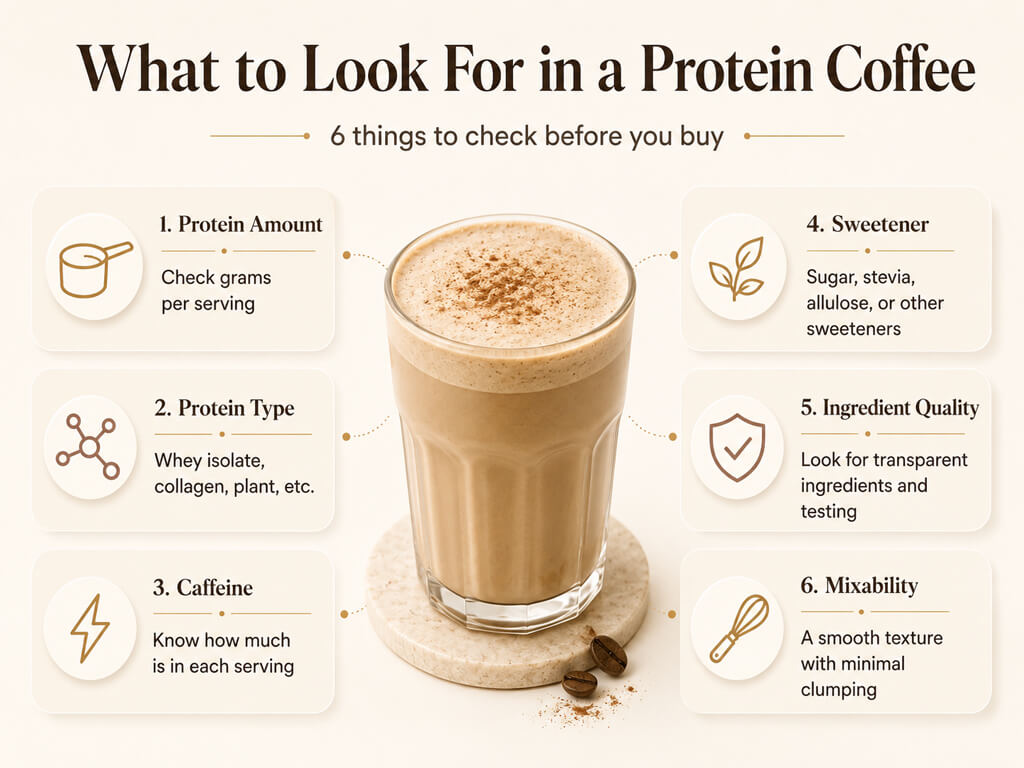
1. How Much Protein Does It Actually Have?
Don’t stop at the words “high protein” or “with protein.” Check the number of grams per serving.
2. What Type of Protein Is Being Used?
Whey, collagen and plant protein don’t have identical amino-acid profiles. Choose the protein source that makes sense for your goals.
3. How Much Caffeine Is in It?
This is especially important if protein coffee is only one of several caffeinated drinks you consume during the day.
4. How Much Added Sugar Does It Contain?
Some coffee beverages can contain significant amounts of added sugar. Look at the Nutrition Facts panel rather than assuming a protein-containing drink is automatically low in sugar.
5. What Sweeteners Are Used?
Protein coffees may use a variety of sweeteners, including sugar, stevia, monk fruit, allulose, erythritol or other sugar alcohols, and sucralose.
These sweeteners are not all the same. Allulose, for example, is a naturally occurring “rare sugar” found in small amounts in foods such as figs, raisins and wheat. Unlike traditional sugar, it is metabolized differently by the body and contributes very few calories. It is also chemically distinct from sugar alcohols such as erythritol and from high-intensity sweeteners such as sucralose.
Some protein coffees use stevia, while others use allulose or blends of sweeteners to achieve the desired taste and nutrition profile. Taste preferences and digestive tolerance vary, so it’s worth checking the ingredient list if you have sweeteners you particularly prefer or avoid.
6. Does It Mix Smoothly?
Texture matters.
Protein coffee shouldn’t require you to tolerate chalky powder, floating clumps or gritty residue just because it contains protein.
7. How Transparent Is the Company About Its Ingredients?
Ingredient sourcing, testing and manufacturing transparency can help consumers compare products beyond marketing claims.
Look for companies that clearly explain what is in the product, where important ingredients come from and whether they use meaningful third-party testing when making specific quality claims.
Who Might Like Protein Coffee?
Protein coffee may be especially convenient for:
- People who already drink coffee every morning
- Busy adults
- People trying to increase their daily protein intake
- Active adults
- People who don’t enjoy traditional protein shakes
- Adults looking for an easy way to add protein earlier in the day
- People who want a more substantial alternative to ordinary flavored coffee
It isn’t necessary for everyone, and it isn’t inherently superior to getting protein from food.
Its biggest advantage is often convenience.
What Matters Most in a Protein Coffee
Protein coffee combines two things many people already consume: coffee and protein.
The concept is simple, but the products themselves can be very different.
A good protein coffee should provide enough protein to match your goals, use a protein source you understand, contain an appropriate amount of caffeine, taste good and fit comfortably into the rest of your diet.
Whey protein coffee and collagen coffee can both have a place, but they aren’t nutritionally identical. Whey provides a complete protein with all of the essential amino acids, while collagen has a different amino-acid profile and serves a different nutritional purpose.
And despite a common myth, you don’t need to avoid putting protein in hot coffee because you’re afraid the heat will “destroy” it. The bigger challenge is finding a protein—and a formulation—that mixes smoothly and actually tastes good.
For people who already start their day with coffee, protein coffee can simply be an easy way to make that existing habit work a little harder.
Ready to Try Protein Coffee?
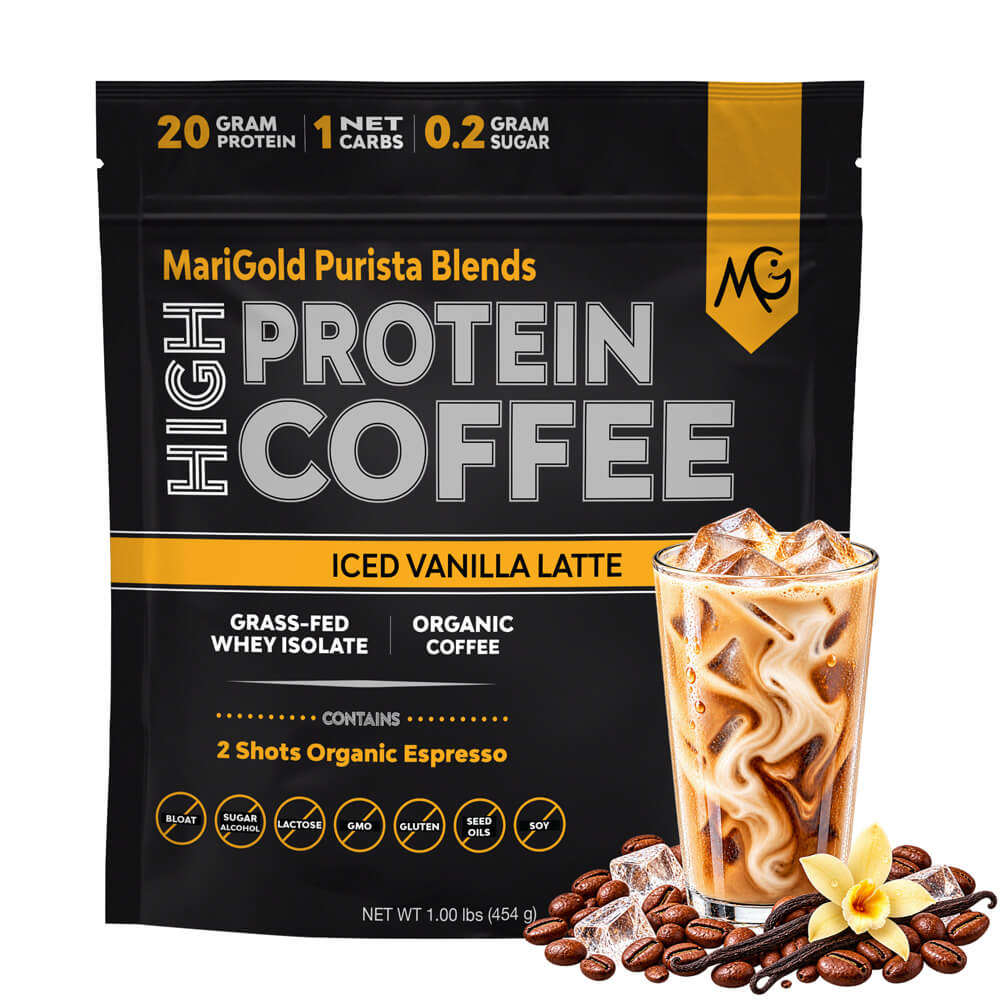
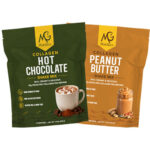
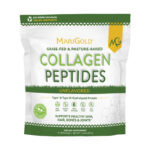
Whether you prefer whey isolate or collagen, MariGold Protein Coffees make it easy to add protein to your coffee routine without turning it into a complicated recipe.
Explore our protein coffee options and find the blend that fits your taste, protein goals, and morning routine.








 LABOR DAY SALE