


When you think about L-glutamine, muscle recovery might be the first thing that comes to mind. After all, this amino acid has been popular in the fitness community for years. But L-glutamine does much more than contribute to muscle tissue.
It’s involved in several important functions throughout the body, including intestinal health, immune cell activity, and the way your body processes nutrients.
So what exactly does L-glutamine do, which foods contain it, and can taking extra glutamine really improve your health?
Let’s take a closer look at the benefits of L-glutamine, what science actually supports, and how to get enough of this important amino acid through your everyday diet.
What Is L-Glutamine?
L-glutamine is one of the most abundant amino acids in the human body. Amino acids are the building blocks of proteins, which are essential for maintaining muscles, tissues, enzymes, and many other structures throughout the body.
Glutamine is considered a conditionally essential amino acid. Under normal circumstances, your body can produce enough of it to meet its needs. However, during certain periods of severe physical stress, such as major injury or critical illness, your body’s demand for glutamine may exceed its ability to produce it.
That’s when additional glutamine may become important under medical supervision.
For most healthy adults, however, the combination of glutamine produced naturally by the body and glutamine obtained through a balanced diet is generally sufficient.
What Does L-Glutamine Do for the Body?
Glutamine participates in many everyday biological processes. Its importance comes from the variety of ways cells use it, rather than from any one dramatic health benefit.
Some of its primary functions include:
- Protein metabolism: Glutamine contributes to the body’s supply of amino acids used to build and maintain proteins.
- Intestinal function: Cells lining the intestines use glutamine as an important nutrient.
- Immune cell activity: Certain immune cells use glutamine to support their normal metabolism and function.
- Nitrogen transport: Glutamine helps transport nitrogen between tissues and participates in nitrogen balance.
- Cellular metabolism: Glutamine contributes to processes involved in energy production and the synthesis of other important molecules.
These functions explain why glutamine is so important to normal health. But there’s a distinction worth understanding: just because the body uses glutamine doesn’t automatically mean taking extra glutamine will improve these functions in an otherwise healthy person.
1. L-Glutamine and Gut Health
One of the most interesting areas of glutamine research involves the digestive system.
The cells lining your small intestine, called enterocytes, use glutamine for several important metabolic processes. These cells help absorb nutrients while contributing to the protective barrier between the contents of your intestines and the rest of your body.
Glutamine also participates in processes associated with normal intestinal cell maintenance, repair, and barrier function.
Does L-Glutamine Support the Gut Lining?
Glutamine has an established role in intestinal cell metabolism. Laboratory and animal research has shown that glutamine availability can influence intestinal barrier function, cellular stress responses, and proteins involved in the connections between intestinal cells.
These findings have encouraged researchers to investigate whether glutamine supplementation could help people with certain gastrointestinal conditions.
However, results from human clinical studies have been mixed. Although some studies have reported improvements in certain measures of intestinal permeability, there isn’t sufficient evidence to conclude that glutamine supplements reliably restore intestinal barrier function in everyone.
Can L-Glutamine Heal Leaky Gut?
You may have heard that L-glutamine can heal a condition commonly referred to as “leaky gut.”
Intestinal permeability is a real physiological concept. The intestinal lining normally regulates which substances can pass through it, and changes in that barrier can occur in certain medical conditions.
However, “leaky gut syndrome” is often used as a broad wellness term, and its proposed causes and treatments aren’t always supported by established clinical evidence.
Although glutamine’s role in intestinal cells is well documented, there is not enough high-quality evidence to recommend glutamine supplements as a universal treatment for increased intestinal permeability or digestive symptoms.
If you’re experiencing persistent bloating, diarrhea, abdominal pain, or other digestive symptoms, it’s important to investigate the underlying cause rather than relying on supplements alone.
2. L-Glutamine and Immune System Function
Your immune system works around the clock to identify and respond to threats. To perform these functions, immune cells need a reliable supply of nutrients, including amino acids.
Glutamine is an important fuel and metabolic resource for several immune cell types, including lymphocytes and macrophages.
It participates in processes involved in immune cell activity, cell growth, and the production of molecules needed for normal immune responses.
Does More Glutamine Mean a Stronger Immune System?
Not necessarily.
While glutamine is essential for normal immune cell function, consuming more than your body needs doesn’t automatically increase immunity or prevent infections.
Researchers have studied glutamine supplementation in circumstances where the body’s metabolic demands are unusually high, such as major injuries, severe burns, and critical illness.
Some clinical settings may benefit from carefully managed glutamine support, but results vary depending on the patient’s condition. Supplementation is not appropriate in every serious illness.
For healthy adults, there isn’t convincing evidence that routine glutamine supplementation prevents common illnesses or provides a meaningful immune-system boost.
3. L-Glutamine for Muscle Recovery and Exercise
Glutamine is particularly abundant in skeletal muscle, which helps explain why it has attracted so much attention in sports nutrition.
During prolonged exercise or other periods of physiological stress, glutamine levels can fluctuate as the body balances production and demand.
Since glutamine contributes to protein metabolism, researchers have investigated whether supplementation might help support athletic recovery.
Does L-Glutamine Help Build Muscle?
Although glutamine is involved in protein metabolism, studies haven’t consistently shown that adding glutamine supplements to an otherwise adequate diet increases muscle mass or strength in healthy adults.
Building and maintaining muscle depends on several factors, including progressive resistance training, adequate total protein intake, sufficient calories, and recovery.
Those fundamentals matter much more than adding a single amino acid supplement.
Can Glutamine Reduce Muscle Soreness?
Some smaller studies have explored whether glutamine supplementation can reduce soreness or improve recovery after demanding exercise.
Results have been inconsistent, and the evidence isn’t strong enough to guarantee a meaningful recovery benefit.
If your goal is to build strength or recover from workouts, start by ensuring you’re consuming enough total protein throughout the day.
High-quality protein sources, including whey isolate, provide multiple amino acids that contribute to normal muscle protein maintenance and recovery.
4. Foods with L-Glutamine: Where Can You Find It Naturally?
One of the easiest ways to support your body’s amino acid needs is through a varied, protein-rich diet.
L-glutamine occurs naturally in many animal and plant foods. You don’t need to follow a specialized eating plan to include it in your meals.
Animal-Based Foods Containing Glutamine
Many protein-rich animal foods provide glutamine as part of their overall amino acid composition.
- Beef: Provides complete protein containing glutamine and other amino acids.
- Chicken and turkey: Convenient lean protein sources for everyday meals.
- Fish: Supplies protein and a variety of important nutrients.
- Eggs: Provide complete protein, including glutamine-containing proteins.
- Milk, yogurt, and cheese: Dairy proteins naturally contain glutamine.
Plant-Based Foods Containing Glutamine
You can also get glutamine from plant-based foods, particularly foods that provide meaningful amounts of protein.
- Tofu and soybeans: Plant-based protein sources with a broad amino acid profile.
- Beans and lentils: Offer protein, fiber, and naturally occurring glutamine.
- Nuts and seeds: Including almonds and peanuts, contribute protein and other nutrients.
- Oats and rice: Contain amino acids as part of their natural protein content.
- Vegetables: Foods such as cabbage and corn also contain glutamine, although typically in smaller total amounts than protein-rich foods.
Which Foods Have the Most L-Glutamine?
In general, protein-rich foods are useful sources of glutamine because glutamine is one of the amino acids found in dietary proteins.
However, precise glutamine amounts vary by food, serving size, processing, and how amino acid content is measured. Many food labels don’t report individual glutamine quantities.
Rather than trying to calculate every gram of glutamine you eat, focus on including a variety of protein sources throughout the day.
| Food Group | Examples | Easy Ways to Enjoy |
|---|---|---|
| Meat and poultry | Chicken, turkey, beef | Salads, soups, bowls, and main dishes |
| Fish | Salmon, tuna, other fish | Grilled, roasted, or added to salads |
| Dairy and eggs | Yogurt, cottage cheese, milk, eggs | Breakfasts, smoothies, and snacks |
| Legumes and soy | Lentils, beans, tofu | Soups, stir-fries, and grain bowls |
| Nuts and grains | Almonds, peanuts, oats | Snacks, oatmeal, and yogurt toppings |
5. Do You Need an L-Glutamine Supplement?
For most healthy adults, the answer is probably not.
Your body normally produces glutamine, and a balanced diet supplies additional amounts through protein-containing foods.
Supplementation may be considered in certain medical situations, but that doesn’t mean everyone will benefit from taking extra glutamine.
When Might Additional Glutamine Be Useful?
There are situations in which glutamine needs can change substantially, especially during severe physical stress or certain illnesses.
Research has examined glutamine in clinical nutrition, intestinal conditions, recovery from major injuries, and other medical circumstances.
One important distinction is that prescription L-glutamine is FDA-approved for reducing certain complications of sickle cell disease. This is a specific medical use and should not be confused with general wellness supplement claims.
For other purposes, evidence varies considerably, and decisions about supplementation should reflect the individual’s medical history and needs.
What About L-Glutamine Side Effects?
Glutamine supplements may cause side effects in some people, including nausea, abdominal discomfort, constipation, or headache.
Long-term supplementation has not been adequately studied for every population or dose. People with significant medical conditions, and those who are pregnant, breastfeeding, or taking medications, should consult a healthcare professional before using supplements.
Getting Enough Protein with MariGold
Whether you’re interested in maintaining muscle, meeting daily protein goals, or simply eating a more balanced diet, getting enough quality protein is a practical place to start.
At MariGold, we offer protein products designed to make that easier.
Our grass-fed whey isolate protein powders provide complete protein containing naturally occurring amino acids, including glutamine as part of the whey protein’s amino acid profile.
We also offer L-glutamine powder for customers specifically interested in this individual amino acid. As with any supplement, it’s important to evaluate whether additional glutamine is appropriate for your needs.
Explore MariGold’s Protein Options
Looking for a convenient way to add quality protein to your day? Discover our grass-fed whey isolate powders in delicious flavors, or explore our standalone L-glutamine powder.
Frequently Asked Questions About L-Glutamine
What does L-glutamine do for the body?
L-glutamine is an amino acid involved in protein metabolism, intestinal cell function, immune cell activity, and nitrogen transport. Your body normally produces glutamine and also obtains it through protein-containing foods.
What foods contain L-glutamine?
Glutamine is found in many protein-rich foods, including beef, chicken, fish, eggs, dairy products, soybeans, tofu, beans, lentils, nuts, and grains. Most healthy adults can obtain enough glutamine through normal dietary intake and the body’s own production.
Does L-glutamine help gut health?
Glutamine plays an important biological role in the cells lining the intestines. However, research hasn’t established that glutamine supplementation reliably treats digestive problems or improves gut health in everyone.
Can L-glutamine repair leaky gut?
Some research has investigated glutamine supplementation and intestinal permeability, but results are mixed. There isn’t sufficient evidence to describe glutamine as a proven general treatment for leaky gut or gastrointestinal disease.
Does L-glutamine help build muscle?
Glutamine contributes to normal protein metabolism, but research hasn’t consistently shown that glutamine supplements increase muscle growth or strength in healthy adults who already consume adequate protein.
Is L-glutamine good for the immune system?
Glutamine is an important nutrient for immune cells. However, this doesn’t mean extra supplementation will strengthen immunity in otherwise healthy individuals. Clinical benefits depend on the circumstances.
Can you get enough glutamine without supplements?
Yes. Most healthy adults produce enough glutamine naturally and also consume it through normal protein-rich foods. Additional supplementation is generally unnecessary unless recommended for a specific reason.
Is L-glutamine the same as glutamate?
No. Glutamine and glutamate are closely related but distinct amino acids. The body can convert one into the other through metabolic processes, and each has important biological functions.
The Bottom Line: Understanding the Benefits of L-Glutamine
L-glutamine is an important amino acid with roles in intestinal function, immune cell metabolism, and protein maintenance.
Its biological importance is well established. But the evidence for taking additional glutamine is much less straightforward, especially for otherwise healthy individuals.
For most people, the best starting point is a balanced diet containing adequate protein from a variety of foods.
And whether your favorite protein source is chicken, yogurt, beans, or a convenient whey isolate shake, you’re helping supply the amino acids your body needs for its normal functions.
Sources & Further Reading
- Cleveland Clinic: Glutamine — What It Is, Benefits, and Side Effects
- The Roles of Glutamine in the Intestine and Its Implication in Intestinal Diseases
- Systematic Review and Meta-Analysis of Glutamine Supplementation and Gut Permeability
- Cleveland Clinic: Amino Acids, Benefits, and Food Sources
Disclaimer: This article is for general educational purposes only and is not intended to diagnose, treat, cure, or prevent any disease. Research discussed here does not establish the effectiveness of MariGold products for treating medical conditions. Consult a qualified healthcare professional before starting supplements for a specific health concern.
Treat your gut well with MariGold

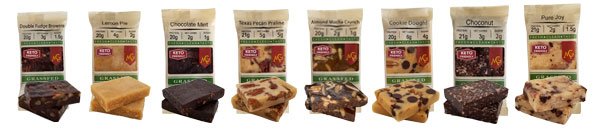
Did you know that MariGold Protein Bars have gut-healthy ingredients in them? Each bar has 4g of L-Glutamine in them that can help with healing a leaky gut, and help protect the gut barrier function.
Not only that, but they have only REAL FOOD premium ingredients in them. Our very popular Lectin Free collection has fiber in the form of Chicory Root Fiber as well. In addition to Lectin Free, we also have collections tailored specifically to Low FODMAP and Keto Friendly diets.

MariGold Foods L-Glutamine Powder is non-GMO Project Verified to guarantee no GMO’s were used in the production of the glutamine powder. The amino acids are made with advanced fermentation and purification technology to produce the highest quality Glutamine on the market.
L-Glutamine plays a pivotal role in gut health, immune function, energy metabolism, and detoxification.*
In addition to our premium-quality L-Glutamine powder that is now available on its own, we also include it in many of our other MariGold products! So, there’s more than one way to enjoy the benefits of L-Glutamine here at MariGold!
Our Protein Bars contain L-Glutamine along with other healthy and delicious ingredients like organic dark chocolate, pecans, cashews, organic grass-fed ghee, organic coconut oil and much more.
You can also find L-Glutamine in our flavored Grass-Fed Whey Isolate Protein Powders (Rich Chocolate Malt & Creamy Vanilla – with more flavors coming soon!).







Thanks for the very informative article!
Glad to help!